
Obesity and metabolic disorders are projected to affect an increasing proportion of the global population by 2026, highlighting the urgent need for effective prevention and management strategies. Current scientific evidence consistently demonstrates that dietary choices play a pivotal role in supporting fat loss and overall metabolic health. The concept of “fat burning foods” is grounded in peer-reviewed research, emphasizing foods that can support energy expenditure and satiety as part of a comprehensive approach. In this article, we examine 100 fat burning foods shown in clinical studies to aid sustainable fat loss, exploring their mechanisms and practical ways to include them in daily diets for lasting results.
Understanding Fat Burning Foods: Mechanisms and Evidence
The concept of 100 fat burning foods is anchored in scientific literature that explores how specific foods influence metabolic processes and energy balance. Understanding these mechanisms is essential for distinguishing evidence-based dietary strategies from popular myths.
The Science Behind Fat Burning Foods
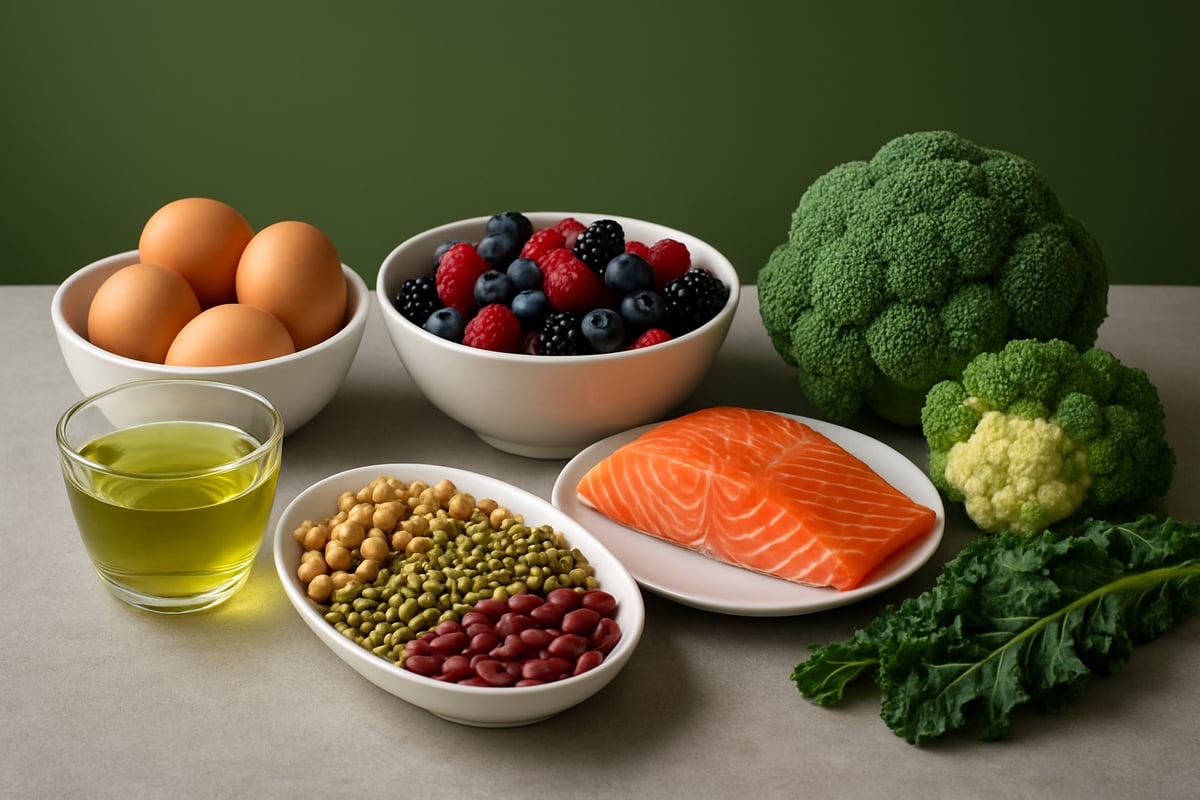
Fat burning foods are defined as those that, through peer-reviewed evidence, promote increased thermogenesis, enhance satiety, or elevate nutrient-induced energy expenditure. Mechanistically, these foods stimulate processes like thermogenesis, which refers to the body’s production of heat following food intake, thereby raising calorie expenditure.
Key mechanisms include the thermic effect of protein, where protein-rich foods increase postprandial energy expenditure, and the impact of dietary fiber on satiety and gut hormone modulation. Recent meta-analyses, such as the Effects of Varying Protein Amounts on Diet-Induced Thermogenesis, highlight how higher-protein foods can significantly influence energy expenditure. Including 100 fat burning foods in a diet may thus support metabolic health via these established pathways.
Criteria for Selection: Evidence-Based Approach
For inclusion in the category of 100 fat burning foods, each food must be validated by peer-reviewed human studies demonstrating safety and reproducible metabolic effects. We exclude foods supported only by anecdotal reports, animal studies, or non-validated claims, ensuring a rigorous, science-driven approach.
Selection criteria are aligned with guidelines from the World Health Organization, National Institutes of Health, and major nutrition societies. This ensures that only foods with clinically meaningful and safe fat-burning potential are recommended within the framework of 100 fat burning foods.
Limitations and Context
Despite promising evidence, research on 100 fat burning foods is subject to limitations. Individual responses vary due to genetics, lifestyle, and existing metabolic health. Additionally, many studies are confounded by factors such as overall dietary patterns, physical activity, and adherence.
It is important to emphasize that no single food, regardless of its thermogenic properties, leads to substantial fat loss in the absence of an overall energy deficit. The term “fat burning” in 100 fat burning foods refers to supportive mechanisms that complement, rather than replace, primary weight management strategies.
Practical Application in Dietary Patterns
Integrating 100 fat burning foods into daily meals requires careful consideration of cultural preferences, dietary restrictions, and evidence-based portion sizes. Clinical recommendations advocate for diverse preparation methods, such as steaming, grilling, or fermenting, to preserve nutrient integrity.
Portion control and frequency should be individualized, guided by professional dietary advice and ongoing monitoring. Ultimately, the role of 100 fat burning foods is to support a comprehensive, personalized nutrition plan that promotes sustainable metabolic health outcomes.
10 Essential 100 Fat Burning Foods to Try in 2026
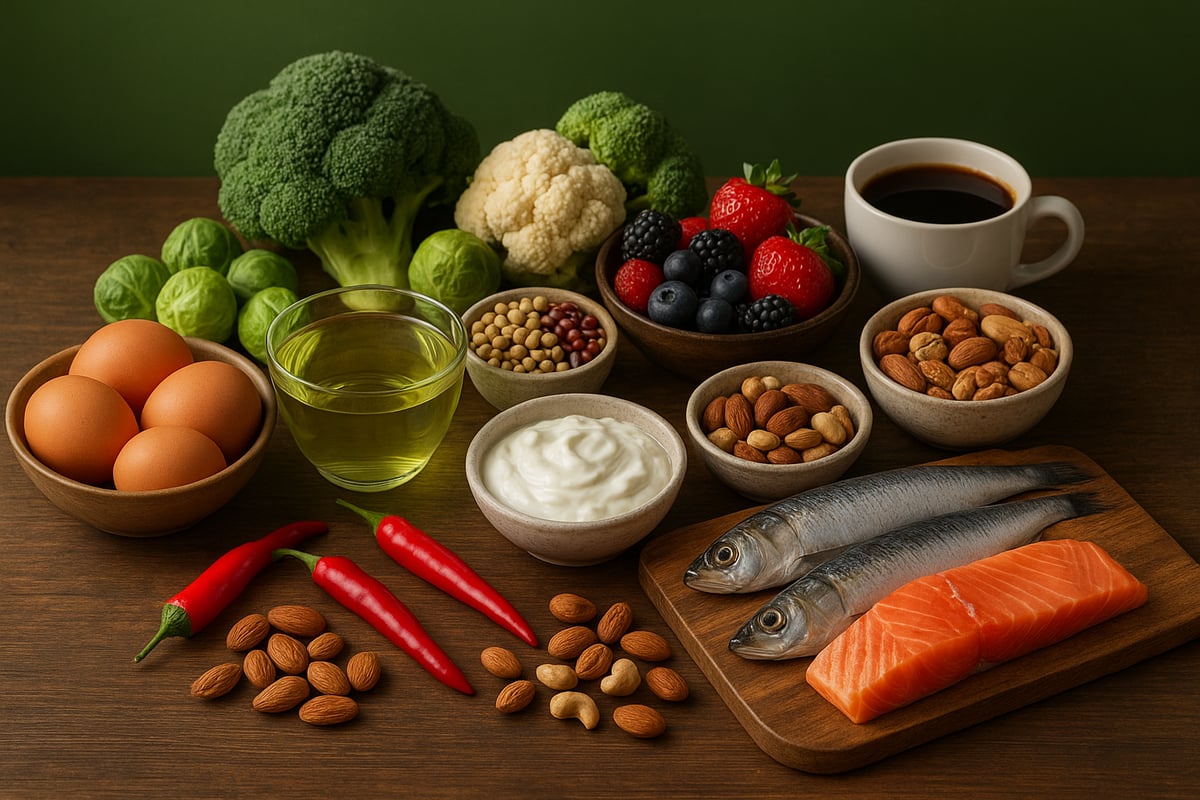
Identifying the most effective foods among the 100 fat burning foods is crucial for evidence-based dietary planning. Each food below has been selected based on peer-reviewed human studies, safety, and replicable metabolic effects. For readers seeking further details on metabolism-supportive foods, we recommend Foods That Help Metabolism for additional scientific context.
1. Eggs
Eggs are a staple among the 100 fat burning foods due to their high protein content and pronounced thermic effect. Clinical trials demonstrate that egg-based breakfasts increase satiety and decrease subsequent calorie intake compared to carbohydrate-rich meals. This effect is attributed to the protein-induced thermogenesis and favorable modulation of appetite hormones.
Research published in PubMed-indexed journals indicates that regular egg consumption can support improvements in body composition and resting metabolic rate. Current evidence also clarifies that, for most healthy adults, dietary cholesterol from eggs does not significantly impact plasma cholesterol levels.
For maximal benefit, eggs should be prepared using methods that preserve protein integrity, such as boiling or poaching, and without excessive added fats. Including eggs in the 100 fat burning foods list provides a versatile, nutrient-dense option suitable for diverse dietary patterns.
2. Green Tea
Green tea is widely recognized among the 100 fat burning foods for its catechins and caffeine content, both of which enhance energy expenditure and fat oxidation. Meta-analyses confirm that green tea extract supplementation modestly increases thermogenesis and supports reductions in body fat, particularly when combined with healthy lifestyle interventions.
The optimal dosage is typically 2-3 cups daily, providing a safe range for most adults. Preparation should avoid high-sugar additives to maximize metabolic benefits. While evidence is most robust in Asian populations, green tea remains a safe adjunct for weight management across diverse groups.
Safety profiles are favorable, though individuals with caffeine sensitivity should monitor intake. The inclusion of green tea in the 100 fat burning foods list reflects its evidence-based role in supporting metabolic health.
3. Greek Yogurt
Greek yogurt stands out in the 100 fat burning foods due to its high protein and calcium content. Randomized controlled trials have shown that incorporating Greek yogurt into daily meals can promote greater fat mass reduction and enhance satiety compared to lower-protein dairy options.
Additionally, the probiotic strains found in many Greek yogurts contribute to improved gut microbiota composition, which is linked to better metabolic health outcomes. For those with lactose intolerance, lactose-free or plant-based alternatives fortified with probiotics and calcium are recommended.
To maximize benefits, Greek yogurt should be plain and unsweetened, serving as a base for berries or nuts. Integrating Greek yogurt into the 100 fat burning foods framework supports both metabolic and digestive health.
4. Chili Peppers
Chili peppers are included in the 100 fat burning foods for their capsaicin content, which prompts a thermogenic response. Systematic reviews indicate that capsaicin increases energy expenditure and suppresses appetite by modulating satiety signals, leading to modest reductions in caloric intake.
Clinical evidence suggests that regular, moderate consumption—approximately 1-2 grams of chili pepper or its extract daily—is safe for most adults and can contribute to fat metabolism. Tolerance varies, so individuals should start with small amounts.
Chili peppers can be incorporated into a variety of cultural dishes, enhancing both flavor and metabolic benefits. Their presence in the 100 fat burning foods list is well-supported by human trials and safety profiles.
5. Oily Fish (e.g., Salmon, Mackerel, Sardines)
Oily fish are prominent in the 100 fat burning foods category, primarily due to their rich omega-3 fatty acid content. Clinical studies have demonstrated that regular consumption of oily fish is associated with reduced visceral fat and improved metabolic markers.
Omega-3s also possess anti-inflammatory properties, which are beneficial for cardiovascular health. Current guidelines recommend 2-3 servings of oily fish per week, balancing the benefits with consideration for mercury content, particularly in vulnerable populations.
Preparation methods such as baking or grilling are preferred to preserve nutrient quality. Oily fish provide a sustainable, evidence-based option within the 100 fat burning foods for those seeking to optimize fat metabolism.
6. Legumes (e.g., Lentils, Chickpeas, Beans)
Legumes are essential members of the 100 fat burning foods list, valued for their high fiber and protein content. Meta-analyses reveal that regular legume intake enhances satiety, supports glycemic control, and contributes to sustained weight management.
Their low glycemic index and fiber content slow digestion, prolong fullness, and stabilize blood glucose levels. To maximize nutrient absorption, legumes should be soaked and cooked thoroughly.
Incorporating legumes into daily meals aligns with plant-forward dietary patterns and supports the broader goals of the 100 fat burning foods approach for effective, sustainable fat loss.
7. Cruciferous Vegetables (e.g., Broccoli, Cauliflower, Brussels Sprouts)
Cruciferous vegetables are notable in the 100 fat burning foods for their fiber, phytochemical, and thermogenic properties. Epidemiological studies have linked higher intake to healthier body weight and improved fat distribution.
These vegetables are rich in glucosinolates and antioxidants, which may further support metabolic pathways. Steaming is the preferred cooking method to preserve bioactive compounds. It is important to note that individuals with thyroid conditions should moderate intake due to possible goitrogenic effects.
Regular inclusion of cruciferous vegetables in the 100 fat burning foods list is supported by both clinical and population-based evidence.
8. Berries (e.g., Blueberries, Raspberries, Strawberries)
Berries are a valuable component of the 100 fat burning foods, offering polyphenols, fiber, and antioxidant effects. Clinical trials have demonstrated their positive impact on adiposity and metabolic health markers, including insulin sensitivity.
Portion guidance suggests 1 cup of fresh or frozen berries per serving, with attention to total sugar content. Berries are highly seasonal but can be purchased frozen to maintain nutrient density year-round.
Their inclusion in the 100 fat burning foods list provides a nutrient-rich, accessible option for supporting fat loss and metabolic health.
9. Nuts (e.g., Almonds, Walnuts, Pistachios)
Nuts are consistently featured in the 100 fat burning foods due to their satiety-promoting unsaturated fats and thermic effect. Prospective cohort studies indicate that regular nut consumers have better weight maintenance and reduced risk of obesity.
Given their caloric density, a portion of 28 grams (about a small handful) is recommended. Allergies should be considered, and seeds can serve as substitutes when necessary.
Nuts offer a convenient, evidence-based snack option within the 100 fat burning foods for individuals aiming to manage weight effectively.
10. Coffee
Coffee, as part of the 100 fat burning foods, plays a significant role in metabolism and fat oxidation due to its caffeine content. Randomized controlled trials have shown that moderate coffee intake increases energy expenditure and supports fat breakdown.
Safe intake levels are generally up to 400 mg of caffeine per day for most adults, equivalent to about 3-4 cups of brewed coffee. It is important to avoid high-calorie additives, as these can counteract metabolic benefits.
Coffee’s inclusion in the 100 fat burning foods is supported by robust clinical evidence, but intake should be individualized based on tolerance and medical history.
Integrating Fat Burning Foods into a Sustainable Diet
Developing a sustainable approach to nutrition is essential for lasting results in weight management. Integrating 100 fat burning foods into daily routines requires careful planning, portion control, and adaptation to individual needs. Evidence highlights the importance of balanced dietary patterns rather than focusing exclusively on single foods.

Evidence-Based Meal Planning Strategies
Effective meal planning is crucial for maximizing the benefits of 100 fat burning foods. Clinical guidelines recommend structuring meals to promote satiety, regulate blood glucose, and support metabolic rate. Combining high-protein foods, fiber-rich vegetables, and healthy fats can yield synergistic effects on energy expenditure.
For instance, eggs paired with cruciferous vegetables at breakfast support satiety, while Greek yogurt and berries serve as nutrient-dense snacks. Incorporating Best Snacks for Weight Loss can further diversify options and enhance adherence to evidence-based patterns.
When building meal plans, we should reference NHS and WHO recommendations to ensure nutritional adequacy. Rotating protein sources and including a variety of 100 fat burning foods helps prevent monotony and supports long-term success.
Portion Control and Frequency
Portion control remains fundamental when integrating 100 fat burning foods. Studies indicate that optimal serving sizes, such as 30 grams of nuts or 150 grams of oily fish, contribute to satiety without excess calorie intake. Adjusting meal frequency based on individual needs, such as three balanced meals with one or two snacks, can stabilize energy levels and metabolism.
A sample meal structure might include:
- Breakfast: Scrambled eggs with spinach
- Snack: Greek yogurt with berries
- Lunch: Lentil salad with chili peppers
- Dinner: Grilled salmon with broccoli
Monitoring portions ensures that the inclusion of 100 fat burning foods aligns with overall energy balance and weight management objectives.
Cultural and Individual Adaptations
Cultural preferences and dietary restrictions play a significant role in integrating 100 fat burning foods. Plant-based diets can emphasize legumes, cruciferous vegetables, and nuts, while lactose-free alternatives are available for Greek yogurt. We must consider food allergies, intolerances, and local food availability when crafting individualized plans.
For example, traditional Mediterranean diets naturally incorporate oily fish and legumes, while Asian cuisines often utilize green tea and cruciferous vegetables. Published case studies highlight that adapting 100 fat burning foods to local customs increases acceptability and sustainability.
Personalization ensures that dietary recommendations remain relevant, practical, and respectful of individual backgrounds.
Monitoring Progress and Adjusting Intake
Tracking intake and outcomes is necessary when adopting 100 fat burning foods. Evidence-based tools, such as validated food diaries and digital applications, facilitate monitoring of dietary patterns and weight changes. However, limitations exist, including self-reporting bias and app inaccuracies.
Periodic consultations with registered dietitians or healthcare professionals are advised, particularly when progress plateaus or health concerns arise. Adjusting food choices or portion sizes based on feedback ensures ongoing alignment with health goals.
Sustainable integration of 100 fat burning foods requires ongoing assessment, flexibility, and adherence to evidence-based guidelines.
Myths and Misconceptions About Fat Burning Foods
The concept of 100 fat burning foods has gained notable attention in recent years, often accompanied by widespread myths and misconceptions in popular media. Many claims about these foods are not supported by robust scientific evidence, which can lead to confusion and unrealistic expectations among individuals seeking effective weight management strategies.
Common Myths in Popular Media
A frequent myth is the existence of so-called “negative calorie” foods, which allegedly require more energy to digest than they provide. This idea is not supported by scientific studies, and no evidence confirms that any food in the 100 fat burning foods list can induce a negative energy balance solely through its consumption.
Another myth involves the portrayal of certain foods as “superfoods” capable of producing significant fat loss without considering overall dietary patterns. Popular media often exaggerates the benefits of single foods, neglecting the necessity of total energy balance and lifestyle factors. Supplements and over-the-counter fat burners are also commonly promoted, despite lacking validation from peer-reviewed human studies. It is crucial to recognize that effective weight management is multifactorial and cannot rely solely on individual foods.
Scientific Clarifications and Evidence Gaps
When examining the science behind 100 fat burning foods, it is important to distinguish between the thermogenic effect of certain foods and actual, clinically meaningful fat loss. For example, protein-rich foods may increase energy expenditure through the thermic effect, but the resulting increase is typically modest. Placebo effects and confounding variables, such as physical activity and sleep, can also influence outcomes.
Systematic reviews, such as the Energy Content and Composition of Meals and Their Effects on Diet-Induced Thermogenesis, indicate that while meal composition can affect thermogenesis, these changes are not sufficient on their own to achieve substantial fat reduction. Current research highlights the need for more well-designed clinical trials to determine the long-term impact of these foods within diverse populations.
Risks of Over-Reliance and Imbalanced Diets
Focusing exclusively on 100 fat burning foods may result in dietary imbalances or nutrient deficiencies. Restrictive eating patterns that emphasize a narrow range of foods can compromise essential nutrient intake, as documented in clinical case reports and position statements from leading nutrition societies.
Evidence consistently supports that a balanced diet, providing a variety of macro- and micronutrients, is superior to singling out individual foods for fat loss. Over-reliance on specific foods may also foster unhealthy relationships with eating and hinder sustainable weight management. It is important to approach these foods as supportive components within a comprehensive dietary pattern, rather than as primary solutions.
Recommendations from Leading Health Authorities
Major organizations such as the WHO, CDC, and international nutrition societies emphasize that 100 fat burning foods should be integrated as part of a holistic lifestyle approach. Comprehensive interventions, including regular physical activity, behavioral support, and individualized nutrition planning, are recommended for effective and safe fat loss.
Current guidelines advise against restrictive diets or dependence on single foods, highlighting the importance of overall energy balance and diverse food choices. For readers seeking evidence-based strategies, resources like Weight Management Tips for 2026 provide practical, sustainable approaches. Ultimately, lasting results are best achieved through informed choices and professional guidance.
Future Directions in Fat Burning Nutrition Research
The landscape of nutrition science is rapidly evolving, and the next decade will see significant advancements in our understanding of the mechanisms behind 100 fat burning foods. Researchers are focusing on novel dietary components, personalized nutrition, technology-enabled monitoring, and public health initiatives to support more effective and sustainable fat loss.
Emerging Foods and Bioactive Compounds
Recent clinical trials are exploring the metabolic effects of novel fibers, plant-derived polyphenols, and bioactive peptides as potential additions to the list of 100 fat burning foods. Evidence suggests that specific compounds, such as resistant starches and unique phytochemicals, can enhance fat oxidation and modulate energy expenditure. For instance, systematic reviews have highlighted the role of certain dietary factors in activating brown adipose tissue, which may promote thermogenesis and support fat loss. Readers can consult the Effects of Nutrition on Brown Adipose Tissue in Humans for a comprehensive overview of current findings in this area. While these results are promising, large-scale human studies remain necessary to confirm efficacy and safety.
Advances in Personalized Nutrition
Personalized nutrition is transforming how we approach the efficacy of 100 fat burning foods. Advances in genomics and metabolomics now allow for the identification of genetic and metabolic profiles that influence individual responses to specific foods. Clinical studies indicate that some individuals may experience greater thermogenic or satiety effects from certain dietary patterns, depending on their genetic makeup. This individualized approach aims to optimize dietary recommendations for fat loss by considering variability in metabolism and nutrient absorption. However, more research is needed to validate predictive algorithms and ensure equitable access to these technologies across diverse populations.
Technology and Dietary Monitoring
Digital tools for dietary tracking, metabolic monitoring, and feedback are becoming integral to the practical application of 100 fat burning foods. Wearable devices and smartphone applications can now assess real-time energy expenditure, food intake, and even physiological markers such as glucose or lipid levels. Evidence from systematic reviews suggests that these technologies can improve adherence to dietary interventions and facilitate self-monitoring. Despite these advantages, limitations exist regarding data accuracy, user engagement, and privacy. Continued refinement and validation of these platforms are essential to maximize their benefits for long-term fat loss and metabolic health.
Policy and Public Health Implications
Integrating evidence-based recommendations for 100 fat burning foods into national dietary guidelines has the potential to address population-level obesity and metabolic disorders. Policymakers are increasingly considering the inclusion of plant-based options and novel bioactives, as supported by recent reviews on Plant-Based Diets in the Reduction of Body Fat. Public health strategies should prioritize accessibility, cultural relevance, and clear communication to ensure these recommendations are practical and inclusive. Ongoing research, as outlined by agencies such as the NIH and WHO, will guide future updates to guidelines and inform targeted interventions for at-risk groups.
As we’ve explored, making smart, evidence-based food choices can play a powerful role in supporting your fat loss journey and overall metabolic health—especially as we look ahead to 2026’s new challenges and opportunities. If you’re ready to turn science into sustainable habits, why not take the next step with a structured approach rooted in clinical expertise? You deserve a strategy that’s tailored, practical, and guided by the latest research. To deepen your understanding and put these principles into action, discover a structured, evidence-based metabolic course designed to empower you on your path to lasting health.
