
Interest in structured, calorie-controlled eating has increased as more individuals seek effective strategies for weight management and disease prevention. Clinical guidelines consistently recommend 1200 calorie meal plans for adults with obesity or metabolic conditions, supporting their role in promoting healthy weight loss.
This article provides a comprehensive, evidence-based guide to 1200 calorie meal plans for 2026. We will examine the scientific rationale, discuss safety considerations, outline step-by-step planning, share meal examples, explore customization, and offer practical long-term tips.
Understanding the 1200 Calorie Meal Plan: Scientific Basis and Evidence
A 1200 calorie meal plan is a structured dietary approach that restricts daily energy intake to approximately 1200 kilocalories. This calorie level is commonly prescribed in clinical settings for individuals seeking weight reduction, particularly for those with obesity or metabolic diseases. According to guidelines from the NHS, CDC, and American Diabetes Association (ADA), 1200 calorie meal plans are considered a foundational strategy for initial weight management in adults with a BMI above clinical thresholds. These plans emphasize balanced nutrition, portion control, and evidence-based food choices. For practical examples and authoritative guidance, readers may consult the 1,200 Calorie Diet Menu from the National Heart, Lung, and Blood Institute. The structure of 1200 calorie meal plans is designed to support gradual, sustainable weight loss while minimizing health risks.

Definition and Overview of a 1200 Calorie Meal Plan
A 1200 calorie meal plan refers to a daily eating pattern where total energy intake is limited to 1200 kilocalories. This approach is frequently utilized in clinical practice for adults requiring significant calorie reduction due to obesity or metabolic syndrome. National and international health organizations, including the NHS and CDC, recommend 1200 calorie meal plans for short-term weight loss interventions in selected populations.
These plans typically feature three main meals and one or two small snacks. Each meal is carefully portioned to ensure that the aggregate caloric intake does not exceed the 1200 calorie threshold. By adhering to this structure, individuals can achieve a controlled energy deficit, which is the cornerstone of effective weight management. 1200 calorie meal plans are not suitable for everyone, but when medically indicated and properly supervised, they provide a clear, evidence-based framework for initiating weight loss.
Mechanisms of Calorie Restriction in Weight Loss
Calorie restriction operates on the principle of energy balance. When we consume fewer calories than our bodies expend, the resulting deficit prompts the body to utilize stored fat as an energy source, leading to weight loss. 1200 calorie meal plans are designed to create this deficit in a controlled and predictable manner.
Clinical studies demonstrate that a reduction to 1200 calories per day often results in a negative energy balance for most sedentary adults. As energy stores are mobilized, the rate of weight loss is influenced by factors such as metabolic adaptation, body composition, and adherence. Peer-reviewed meta-analyses confirm that calorie-controlled diets, including 1200 calorie meal plans, reliably induce weight loss when followed consistently.
Clinical Evidence and Outcomes
Systematic reviews and meta-analyses consistently report that 1200 calorie meal plans produce clinically significant weight loss in individuals with obesity and type 2 diabetes. Average weight loss ranges from 0.5 to 1 kilogram per week during the initial phase of dietary intervention. In studies with follow-up periods of three to six months, participants following 1200 calorie meal plans achieved greater weight reduction compared to less restrictive diets.
Outcomes also include improvements in glycemic control, lipid profiles, and blood pressure. However, evidence suggests that long-term maintenance of weight loss requires ongoing support and, in some cases, adjustments to caloric intake. The effectiveness of 1200 calorie meal plans is highest when combined with behavioral counseling and regular monitoring.
Safety and Suitability: Who Should and Should Not Use a 1200 Calorie Plan
Clinical guidelines specify that 1200 calorie meal plans are appropriate for adults with obesity or metabolic risk factors, provided there are no contraindications. These plans are not suitable for children, adolescents, pregnant or lactating women, or individuals with certain chronic illnesses such as eating disorders, advanced kidney disease, or frailty.
Before beginning a 1200 calorie meal plan, a comprehensive medical assessment is essential to identify any underlying conditions that may increase risk. Special populations, such as older adults or those taking specific medications, require individualized evaluation and potential adjustment of calorie targets. Adherence to official recommendations ensures the safe and effective use of 1200 calorie meal plans.
Nutritional Adequacy and Risks
The success of 1200 calorie meal plans depends on careful food selection to meet micronutrient and macronutrient needs. Diets at this caloric level can increase the risk of deficiencies in vitamins and minerals, including iron, calcium, vitamin D, and B vitamins, if not properly planned. Evidence from clinical trials highlights the importance of incorporating nutrient-dense foods such as lean proteins, whole grains, fruits, and vegetables.
Regular monitoring of nutritional status and, when necessary, supplementation are recommended to prevent adverse effects. Ultimately, well-structured 1200 calorie meal plans can be both effective and safe when guided by current clinical standards and individualized care.
Step-by-Step Blueprint: How to Start a 1200 Calorie Meal Plan Safely
Embarking on 1200 calorie meal plans requires careful preparation to support safe, effective weight management. We must follow a structured, evidence-based approach to maximize health outcomes and reduce risks. This blueprint details each step, emphasizing clinical guidance and best practices.

Step 1: Medical Assessment and Personalization
Before starting 1200 calorie meal plans, clinical guidelines recommend a comprehensive medical assessment. We must consult a qualified healthcare professional to evaluate our health status, screen for contraindications, and identify individual needs. This step is crucial, as calorie-restricted diets may not suit everyone.
Medical screening includes:
- Reviewing current medications
- Assessing for chronic diseases (e.g., diabetes, cardiovascular conditions)
- Evaluating nutritional status and lifestyle factors
Personalization ensures our plan aligns with medical history, metabolic needs, and personal goals. For those with complex health profiles, professional oversight is essential. For further details on the value of clinical supervision, see Medical support in weight loss.
Step 2: Setting Realistic Goals and Expectations
Effective 1200 calorie meal plans are grounded in evidence-based goal setting. Research indicates that aiming for gradual weight loss, typically 0.5 to 1 kg per week, improves sustainability and reduces health risks.
We must assess psychological readiness and commitment. Setting clear, achievable objectives enhances motivation and long-term adherence. Consider:
- Defining measurable targets (e.g., body weight, waist circumference)
- Establishing non-scale goals (e.g., improved energy, mobility)
- Planning regular check-ins to reassess progress
By managing expectations, we reduce the risk of frustration and support lasting change.
Step 3: Meal Planning Fundamentals
Structuring meals for satiety and nutritional adequacy is central to 1200 calorie meal plans. Current guidelines, such as the NHS Eatwell Guide, advise a balanced macronutrient distribution:
- Protein: 20–30% of total calories
- Carbohydrates: 40–50%
- Fats: 20–35%
Meals should include:
- Lean proteins for muscle preservation
- High-fiber vegetables and whole grains for fullness
- Healthy fats in moderation
Planning three main meals and one or two small snacks helps maintain energy and prevent excessive hunger. Portion control and variety support both adherence and nutrient sufficiency.
Step 4: Food Selection and Portion Control
Selecting nutrient-dense, minimally processed foods is vital for 1200 calorie meal plans. We prioritize:
- Fresh vegetables and fruits
- Whole grains (e.g., oats, brown rice)
- Lean proteins (e.g., poultry, fish, legumes)
- Healthy fats (e.g., olive oil, nuts)
Portion control strategies include:
- Using measuring cups or a food scale
- Filling half the plate with non-starchy vegetables
- Choosing single-serve containers for snacks
These approaches help us stay within calorie targets while meeting micronutrient needs.
Step 5: Tracking and Monitoring Progress
Ongoing monitoring is integral to the success of 1200 calorie meal plans. Evidence supports the use of food diaries, digital tracking apps, or regular consultations with nutrition professionals.
Key monitoring practices:
- Recording daily food and fluid intake
- Tracking weight and body measurements weekly
- Assessing for symptoms like fatigue, dizziness, or hair loss
Adjustments should be made based on progress or emerging side effects. This proactive approach ensures safety and optimizes results.
Step 6: Addressing Common Challenges and Barriers
Adherence to 1200 calorie meal plans may be challenged by hunger, social events, or fatigue. Evidence-based strategies to overcome these barriers include:
- Incorporating high-volume, low-calorie foods (e.g., soups, salads)
- Practicing mindful eating to improve satiety
- Planning ahead for restaurant meals or gatherings
Seeking support from healthcare professionals, family, or peer groups can further enhance adherence. Recognizing and addressing challenges early promotes long-term dietary success.
Sample 1200 Calorie Meal Plans: Evidence-Based Examples for 2026
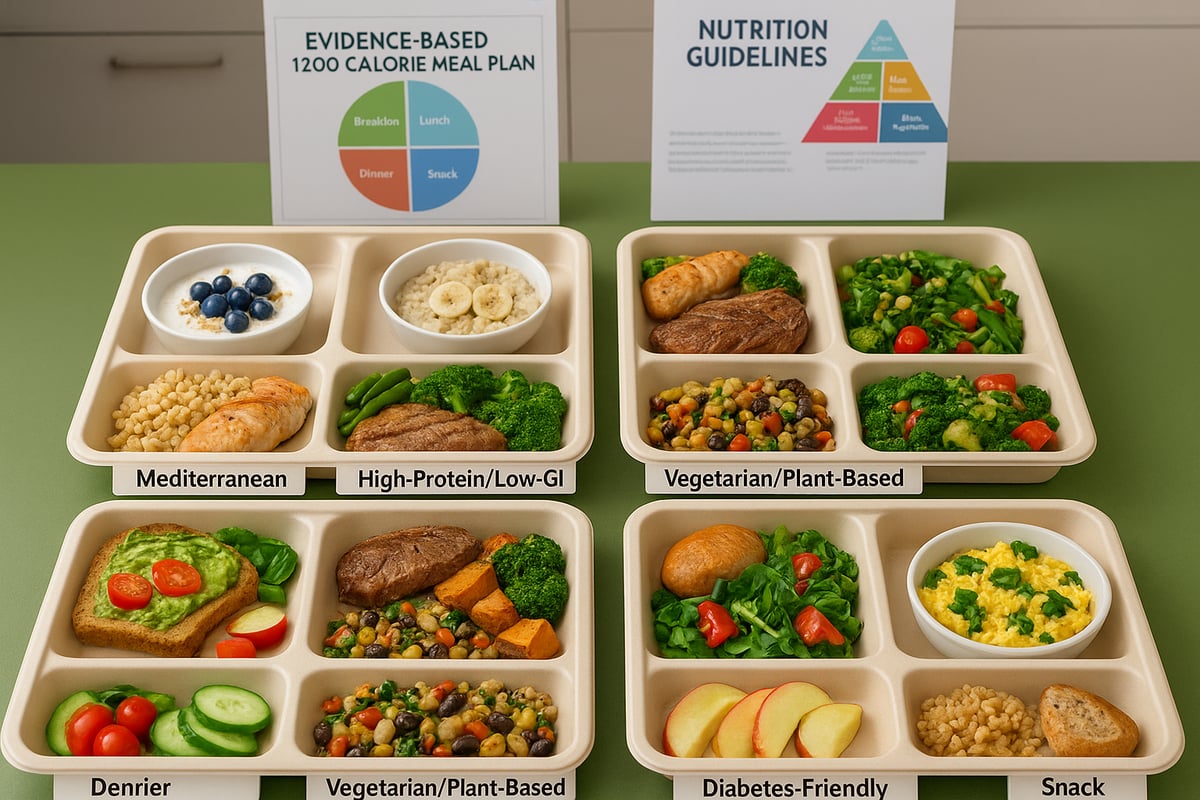
A variety of 1200 calorie meal plans can be tailored to support weight management, metabolic health, and chronic disease prevention. Below, we present four evidence-based examples, each structured to emphasize balanced nutrition, clinical outcomes, and practical implementation.
Example Meal Plan 1: Balanced Mediterranean-Style
The Mediterranean diet is widely recognized for its cardiovascular and metabolic benefits in calorie-restricted settings. Clinical trials demonstrate that Mediterranean-based 1200 calorie meal plans can support sustainable weight loss and glycemic control.
Sample Day:
- Breakfast: Greek yogurt (low-fat) with fresh berries and a sprinkle of chia seeds (200 kcal)
- Lunch: Grilled chicken breast, mixed greens salad with cherry tomatoes, cucumber, olive oil, and lemon dressing, whole grain pita (350 kcal)
- Snack: Sliced apple with 1 tablespoon almond butter (100 kcal)
- Dinner: Baked cod with steamed broccoli, quinoa, and a drizzle of extra-virgin olive oil (400 kcal)
- Total: 1200 kcal
This approach prioritizes unsaturated fats, lean proteins, fiber-rich vegetables, and whole grains. Evidence suggests such 1200 calorie meal plans can improve lipid profiles and reduce cardiovascular risk.
Example Meal Plan 2: High-Protein, Low-Glycemic Index
High-protein, low-glycemic index (GI) 1200 calorie meal plans are effective for appetite regulation and glycemic control. Meta-analyses indicate increased protein intake can enhance satiety and preserve lean mass during weight loss.
Sample Day:
- Breakfast: Scrambled eggs (2) with spinach and mushrooms, whole grain toast (220 kcal)
- Lunch: Tuna salad with mixed greens, chickpeas, cherry tomatoes, and vinaigrette (300 kcal)
- Snack: Low-fat cottage cheese with sliced cucumber (80 kcal)
- Dinner: Grilled turkey breast, roasted non-starchy vegetables, and a small serving of brown rice (400 kcal)
- Total: 1200 kcal
Selecting low-GI carbohydrates, high-fiber vegetables, and quality protein sources helps stabilize blood glucose and prolong satiety in 1200 calorie meal plans.
Example Meal Plan 3: Vegetarian and Plant-Based Options
Vegetarian 1200 calorie meal plans can provide adequate protein and essential nutrients when carefully structured. Plant-based diets support metabolic health and weight control, as shown in systematic reviews.
Sample Day:
- Breakfast: Oatmeal with unsweetened soy milk, flaxseed, and sliced banana (220 kcal)
- Lunch: Lentil and vegetable soup with a slice of whole grain bread (300 kcal)
- Snack: Carrot sticks with hummus (80 kcal)
- Dinner: Stir-fried tofu with mixed vegetables and a small portion of brown rice (400 kcal)
- Total: 1200 kcal
Attention to vitamin B12, iron, and calcium is necessary. Including fortified foods or supplements can help ensure nutritional adequacy in vegetarian 1200 calorie meal plans.
Example Meal Plan 4: Diabetes-Friendly 1200 Calorie Day
A diabetes-friendly 1200 calorie meal plan is designed to maintain stable blood glucose while supporting weight loss. Clinical guidance from the ADA and Diabetes UK recommends portion control, low-GI carbohydrates, and balanced macronutrients.
Sample Day:
- Breakfast: Plain low-fat yogurt with chopped walnuts and unsweetened berries (200 kcal)
- Lunch: Grilled salmon, spinach salad with cherry tomatoes and vinaigrette, small baked sweet potato (350 kcal)
- Snack: Sliced pear (70 kcal)
- Dinner: Skinless chicken breast, steamed green beans, and a half cup of quinoa (400 kcal)
- Total: 1200 kcal
For additional structured diabetes meal planning, see the 1,200 calories a day meal plan for women from Diabetes UK.
Table: Nutritional Breakdown and Key Features of Each Plan
| Plan Type | Main Protein Sources | Carb Focus | Fat Source | Unique Benefits | Evidence Level |
|---|---|---|---|---|---|
| Mediterranean | Chicken, fish, yogurt | Whole grains, veg | Olive oil, nuts | Cardiometabolic protection | RCTs, meta-analyses |
| High-Protein/Low-GI | Eggs, tuna, turkey | Low-GI grains | Olive oil, seeds | Satiety, lean mass preservation | Systematic reviews |
| Vegetarian | Lentils, tofu, soy milk | Whole grains, veg | Plant oils, nuts | Plant-based nutrient density | Meta-analyses |
| Diabetes-Friendly | Salmon, chicken, yogurt | Low-GI, portioned | Nuts, olive oil | Glycemic control, portion guidance | Guidelines, RCTs |
Each of these 1200 calorie meal plans is evidence-based and can be adapted for individual needs. Selecting nutrient-dense foods, prioritizing fiber, and ensuring adequate protein are essential for safety and efficacy.
Customizing Your 1200 Calorie Plan: Special Considerations and Adjustments
Personalization is essential for safe and effective 1200 calorie meal plans. Individual needs vary widely, and evidence suggests tailored adjustments can optimize outcomes and minimize health risks. We will review how to adapt these plans for age, gender, activity, health conditions, cultural needs, and more.

Adapting for Age, Gender, and Activity Level
Calorie requirements differ based on age, gender, and physical activity. Clinical guidelines indicate that 1200 calorie meal plans may be suitable for some adult women with lower energy needs, but may be inadequate for adult men, adolescents, or highly active individuals.
We recommend assessing baseline energy expenditure and considering factors like lean body mass, hormonal status, and activity patterns. For those with higher requirements, gradual adjustments above 1200 calories are advised to support metabolic health and prevent muscle loss. For older adults, monitoring protein intake and bone health is crucial when following 1200 calorie meal plans.
Managing Chronic Conditions (e.g., Diabetes, Hypertension)
People with chronic conditions, such as diabetes or hypertension, require careful oversight when initiating 1200 calorie meal plans. Clinical studies show tailored plans can support glycemic and blood pressure control, but medication adjustments and regular monitoring are critical.
We encourage consulting official resources like Diabetes Meal Planning for evidence-based guidance on carbohydrate distribution, portion control, and balanced nutrition. Individualized approaches may be needed for those on insulin or anti-hypertensive medications to avoid hypoglycemia or hypotension.
Cultural, Religious, and Personal Preferences
Customizing 1200 calorie meal plans for cultural, religious, or personal dietary preferences enhances adherence and nutritional adequacy. We suggest incorporating traditional foods within calorie limits and substituting ingredients to respect dietary laws or preferences.
For example, South Asian diets may use lentils and whole grains, while Middle Eastern plans might include legumes, seeds, and olive oil. Flexibility in food choices ensures 1200 calorie meal plans remain practical and culturally relevant, supporting long-term compliance.
Nutrient Supplementation and Fortification
Low calorie diets increase the risk of micronutrient deficiencies. Evidence from clinical guidelines recommends prioritizing nutrient-dense foods, especially sources of calcium, vitamin D, iron, and B12.
In some cases, supplementation or fortified foods may be necessary, particularly for those on vegetarian or vegan 1200 calorie meal plans. Healthcare professionals can guide safe supplement use to fill potential gaps and maintain overall health during calorie restriction.
Monitoring for Side Effects and When to Seek Help
Following 1200 calorie meal plans requires ongoing monitoring for signs of undernutrition, fatigue, dizziness, or unintended weight loss. We advise regular health assessments, including weight, laboratory markers, and symptom review.
If adverse effects develop, such as persistent weakness, hair loss, or menstrual irregularities, it is essential to consult a healthcare provider promptly. Early intervention can prevent complications and allow for timely plan adjustments, ensuring safety and efficacy.
Practical Tips for Long-Term Success with 1200 Calorie Meal Plans
Achieving sustainable results with 1200 calorie meal plans requires more than initial enthusiasm. Success depends on evidence-based strategies that support adherence, nutrient quality, and ongoing motivation. We present practical guidance, grounded in clinical research, to help optimize daily routines and maintain health outcomes over time.
Meal Prep, Shopping, and Budget Management
Consistent meal preparation is central to success with 1200 calorie meal plans. Research suggests that individuals who plan and prepare meals in advance demonstrate improved dietary quality and weight control. Creating a weekly menu, preparing ingredient lists, and batch-cooking meals can reduce impulsive eating and minimize food waste.
To maximize nutritional value within a calorie limit, focus on purchasing whole grains, lean proteins, and seasonal produce. Comparing unit prices and buying in bulk can lower costs while maintaining diet quality. Investing in portion control tools, such as digital food scales and measuring cups, ensures accuracy and reduces the risk of unintentional overeating.
- Prepare meals in advance to streamline busy days
- Shop with a list to avoid unplanned purchases
- Use portion control containers for accurate servings
By integrating these strategies, we can build a foundation for adherence to 1200 calorie meal plans and support long-term dietary success.
Eating Out and Social Situations
Dining outside the home presents unique challenges for those following 1200 calorie meal plans. Studies indicate that meals prepared away from home are typically higher in energy density and sodium, increasing the risk of exceeding calorie targets. To stay on track, review menus online before dining out and select dishes emphasizing vegetables, lean proteins, and whole grains.
Request modifications such as dressing on the side, grilled rather than fried options, and smaller portion sizes. Sharing entrees or choosing appetizers as main courses can help maintain calorie control. In social situations, focusing on conversation and mindful eating practices can prevent unintentional overconsumption.
- Review restaurant menus and plan choices in advance
- Request modifications to decrease added fats and sugars
- Prioritize water or calorie-free beverages during meals
These techniques help us navigate social settings while adhering to 1200 calorie meal plans.
Managing Hunger and Satiety
Managing hunger is a common challenge with 1200 calorie meal plans, particularly during the initial adjustment period. Evidence highlights the value of high-volume, low-calorie foods such as vegetables, broth-based soups, and salads for promoting satiety without excess calories. Including adequate protein and fiber at each meal further supports appetite regulation.
Selecting high-protein recipes can be particularly beneficial for satiety and muscle preservation. For inspiration, we can explore high-protein recipe ideas that fit within calorie goals.
- Prioritize high-fiber vegetables and legumes for fullness
- Incorporate lean protein sources at every meal
- Choose low-calorie, high-volume foods to reduce hunger
By focusing on these dietary components, we can support adherence and comfort with 1200 calorie meal plans.
Staying Motivated and Avoiding Relapse
Long-term adherence to 1200 calorie meal plans is strongly linked to sustained motivation and relapse prevention. Clinical reviews emphasize the importance of social support, regular self-monitoring, and setting realistic, process-oriented goals. Tracking progress through food diaries or digital apps can reinforce positive behaviors.
Engaging with evidence-based sustainable weight loss strategies further enhances our ability to maintain results. Identifying personal motivators and celebrating incremental achievements can buffer against setbacks.
- Use food diaries or digital apps for accountability
- Seek support from peers, family, or health professionals
- Set realistic, measurable goals and reward progress
These actions foster resilience and help us sustain 1200 calorie meal plans over time.
Reviewing and Adjusting Your Plan Over Time
Ongoing evaluation is essential for safe and effective use of 1200 calorie meal plans. Clinical guidelines recommend periodic reassessment of weight, health markers, and dietary satisfaction. If plateaus, fatigue, or symptoms of undernutrition occur, adjustments may be necessary.
Consulting with healthcare professionals ensures that nutritional needs continue to be met as body weight or activity levels change. Transitioning to higher calorie maintenance plans may be appropriate after reaching target goals.
- Schedule regular progress reviews with a healthcare provider
- Monitor for signs of nutrient deficiency or low energy
- Adjust calorie intake as needed for long-term health
By remaining flexible and responsive, we can ensure the ongoing safety and effectiveness of 1200 calorie meal plans.
Frequently Asked Questions About 1200 Calorie Meal Plans
Adopting 1200 calorie meal plans raises important questions about safety, effectiveness, and best practices. Below, we address the most frequently asked questions, drawing on clinical evidence and official guidelines to support informed decisions.
Is a 1200 calorie meal plan safe for everyone?
1200 calorie meal plans are not universally appropriate. Clinical guidelines from the NHS, CDC, and American Diabetes Association emphasize that such plans are best suited for adults with obesity or overweight, under medical supervision.
These meal plans may not meet the energy requirements of children, adolescents, pregnant or breastfeeding women, and those with certain chronic illnesses. Before starting, we should consult a healthcare provider to assess individual risks and suitability. Special populations may require alternative calorie targets for safety.
How quickly should we expect to see results?
Most individuals following 1200 calorie meal plans can expect gradual weight loss. Evidence from systematic reviews indicates an average reduction of 0.5 to 1 kg per week is typical when a moderate calorie deficit is maintained.
However, actual results vary based on age, gender, baseline weight, and physical activity level. Rapid loss beyond these rates may increase the risk of lean mass loss or metabolic adaptation, so steady progress is recommended for long-term success.
What if we feel fatigued or unwell?
Feeling tired or unwell is a possible sign that 1200 calorie meal plans may not be providing sufficient energy or nutrients. Common causes include inadequate protein, iron, or B vitamin intake, as well as dehydration.
If we experience persistent fatigue, dizziness, or other symptoms, we should pause the plan and consult a healthcare professional. Adjustments may be needed to ensure nutritional adequacy and overall health during calorie restriction.
Can a 1200 calorie plan be combined with exercise?
We can combine 1200 calorie meal plans with physical activity, but careful monitoring is essential. Engaging in moderate exercise supports cardiovascular and metabolic health, although additional calories may be required for those with higher activity levels.
For individuals with hypertension or heart disease, adapting a plan like the DASH Eating Plan can improve outcomes. We should tailor exercise and nutrition to our energy needs and medical status, with guidance from a healthcare provider.
How do we prevent nutrient deficiencies?
Preventing deficiencies while following 1200 calorie meal plans requires careful selection of nutrient-dense foods. Emphasize lean proteins, whole grains, fruits, vegetables, and healthy fats at each meal.
We should monitor intake of key nutrients such as iron, calcium, vitamin D, and B vitamins. Supplementation may be necessary for some individuals, particularly when dietary sources are insufficient or absorption is impaired.
Are meal replacement shakes recommended?
Meal replacement shakes can be used in structured 1200 calorie meal plans, especially under clinical supervision. Evidence suggests they may support adherence and portion control in the short term.
However, whole foods are preferred for long-term nutritional adequacy, as they provide fiber and phytochemicals not present in most shakes. If used, shakes should be nutritionally balanced and not replace all meals.
When should we stop or modify the 1200 calorie plan?
We should consider stopping or modifying 1200 calorie meal plans if we experience ongoing adverse effects, medical complications, or reach a healthy weight. Clinical indicators for change include persistent fatigue, hair loss, menstrual irregularities, or signs of undernutrition.
Regular review with a healthcare professional ensures safety and supports transition to a higher calorie maintenance plan when appropriate.
Now that you understand the science, safety, and practical steps behind a 1200 calorie meal plan, you’re well-equipped to make informed choices for your health journey. If you’re looking for clear, actionable guidance rooted in clinical evidence and led by medical professionals, I invite you to take the next step. We believe education and structure are key to lasting success, especially when it comes to weight management and metabolic health. To deepen your understanding and access a comprehensive, doctor-led program, discover a structured, evidence based metabolic course. Your blueprint for 2026 and beyond starts here.
