
The demand for low calorie protein bars is rising as more individuals seek convenient, evidence-based options to support healthier lifestyles in 2026. In this article, we critically evaluate the top 8 low calorie protein bars using rigorous, medically reviewed nutritional criteria. We will explore why protein plays a vital role in diet, outline our transparent selection methodology, and provide detailed, clinically informed profiles of each bar. By reviewing the latest research and clinical guidelines, we aim to empower readers to make informed, confident choices about incorporating low calorie protein bars into their nutrition plan.
The Science Behind Low Calorie Protein Bars
Understanding the science behind low calorie protein bars is essential for making informed dietary choices. These products are commonly used for weight management, muscle maintenance, and convenient nutrition. In this section, we examine the clinical criteria, nutritional composition, ingredient quality, and regulatory standards that define and differentiate low calorie protein bars.
What Defines a Low Calorie Protein Bar?
A low calorie protein bar is clinically defined as a snack delivering 150 to 200 kilocalories per serving, in alignment with NIH and FDA dietary guidance. This caloric threshold supports weight control efforts by providing satiety without exceeding daily energy needs. For a product to qualify as one of the most effective low calorie protein bars, it must also contain at least 10 grams of protein per serving, as systematic reviews consistently link this amount to improved satiety and muscle preservation.
Macronutrient composition is critical. Low calorie protein bars should contain limited added sugars, ideally less than 8 grams per serving, and a minimum of 3 grams of dietary fiber to support digestive health and glycemic control. Fat content is typically moderate, prioritizing unsaturated fats from nuts or seeds over saturated fats.
Ingredient quality is a distinguishing factor. Bars using whole food ingredients and avoiding excessive artificial sweeteners or highly processed additives are more likely to support metabolic health. Allergen transparency is mandated, with clear labeling for common allergens such as nuts, soy, and gluten.
Protein sources vary, with both plant-based and animal-derived options. Clinical studies indicate that both can be effective for muscle maintenance, though plant-based low calorie protein bars may offer additional fiber and phytonutrients. Evidence from peer-reviewed trials, such as the study on leucine-enhanced protein bars and appetite, demonstrates measurable effects on appetite suppression and caloric intake, supporting their use in dietary interventions.
Regulatory oversight by the FDA and EFSA ensures that claims about protein content, calorie count, and health benefits are accurate and not misleading. Compliance with these standards is essential for consumer safety and informed choice.
Benefits and Limitations of Low Calorie Protein Bars
Low calorie protein bars offer several clinically validated benefits. They provide a convenient source of high quality protein, supporting weight loss by enhancing satiety and reducing subsequent calorie intake. For individuals with increased protein needs, such as athletes or older adults, these bars can help maintain lean muscle mass while controlling caloric intake. Their portability makes them suitable for on-the-go nutrition and structured meal planning.
However, there are important limitations. Reliance on low calorie protein bars may contribute to nutrient deficiencies if they displace whole foods in the diet. Some formulations contain sugar alcohols or fibers that may cause gastrointestinal discomfort in sensitive individuals. Overconsumption can occur if bars are used as frequent snacks rather than occasional supplements.
Comparative research shows that while low calorie protein bars are more convenient than whole food snacks, they may lack the full spectrum of micronutrients found in unprocessed foods. Clinical nutrition guidelines recommend using these bars as part of a balanced diet, not as a substitute for meals based on whole grains, fruits, and vegetables.
In summary, low calorie protein bars can be an evidence-based tool for weight management and protein supplementation when selected according to clinical criteria and used in moderation. Careful attention to ingredient quality, allergen risk, and adherence to regulatory labeling is essential for maximizing benefits and minimizing risks.
Methodology: Criteria for Selecting the Top 8
Selecting the most effective low calorie protein bars requires a rigorous, evidence-based approach. We prioritized clinical relevance, safety, and transparency throughout our review. Our methodology is grounded in peer-reviewed research, systematic reviews, and established nutritional guidelines.
Evidence-Based Selection Process
We began our evaluation by consulting systematic reviews and meta-analyses published in PubMed-indexed journals. These sources provided insight into the efficacy, safety, and tolerability of low calorie protein bars among diverse populations. Clinical studies consistently indicate that bars containing at least 10 grams of protein per serving, with a caloric range of 150 to 200 kcal, support satiety and muscle maintenance.
Additionally, we reviewed ingredient lists to ensure transparency and adherence to standards such as organic certification, non-GMO status, and allergen labeling. Only products with clear, verifiable ingredient sourcing were considered. Where available, we incorporated findings from randomized controlled trials to further validate the impact of low calorie protein bars on appetite regulation and metabolic health.
To address consumer safety and regulatory compliance, we cross-referenced product claims with current FDA Guidance on Structure/Function Claims. This ensured that all selected bars meet labeling requirements and do not make unsupported health claims.
Nutritional and Safety Benchmarks
Each protein bar was assessed against strict nutritional criteria. We prioritized bars with:
- 150 to 210 kcal per serving
- At least 10 grams of protein
- Less than 8 grams of sugar
- At least 3 grams of fiber
- Moderate fat content, with emphasis on unsaturated sources
Micronutrient content, such as iron, calcium, and B vitamins, was also evaluated. We excluded bars containing excessive sodium or artificial sweeteners that lack robust safety data. Allergen labeling was verified to protect individuals with sensitivities.
Palatability and consumer adherence were reviewed using published consumer research, focusing on taste, texture, and overall acceptability. Price and accessibility were considered to ensure the recommended low calorie protein bars are available to a broad audience.
Exclusion and Quality Criteria
To maintain clinical integrity, we excluded bars with:
- Excessive added sugars or artificial additives
- Incomplete ingredient disclosure
- Lack of support from peer-reviewed studies
We also eliminated products with a history of contamination or mislabeling. Only low calorie protein bars that demonstrated consistent quality, safety, and evidence-based benefit were included in our final selection.
This methodology ensures that our recommendations align with current clinical nutrition guidelines and regulatory standards, supporting informed, health-focused choices.
Top 8 Low Calorie Protein Bars to Try in 2026
Selecting the most effective low calorie protein bars requires a rigorous, evidence-based approach. Here, we present medically reviewed profiles of eight leading options for 2026, each evaluated against clinical nutrition benchmarks for calories, protein, ingredient quality, and suitability for various health needs.
To aid comparison, we summarize the key data in the table below.
| Protein Bar | Protein (g) | Calories | Main Protein Source | Allergen Info | Key Benefit | Price (Box/Bar) |
|---|---|---|---|---|---|---|
| ALOHA Peanut Butter Cup | 14 | 210 | Plant (pea, brown rice) | Contains nuts | Satiety, vegan-friendly | $34.99/$2.91 |
| Oatmeal Chocolate Chip | 14 | 210 | Plant | Oats (may contain gluten) | Gut health | $34.99/$2.91 |
| Chocolate Mint | 14 | 210 | Plant | Tree nuts | Active lifestyles | $34.99/$2.91 |
| Peanut Butter Chocolate Chip | 14 | 210 | Plant | Peanuts, soy | Energy balance | $34.99/$2.91 |
| Chocolate Caramel Pecan | 14 | 210 | Plant | Tree nuts | Muscle recovery | $34.99/$2.91 |
| Raspberry White Chocolate | 14 | 210 | Plant | Tree nuts | Dessert-like flavor | $34.99/$2.91 |
| Lemon Cashew | 14 | 210 | Plant | Cashews | Refreshing taste | $34.99/$2.91 |
| Chocolate Chip Cookie Dough | 14 | 210 | Plant | Tree nuts, soy | Indulgence | $34.99/$2.91 |
ALOHA Peanut Butter Cup Protein Bar
The ALOHA Peanut Butter Cup Protein Bar features a plant-based protein blend, delivering 14 grams of protein and 210 calories per serving. This bar uses organic, non-GMO ingredients and is certified gluten-free, making it suitable for individuals seeking allergen-conscious options.
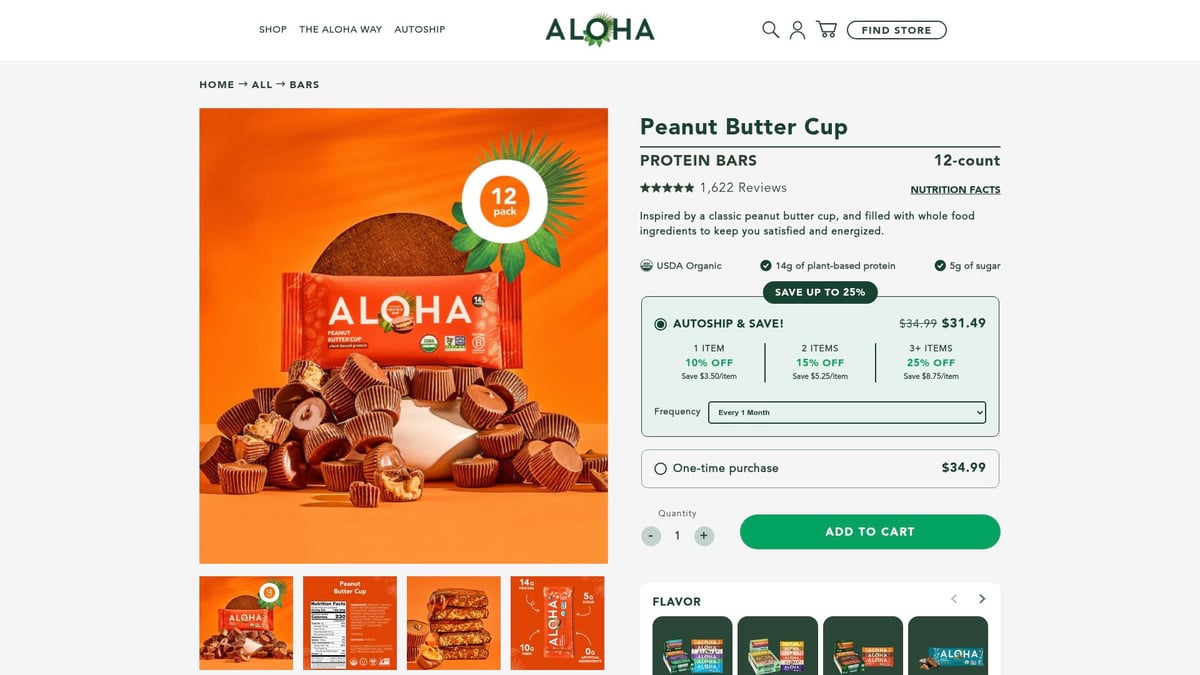
Clinical studies indicate that plant-based proteins can effectively support satiety and muscle maintenance, especially when consumed as part of a balanced diet. The minimal use of artificial additives aligns with current dietary guidelines that recommend limiting processed ingredients in low calorie protein bars.
Key benefits include its suitability for vegan and gluten-sensitive populations, as well as its clean ingredient profile. However, the calorie content slightly exceeds the strictest definitions for low calorie snacks, and the presence of nuts may pose an allergen risk.
This bar is especially appropriate for weight management, meal replacement, and post-exercise recovery, according to evidence supporting the role of protein-rich snacks in appetite regulation.
Oatmeal Chocolate Chip Protein Bar
The Oatmeal Chocolate Chip Protein Bar offers 14 grams of protein and 210 calories per serving, utilizing organic oats and a plant-based protein blend. High fiber content is a distinguishing feature, supporting gut health and promoting sustained satiety.
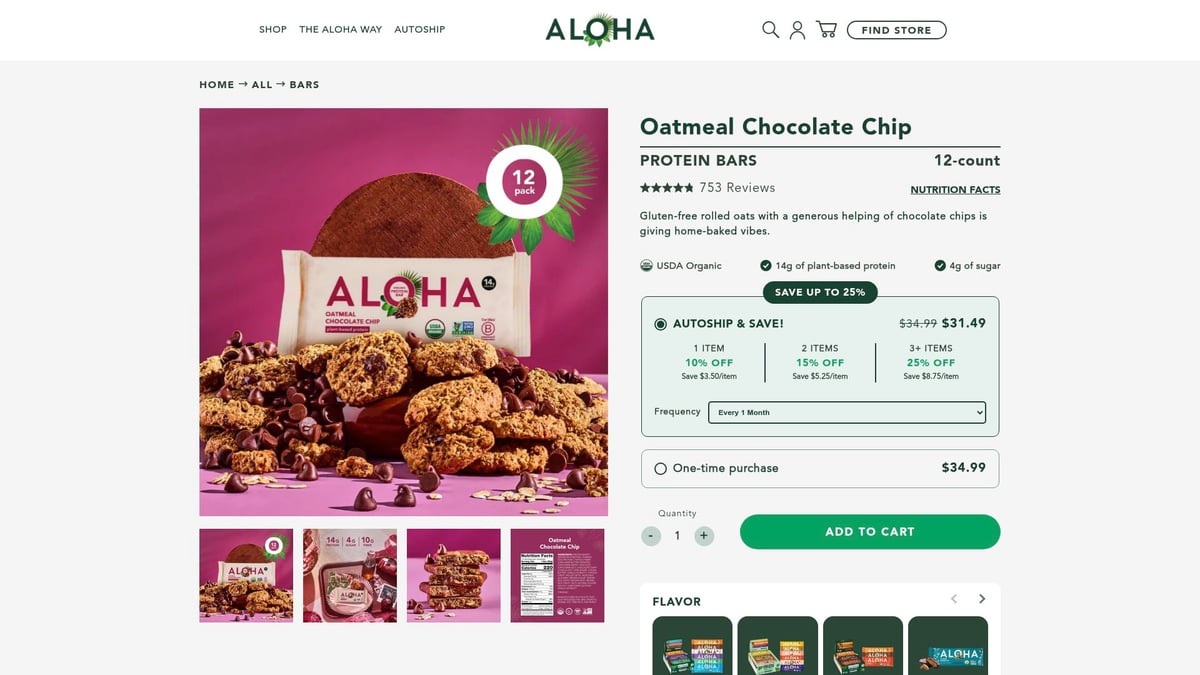
Systematic reviews demonstrate that fiber-rich, low calorie protein bars can aid in appetite control and weight management. The absence of artificial sweeteners further enhances its nutritional profile, reducing the risk of gastrointestinal discomfort.
This bar is designed for individuals seeking digestive support, as well as those who require a convenient, allergen-friendly snack. However, the inclusion of oats may present a gluten risk for individuals with celiac disease if the oats are not certified gluten-free.
Clinical evidence supports the integration of such bars in dietary regimens focused on metabolic health and weight loss, particularly when combined with whole foods for balanced nutrition.
Chocolate Mint Protein Bar
The Chocolate Mint Protein Bar contains 14 grams of protein and 210 calories. It is made with organic, vegan, and gluten-free ingredients, and excludes soy, making it appropriate for a broad range of dietary requirements.
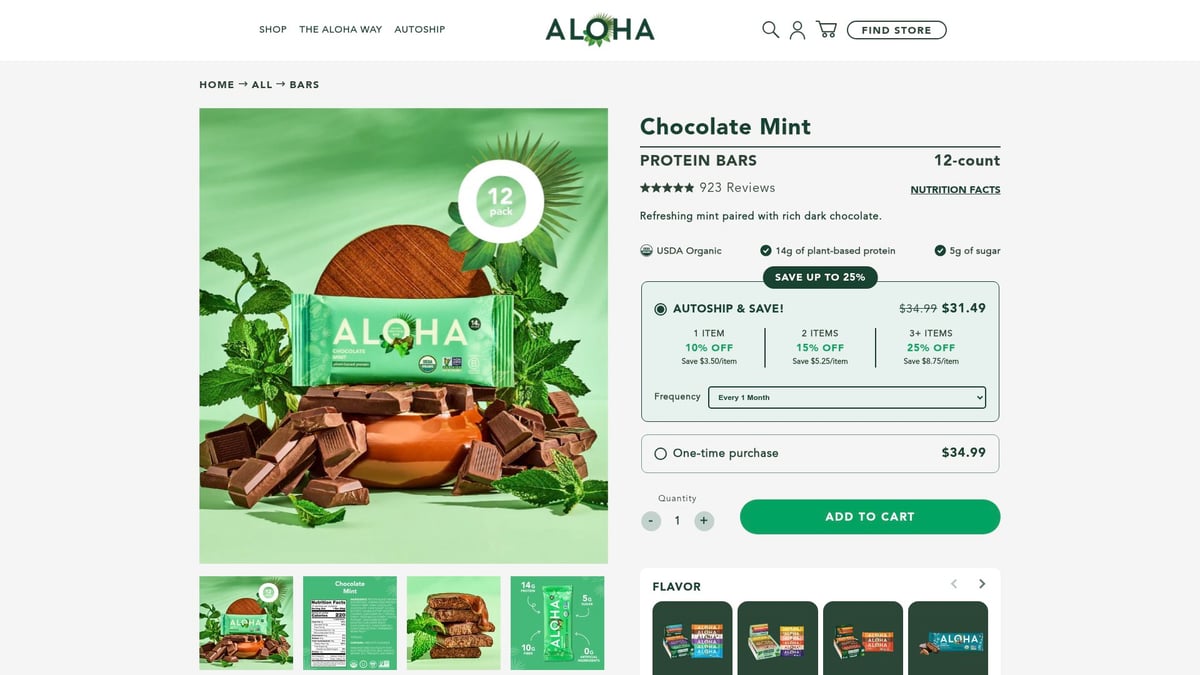
A refreshing mint flavor differentiates this product within the low calorie protein bars category. Peer-reviewed studies highlight the importance of protein intake for active individuals, supporting muscle repair and energy balance.
The clean label and high consumer ratings reflect its acceptance among athletes and those adhering to plant-based diets. However, the presence of tree nuts and higher sodium content may limit suitability for individuals with specific health concerns.
Overall, this bar provides a clinically substantiated option for protein supplementation in physically active populations.
Peanut Butter Chocolate Chip Protein Bar
The Peanut Butter Chocolate Chip Protein Bar delivers 14 grams of protein and 210 calories per serving, using organic, non-GMO, plant-based ingredients. This bar balances protein and carbohydrates, supporting both energy needs and muscle maintenance.
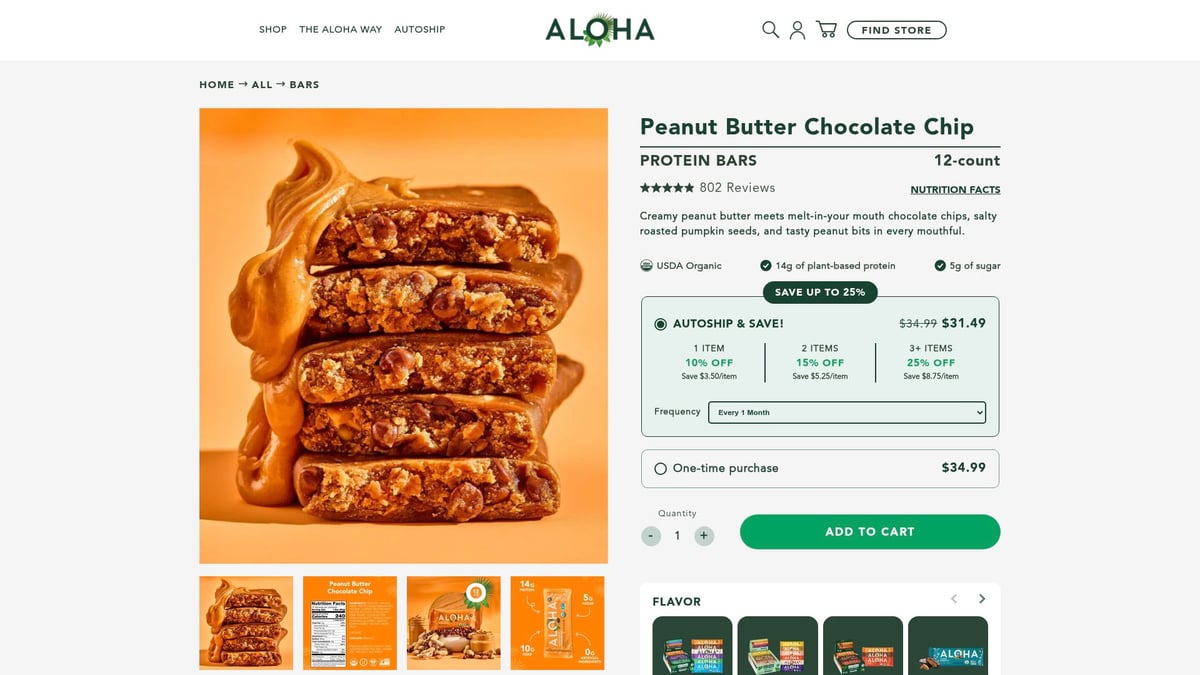
Evidence from systematic reviews supports the efficacy of low calorie protein bars for increasing satiety and facilitating weight management when used as part of a calorie-controlled diet. The absence of artificial flavors aligns with current recommendations for minimizing processed food intake.
Fitness enthusiasts and those requiring a quick, nutritious snack may benefit most from this bar. However, the inclusion of peanuts and soy may present allergen risks.
Clinical data suggest that such balanced protein bars can aid in adherence to dietary protocols aimed at weight loss and metabolic health.
Chocolate Caramel Pecan Protein Bar
Featuring 14 grams of protein and 210 calories, the Chocolate Caramel Pecan Protein Bar is plant-based, gluten-free, and non-GMO. Its unique flavor profile offers variety for those seeking diversity in their low calorie protein bars.
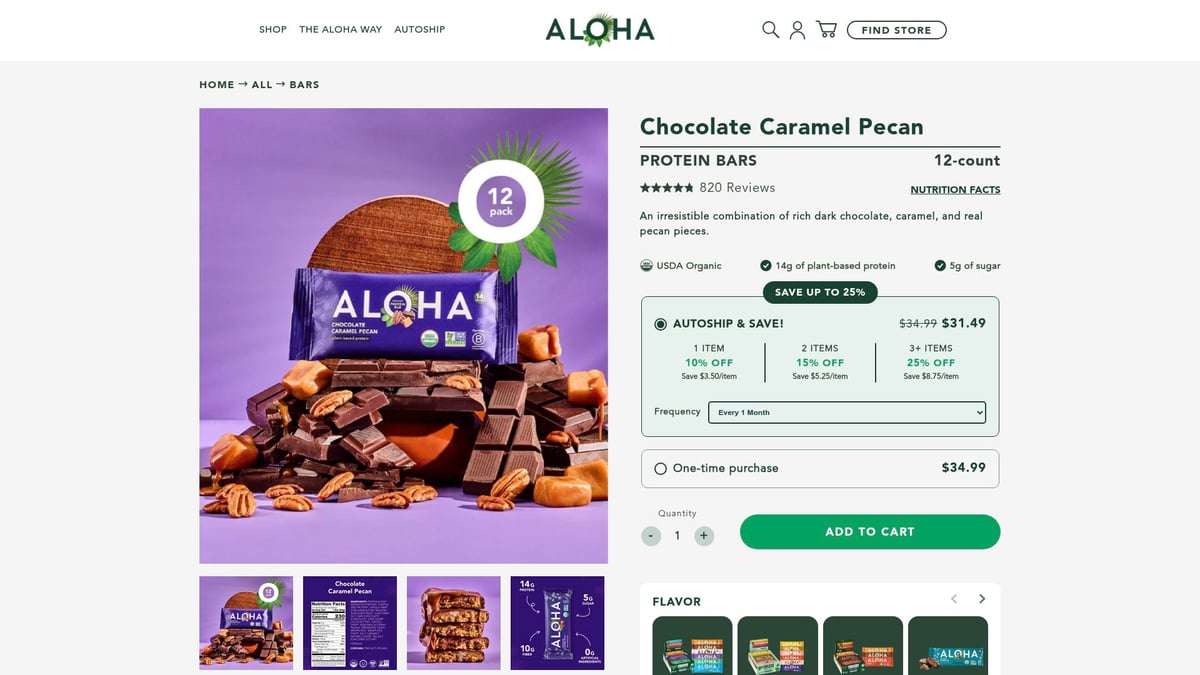
Clinical trials underscore the importance of protein and nutrient density in snack foods for muscle repair and recovery. Transparent allergen labeling enhances consumer safety, and high consumer satisfaction scores indicate broad acceptability.
The primary limitation is the presence of tree nuts, which may exclude individuals with nut allergies from safely consuming this product.
Overall, this bar is well suited for individuals seeking nutrient-dense, plant-based options with distinctive flavors.
Raspberry White Chocolate Protein Bar
The Raspberry White Chocolate Protein Bar supplies 14 grams of protein and 210 calories per serving, utilizing a plant-based, limited edition formula. It combines fruit and protein, appealing to those who prefer dessert-like flavors in their low calorie protein bars.
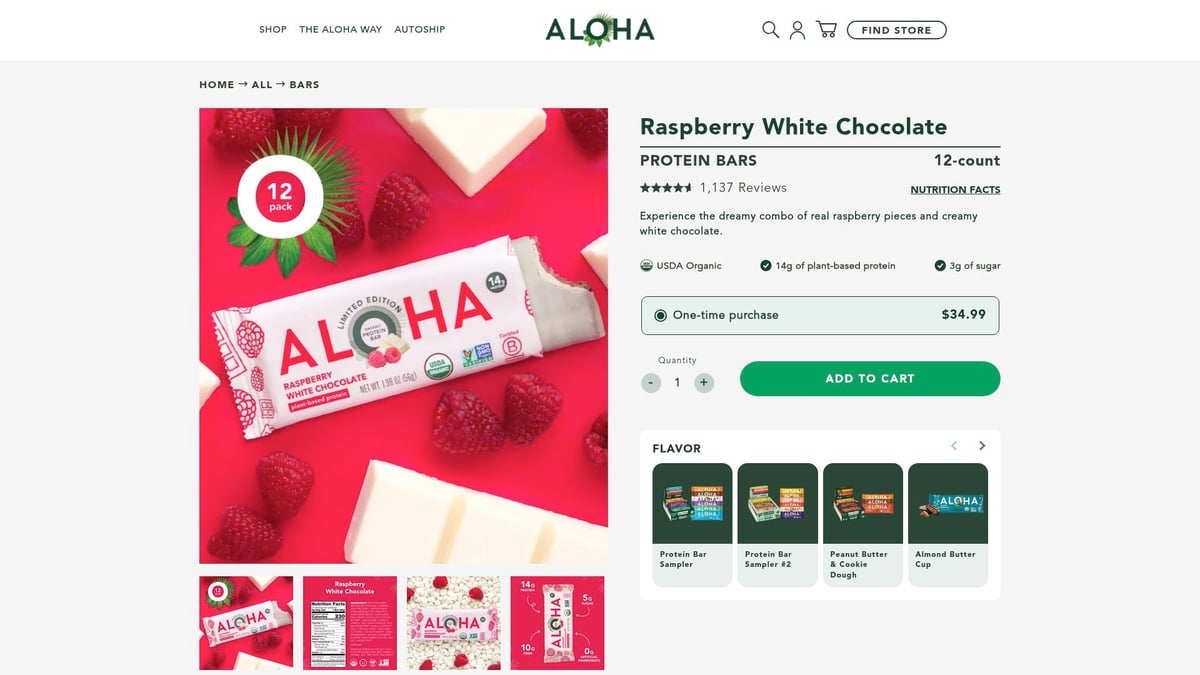
Research indicates that satisfying sweet cravings with protein-rich, controlled-calorie snacks can support adherence to weight management strategies. The absence of artificial colors and high protein content are notable strengths.
However, this bar’s seasonal availability and inclusion of tree nuts may limit accessibility and suitability for some individuals.
Integrating such bars into a broader dietary plan, alongside weight loss friendly recipes, may enhance both variety and nutritional adequacy.
Lemon Cashew Protein Bar
The Lemon Cashew Protein Bar delivers 14 grams of protein and 210 calories, featuring a plant-based, gluten-free, and non-GMO profile. Its citrus flavor offers a refreshing alternative to chocolate-based low calorie protein bars.
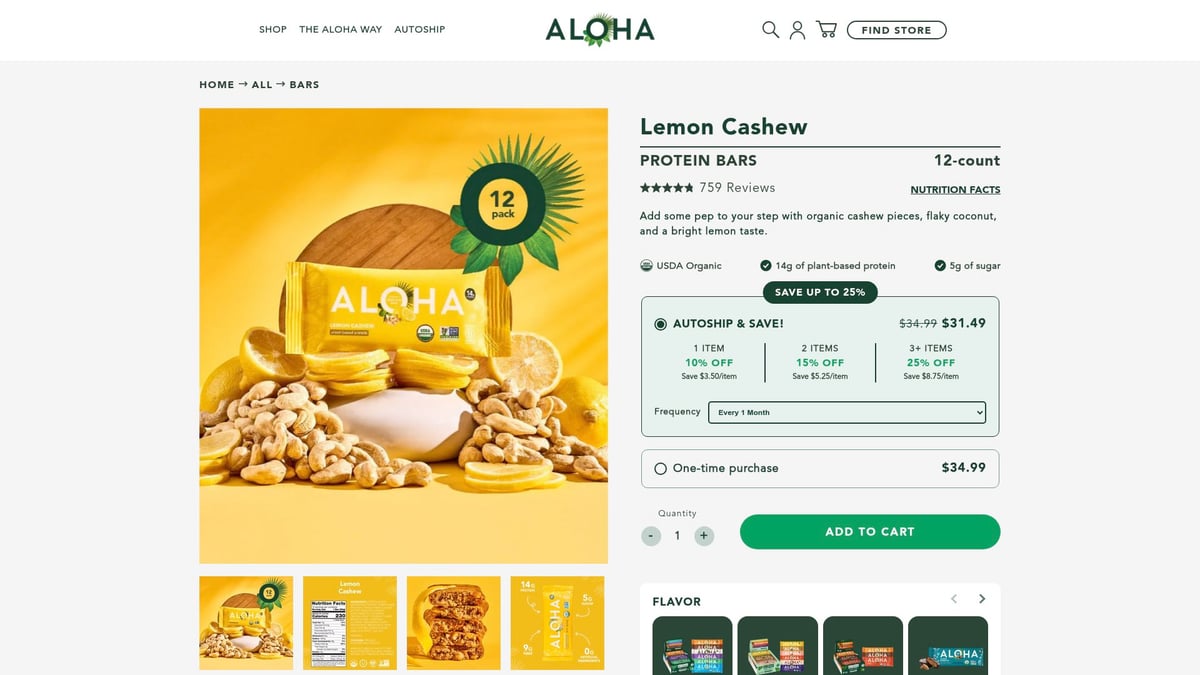
Clinical guidelines emphasize the importance of protein intake with minimal added sugars for metabolic health. The high fiber content and transparent allergen labeling further align with current recommendations for safe and effective snack options.
The presence of cashews may pose an allergen risk, and the flavor profile may not appeal to all consumers.
This bar is especially relevant for those seeking a non-chocolate, evidence-supported protein snack.
Chocolate Chip Cookie Dough Protein Bar
The Chocolate Chip Cookie Dough Protein Bar features 14 grams of protein and 210 calories, using organic, non-GMO, vegan ingredients. Mimicking traditional dessert flavors, it supports satiety and muscle recovery, which are key outcomes evidenced in clinical nutrition literature for low calorie protein bars.
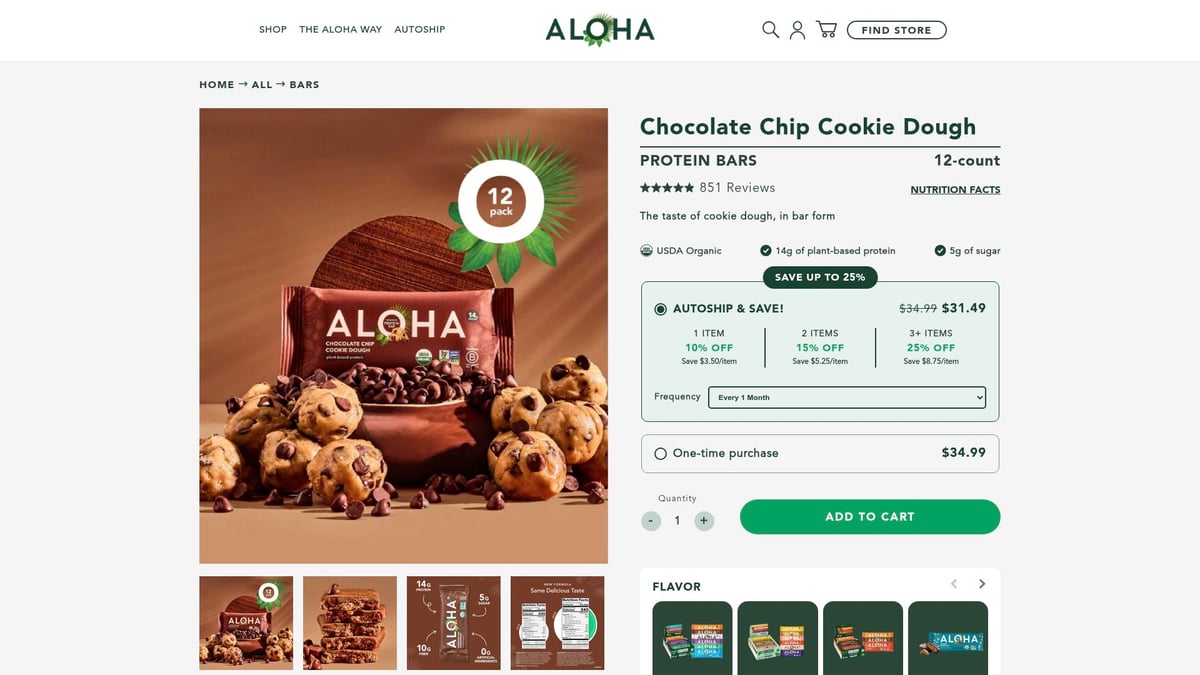
Positive consumer feedback and a clean label enhance its profile. However, the inclusion of tree nuts and soy may limit its appropriateness for individuals with certain dietary restrictions.
This bar is recommended for those seeking indulgence without compromising protein intake or exceeding calorie targets, according to systematic reviews on protein snack efficacy.
Clinical Considerations: Who Should Use Low Calorie Protein Bars?
As we evaluate the clinical applications of low calorie protein bars, it is essential to consider which population groups may benefit most and in what contexts. Clinical research highlights specific scenarios where these products serve as a practical tool for dietary management and protein supplementation.
Population Groups and Use Cases
Evidence from meta-analyses and clinical trials indicates that low calorie protein bars can offer significant benefits for individuals engaged in weight management programs. These bars provide a convenient, portion-controlled option for increasing protein intake, which is linked to improved satiety, reduced calorie consumption, and support for lean body mass retention. For those managing metabolic syndrome or aiming to prevent type 2 diabetes, research shows that higher protein diets, including supplementation from low calorie protein bars, may assist with glycemic control and appetite regulation.
Athletes and physically active individuals often require greater amounts of protein to support muscle repair and recovery. Low calorie protein bars, especially those meeting clinical thresholds of at least 10 grams of protein per serving, are suitable for post-exercise nutrition. Older adults, who may experience anabolic resistance and reduced appetite, also benefit from the convenience and precise dosing these bars offer.
The table below summarizes clinical suitability:
| Population | Evidence-Based Use Case |
|---|---|
| Weight management | Satiety, portion control, energy reduction |
| Metabolic syndrome/diabetes | Glycemic control, reduced sugar intake |
| Athletes | Muscle repair, recovery, portable nutrition |
| Older adults | Overcome appetite loss, maintain muscle mass |
Clinical guidelines recommend that low calorie protein bars be integrated into a balanced diet, not as a sole source of nutrition.
Practical Clinical Guidance and Limitations
When incorporating low calorie protein bars into clinical nutrition plans, several considerations must be addressed. Gastrointestinal tolerance varies, particularly with high fiber content or the presence of artificial sweeteners, which may cause discomfort in sensitive individuals. It is critical to assess ingredient lists for common allergens such as nuts, soy, and gluten, and to verify labeling accuracy, as cross-contamination and undeclared allergens are a documented concern in processed foods.
For patients using low calorie protein bars for weight management, it is important to set realistic expectations and monitor progress. Plateaus in weight loss are common and may require a reassessment of overall dietary patterns; for further context, see Understanding weight plateaus. We must emphasize that these bars are not a replacement for whole foods but can be used as a supplement or occasional meal replacement when clinically appropriate.
Portion control is vital, as overconsumption may lead to excessive intake of processed ingredients or nutrients such as sodium. Current guidance from the NIH and NHS advises limiting processed snack foods and prioritizing a diet rich in whole, minimally processed foods. Monitoring for signs of gastrointestinal intolerance or adverse reactions is recommended, and patients should be encouraged to report any concerns to their healthcare provider.
In summary, low calorie protein bars can be a valuable adjunct in targeted clinical scenarios, provided their use is evidence-based, individualized, and part of a comprehensive nutrition plan.
Safety, Regulatory, and Nutritional Labeling Issues
Ensuring the safety and transparency of low calorie protein bars requires adherence to stringent regulatory standards. In the United States, the Food and Drug Administration (FDA) and, in Europe, the European Food Safety Authority (EFSA) oversee labeling, ingredient disclosures, and health claims for these products. The FDA recently updated its criteria for what constitutes a “healthy” food, directly affecting how manufacturers can market low calorie protein bars and what claims they may display on packaging. For further context, see the FDA’s Updated Definition of ‘Healthy’ Foods.
A primary safety concern with low calorie protein bars is the risk of contamination or mislabeling. Peer-reviewed case studies and FDA recall reports have documented instances in which protein bars contained undeclared allergens such as peanuts, tree nuts, soy, or gluten. Such errors pose significant health risks, particularly for individuals with severe allergies. Additionally, contamination with pathogens or foreign materials, although rare, has led to recalls and underscores the need for robust quality control.
Third-party testing and certification, such as those provided by NSF International or Informed Choice, are increasingly recommended by clinical nutrition guidelines. These certifications verify that low calorie protein bars meet label claims, are free from banned substances, and have been tested for contaminants. Choosing bars with recognized certifications can help consumers minimize risk and ensure product integrity.
Nutritional labeling is another critical area for consumer safety. Clinical evidence suggests that some low calorie protein bars may contain high levels of artificial sweeteners or sugar alcohols, which can cause gastrointestinal symptoms in sensitive individuals. Regulatory agencies require clear labeling of these ingredients, but the terminology may be unfamiliar to some consumers. It is essential to read ingredient lists carefully, checking for terms such as sucralose, erythritol, or maltitol.
To make informed choices, we recommend following a stepwise approach:
- Review the nutrition facts panel for calorie, protein, sugar, and fiber content.
- Check the ingredient list for potential allergens and additives.
- Look for third-party certification seals.
- Consult official resources or clinical guidelines if uncertain about ingredient safety.
Finally, consumers should report any adverse reactions from low calorie protein bars to regulatory authorities such as the FDA or EFSA. This helps improve food safety monitoring and ensures that problematic products can be investigated and addressed promptly.
Practical Tips for Incorporating Low Calorie Protein Bars into a Healthy Diet
Integrating low calorie protein bars into a balanced eating plan requires careful consideration of timing, portion size, and overall dietary variety. Evidence suggests these bars can be a convenient protein source, but clinical guidelines emphasize moderation and context within whole food patterns.
Practical strategies for optimal use:
- Consume low calorie protein bars as a supplement, not a replacement, for meals. Clinical studies recommend using them for post-exercise recovery or as a planned snack when whole foods are unavailable.
- Combine bars with fruits, vegetables, or yogurt to enhance fiber and micronutrient intake. For more ideas on nutritious combinations, review these gut-friendly foods for weight control.
- Limit intake to one bar per day unless otherwise guided by a healthcare professional, as over-reliance may reduce dietary variety and increase exposure to processed ingredients.
- Monitor for gastrointestinal symptoms such as bloating or discomfort, particularly if bars contain sugar alcohols or high fiber. Adjust intake if intolerance develops.
- Rotate protein sources by incorporating whole food options and exploring high protein recipe ideas to maintain nutritional diversity.
Current guidelines recommend reading nutrition labels carefully and being aware of potential allergens. Low calorie protein bars can support weight management and satiety goals when used judiciously and as part of a varied, whole food-based diet.
After exploring the top low calorie protein bars and the science behind making informed choices, you might be wondering how to put all this knowledge into action for long term health. At PREVENTIV, we believe that the right education and expert guidance are key to sustainable results—especially when it comes to managing weight and supporting metabolic wellness. If you’re ready to go beyond just reading labels and want support grounded in clinical expertise, I invite you to explore a science backed approach to weight loss. Let’s take the next step in your health journey together.
