
Interest in practical, evidence-based strategies for managing body weight continues to grow as we approach 2026. Recent clinical guidelines and meta-analyses emphasize the importance of dietary choices, with a particular focus on how beverage selection can influence weight outcomes.
Research suggests that certain weight loss drinks may support satiety, metabolism, and calorie control. In this article, we present seven refreshing, scientifically supported options, each with a summary of its mechanisms, supporting evidence, and practical preparation tips.
Readers will find clear, actionable insights to help integrate these weight loss drinks into daily routines, guided by the latest research and clinical recommendations.
The Role of Beverages in Weight Loss: Mechanisms and Evidence
Beverage choices are increasingly recognized as critical components in evidence-based weight management. Recent clinical guidelines and meta-analyses emphasize how weight loss drinks can influence satiety, metabolism, and overall caloric intake, shaping the effectiveness of dietary interventions.
Physiological Impact of Beverages on Satiety and Metabolism
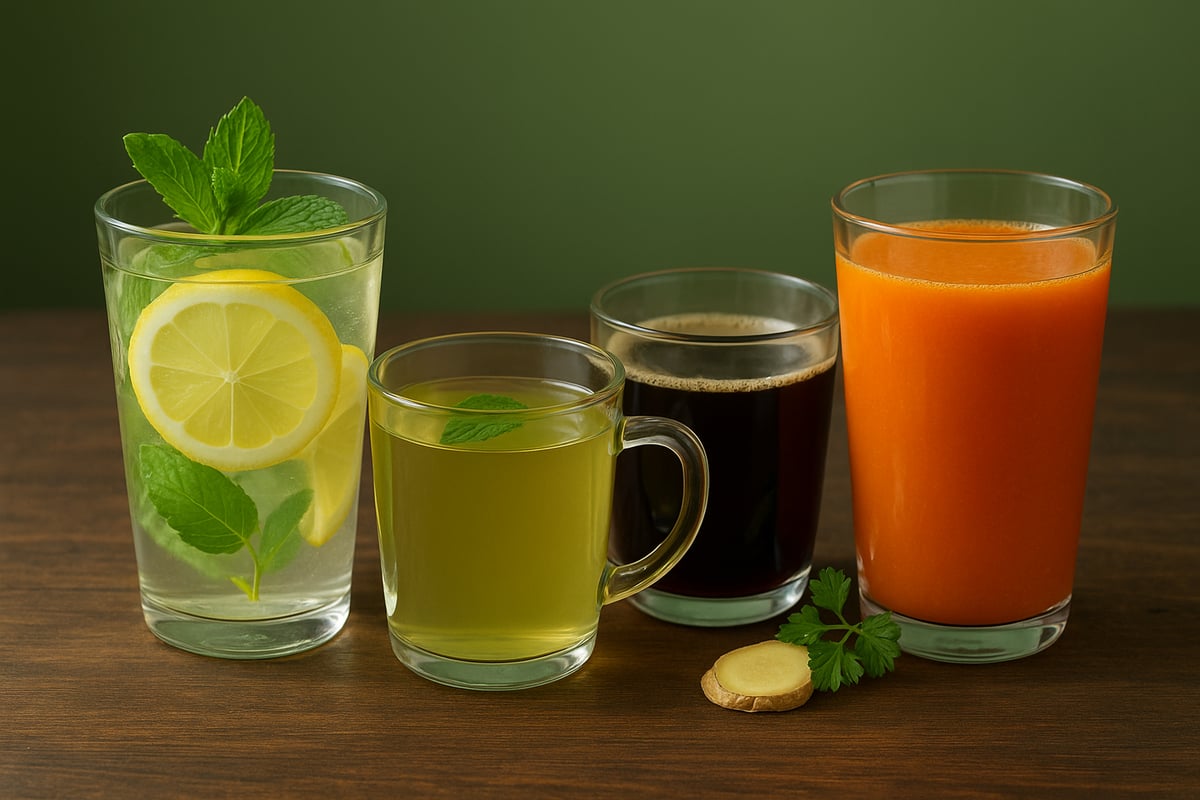
The physiological effects of weight loss drinks are multifaceted. Non-caloric beverages, such as water and unsweetened teas, can promote satiety by increasing gastric volume, which may lead to reduced energy intake at subsequent meals. Studies indicate that consuming water before meals enhances fullness, partly mediated by slower gastric emptying and modulation of appetite-regulating hormones like ghrelin and peptide YY.
Caffeinated drinks, including green tea and black coffee, may modestly increase metabolic rate through thermogenic effects. These beverages contain bioactive compounds, such as catechins and caffeine, which can stimulate energy expenditure and fat oxidation. However, these effects are typically small and should be considered supportive rather than primary drivers of weight change.
Caloric vs. Non-Caloric Beverages: Energy Balance and Guidelines
The choice between caloric and non-caloric beverages significantly impacts energy balance. Caloric beverages, especially sugar-sweetened drinks, are associated with higher total daily energy intake. Systematic reviews from the WHO and NIH confirm a direct link between regular consumption of sugar-sweetened beverages and increased risk of weight gain and obesity.
In contrast, replacing caloric beverages with low-calorie or non-caloric alternatives is associated with reduced energy intake and improved weight outcomes. A recent meta-analysis on sugar-sweetened beverages and weight gain found that both children and adults who reduced sugar-sweetened beverage intake experienced significant reductions in weight gain over time, underscoring the importance of beverage selection in weight management.
Hydration, Appetite Hormones, and Structured Interventions
Adequate hydration plays a key role in regulating appetite and supporting metabolic health. Evidence suggests that water and other non-caloric weight loss drinks influence the secretion of appetite hormones, contributing to lower subjective hunger and reduced caloric consumption. Randomized controlled trials have demonstrated that incorporating pre-meal water or low-calorie beverages into structured weight loss interventions can enhance adherence and support greater weight reduction compared to calorie restriction alone.
Risks of Sugar-Sweetened Beverages and Benefits of Substitution
The potential risks of sugar-sweetened beverages extend beyond excess caloric intake. Regular consumption is linked to increased visceral fat, impaired glucose metabolism, and higher risk of metabolic syndrome. Substituting these drinks with weight loss drinks, such as infused water or unsweetened teas, provides a practical and evidence-based strategy for improving dietary quality and supporting sustainable weight management.
Quantitative Evidence and Research Limitations
Peer-reviewed studies consistently show that beverage-based interventions can contribute to modest but meaningful reductions in body weight. For example, trials that replaced sugar-sweetened beverages with water or unsweetened options reported average weight loss differences ranging from 1 to 2 kg over 12 to 24 weeks. However, the magnitude of benefit varies based on population characteristics, baseline beverage habits, and intervention duration.
It is important to recognize that most studies are limited by heterogeneity in participant demographics and short follow-up periods. Therefore, while current evidence supports the inclusion of weight loss drinks as part of a comprehensive strategy, long-term effects and optimal implementation methods require further investigation.
7 Refreshing Weight Loss Drinks to Try in 2026
Choosing the right beverages can meaningfully support evidence-based weight management. Here, we present seven refreshing weight loss drinks, each grounded in clinical research, with a focus on physiological mechanisms, preparation, and practical application for 2026.
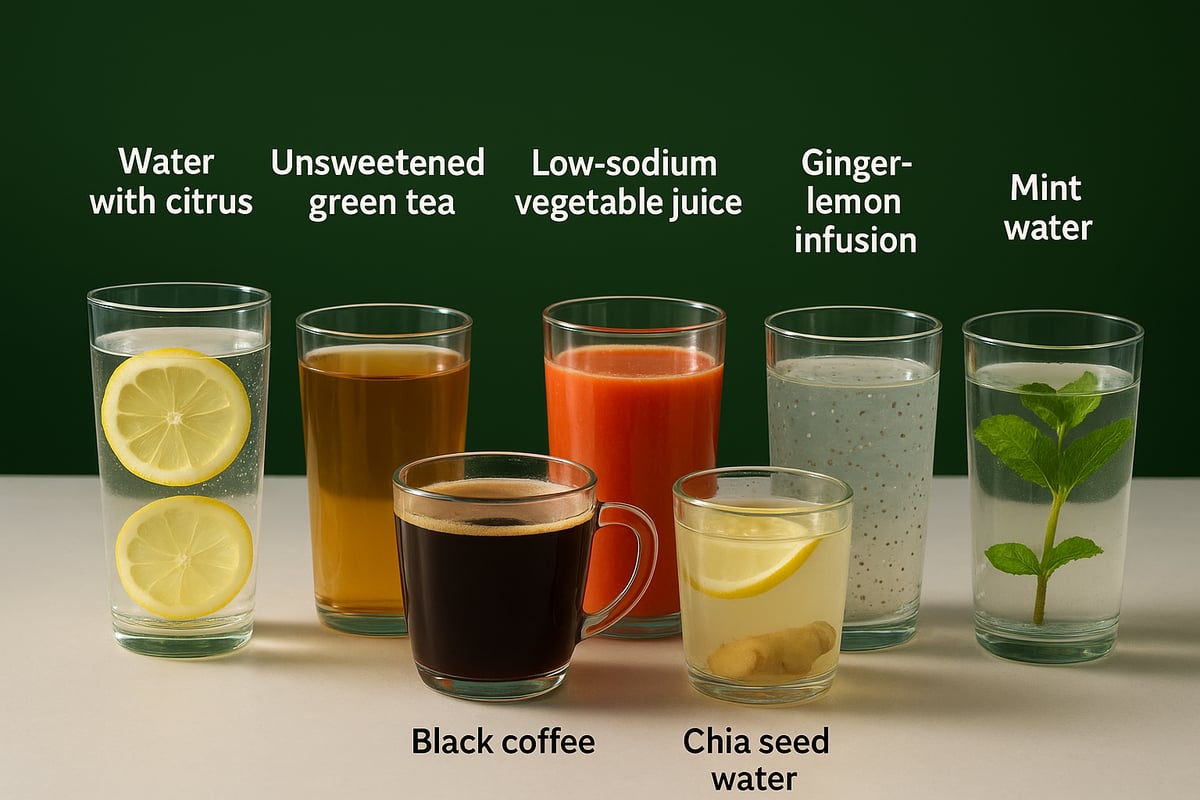
1. Water with Citrus Infusion
Mechanism:
Water with citrus infusion operates as one of the most accessible weight loss drinks. Hydration supports satiety and may modestly increase metabolism. Clinical studies demonstrate that consuming water before meals increases fullness and reduces subsequent caloric intake, providing a simple tool for calorie control.
Evidence Summary:
A pivotal 12-week randomized controlled trial (Dennis et al., Obesity, 2010) found that overweight adults who drank 500 ml of water before each meal lost significantly more weight than those who did not. The primary mechanism was reduced caloric intake, not direct thermogenesis.
Preparation:
Add several slices of fresh lemon, lime, or orange to a jug of filtered water. Allow the infusion to sit for 10–30 minutes to enhance flavor. Serve chilled or at room temperature.
Practical Implications:
As a calorie-free and widely tolerated option, water with citrus fits seamlessly into most structured weight loss drinks regimens. It is accessible and requires minimal preparation.
Limitations:
The main benefit derives from replacing higher-calorie beverages, rather than any direct thermogenic effect. Individuals with gastroesophageal reflux may experience symptom exacerbation from citrus.
Safety:
Generally safe for all populations, except those with citrus allergies or severe reflux.
Key Takeaway:
Water with citrus infusion is a foundational element among weight loss drinks, supporting hydration and satiety in a practical, evidence-based way.
2. Unsweetened Green Tea
Mechanism:
Unsweetened green tea is rich in catechins and contains moderate caffeine. These compounds may promote thermogenesis and increase fat oxidation, contributing to weight management.
Evidence Summary:
Meta-analyses, including a 2020 systematic review on green tea and weight loss, report that regular green tea consumption leads to modest but statistically significant reductions in body weight and body mass index. Hursel et al. (Int J Obes, 2011) found an average additional weight loss of 1.3 kg over 12 weeks in green tea groups compared to controls.
Preparation:
Steep 1–2 teaspoons of green tea leaves in hot water (80–85°C) for 2–3 minutes. Avoid sugar or caloric sweeteners to maximize the benefits of weight loss drinks.
Practical Implications:
Green tea can be consumed hot or cold, making it versatile. It is suitable for individuals seeking a mild caffeine source that aligns with evidence-based weight loss drinks.
Limitations:
The observed effect size is small, and green tea should be considered an adjunct to comprehensive lifestyle interventions.
Safety:
Monitor for caffeine sensitivity and potential medication interactions. Limit intake to avoid excessive caffeine consumption.
Key Takeaway:
Regular, unsweetened green tea is supported by systematic reviews as a modestly effective choice among weight loss drinks, especially when incorporated into a calorie-controlled diet.
3. Black Coffee (Plain, No Sugar)
Mechanism:
Black coffee, when consumed plain, utilizes caffeine to stimulate thermogenesis and suppress appetite temporarily. This contributes to increased energy expenditure, making it a candidate for weight loss drinks.
Evidence Summary:
Systematic reviews and a foundational study by Astrup et al. (Am J Clin Nutr, 1990) indicate that caffeine intake increases metabolic rate and reduces perceived appetite in the short term. These effects may facilitate negative energy balance in structured dietary plans.
Preparation:
Brew coffee using filtered water and freshly ground beans. Serve plain, without sugar, cream, or flavored syrups to maintain the calorie-free profile essential for effective weight loss drinks.
Practical Implications:
Black coffee is widely available and may enhance alertness and cognitive function. It is an accessible addition to weight loss drinks routines.
Limitations:
Excessive intake may cause insomnia, palpitations, or gastrointestinal symptoms. Individual tolerance varies.
Safety:
Current guidelines recommend limiting caffeine to 400 mg per day for adults. Those with cardiovascular or gastrointestinal conditions should consult a healthcare provider.
Key Takeaway:
Plain black coffee provides short-term metabolic and appetite benefits as part of an evidence-based weight loss drinks strategy, though moderation is necessary.
4. Vegetable Juice (Low-Sodium)
Mechanism:
Low-sodium vegetable juice is nutrient-dense and low in calories. It increases satiety and micronutrient intake, making it a strategic component of weight loss drinks.
Evidence Summary:
RCTs, such as Champagne et al. (Nutr J, 2011), demonstrate that participants who included vegetable juice as part of a calorie-controlled diet lost more weight and improved their overall nutrient intake compared to controls.
Preparation:
Juice or blend non-starchy vegetables, such as tomatoes, celery, cucumbers, and leafy greens. Opt for homemade or low-sodium commercial varieties to minimize cardiovascular risk.
Practical Implications:
Vegetable juice can be consumed as a snack or pre-meal beverage, supporting increased vegetable intake within weight loss drinks regimens.
Limitations:
Commercial options often contain excess sodium. Homemade versions are preferred for optimal health outcomes.
Safety:
Monitor sodium intake, particularly for individuals with hypertension or cardiovascular disease.
Key Takeaway:
Low-sodium vegetable juice offers a practical, nutrient-rich addition to weight loss drinks, supporting satiety and improved diet quality.
5. Chia Seed Water
Mechanism:
Chia seed water leverages high soluble fiber content to increase satiety and slow gastric emptying. This may contribute to lower overall calorie intake, supporting the role of fiber-rich weight loss drinks.
Evidence Summary:
Clinical studies, including Nieman et al. (Nutr Res, 2009), suggest chia supplementation improves satiety markers, although significant weight loss effects have not been consistently observed in large trials.
Preparation:
Soak 1 tablespoon of chia seeds in 250 ml of water for 15–30 minutes. Add lemon or mint for flavor, if desired.
Practical Implications:
Chia seed water is suitable for individuals seeking increased fiber intake or improved glycemic control as part of a balanced weight loss drinks plan.
Limitations:
The effect size on weight loss is small, and large-scale RCTs are limited.
Safety:
Individuals with swallowing difficulties or esophageal disorders should exercise caution due to the gel-like consistency.
Key Takeaway:
Chia seed water is a well-tolerated, fiber-rich option among weight loss drinks, with benefits primarily in satiety and metabolic health.
6. Ginger-Lemon Herbal Infusion
Mechanism:
Ginger-lemon infusion may provide mild thermogenic and appetite-suppressing effects. Ginger also supports digestive comfort, making this drink a supportive choice among weight loss drinks.
Evidence Summary:
Systematic reviews (Maharlouei et al., Phytother Res, 2019) and randomized trials show ginger supplementation can reduce body weight and waist-to-hip ratio, though effects are modest.
Preparation:
Steep fresh ginger slices in hot water for 5–10 minutes. Add fresh lemon juice before drinking.
Practical Implications:
This caffeine-free beverage can be consumed throughout the day. It may also help alleviate mild nausea, adding value to structured weight loss drinks routines.
Limitations:
Weight reduction effects are small, and this drink should not replace standard therapies for obesity.
Safety:
Generally well-tolerated, but high doses of ginger may increase bleeding risk, especially in individuals on anticoagulant therapy.
Key Takeaway:
Ginger-lemon infusion offers a modest, evidence-based addition to weight loss drinks, with added digestive benefits.
7. Peppermint and Mint Water
Mechanism:
Peppermint and mint water may aid digestion and reduce bloating, indirectly supporting adherence to dietary interventions. Hydration is another key benefit, aligning with the goals of weight loss drinks.
Evidence Summary:
Direct evidence for weight loss is limited. However, small studies (McKay et al., Phytother Res, 2006) support the role of mint in improving gastrointestinal comfort, which may facilitate dietary compliance.
Preparation:
Steep fresh mint or peppermint leaves in cold or hot water for 10–15 minutes. Serve chilled for a refreshing experience.
Practical Implications:
This non-caffeinated beverage is appropriate for all ages and can be consumed throughout the day as part of a weight loss drinks regimen.
Limitations:
There is a lack of direct RCT evidence for weight loss. Benefits are primarily supportive.
Safety:
Individuals with gastroesophageal reflux may experience symptom exacerbation and should monitor tolerance.
Key Takeaway:
Peppermint and mint water is a supportive, hydrating choice among weight loss drinks, particularly for those seeking improved digestive comfort.
Practical Considerations and Preparation Tips for Weight Loss Drinks
Selecting and preparing weight loss drinks with care is essential for maximizing their benefits and ensuring safety. Evidence-based guidelines support specific methods for preparation, timing, and incorporation into daily routines. Below, we outline key strategies, safety considerations, and limitations to help readers make informed decisions about weight loss drinks.
Evidence-Based Preparation Methods
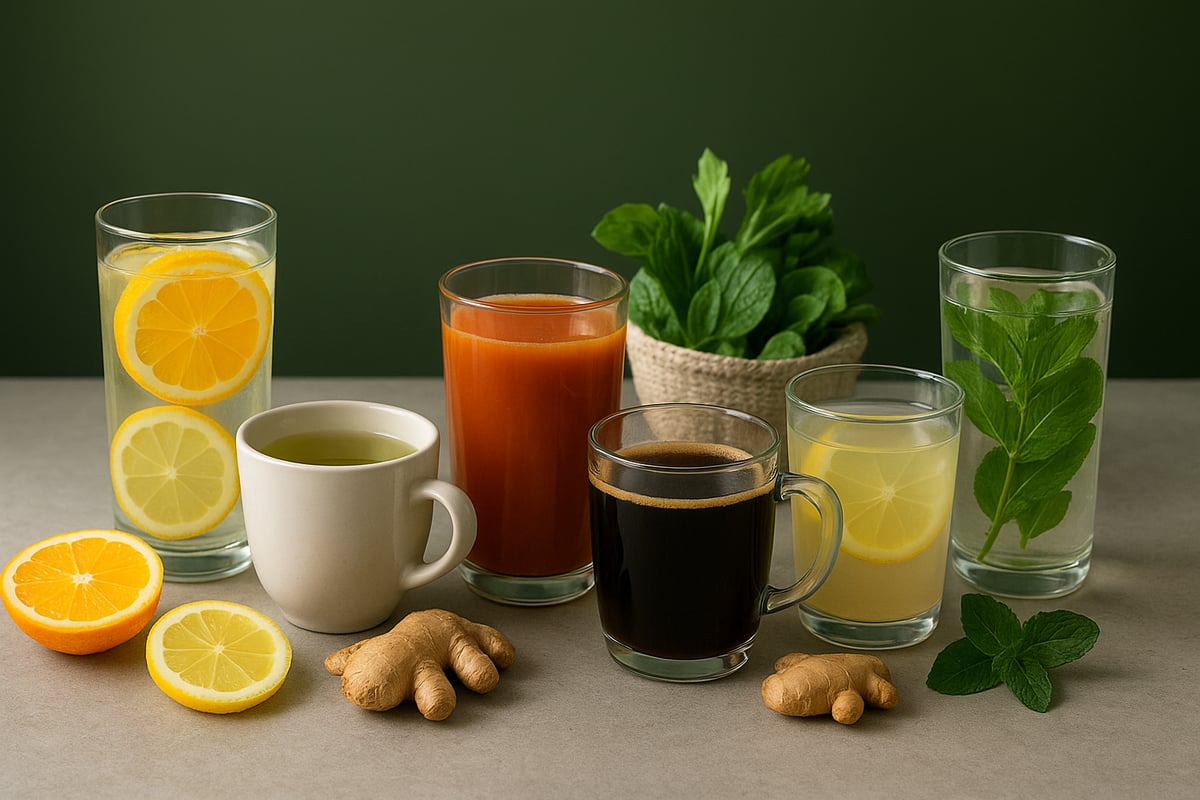
Proper preparation of weight loss drinks begins with safe, hygienic handling of all ingredients. Wash fresh produce thoroughly to remove contaminants. Use filtered or boiled water when possible for optimal safety. For beverages like green tea or herbal infusions, steep leaves or roots at recommended temperatures to preserve active compounds.
Avoid adding sugars, syrups, or high-calorie creamers, as these reduce the effectiveness of weight loss drinks. Opt for natural flavorings such as lemon, mint, or spices. Store prepared drinks in clean, airtight containers in the refrigerator, and consume within 24 hours to maintain nutrient stability.
For additional inspiration and evidence-based recipes, refer to Weight-Loss Friendly Recipes, which align with clinical recommendations for calorie control and nutrient balance.
Integrating Weight Loss Drinks into Daily Routines
To optimize the benefits of weight loss drinks, clinical studies suggest consuming certain beverages, such as water or vegetable juice, before meals to enhance satiety and reduce overall caloric intake. Incorporate drinks into structured meal plans, using them as snacks or meal accompaniments to support hydration and appetite regulation.
Address barriers such as flavor fatigue by rotating different options throughout the week. Prepare drinks in advance for convenience, and keep ingredients easily accessible. Integrating weight loss drinks into daily routines can improve adherence to evidence-based dietary interventions and support long-term weight management.
Safety, Contraindications, and Monitoring
While weight loss drinks are generally safe for most individuals, it is important to consider specific contraindications. Those sensitive to caffeine should limit intake of green tea or coffee. People with gastrointestinal disorders may need to avoid citrus, ginger, or chia seeds. Monitor for symptoms such as reflux, palpitations, or digestive discomfort.
Consult a healthcare professional before starting new weight loss drinks, particularly if you have underlying medical conditions or take medications. Regular monitoring for adverse effects ensures that the chosen beverages remain appropriate and beneficial over time.
Limitations of Beverage-Based Weight Loss Strategies
Although weight loss drinks can provide modest support for weight management, their effect sizes in clinical trials are generally small. Most evidence indicates that these beverages are most effective when combined with a comprehensive approach, including dietary changes and regular physical activity.
Long-term outcome data for many weight loss drinks remain limited, and individual responses may vary. We recommend using evidence-based drinks as adjuncts, not replacements, for established weight loss strategies. For a deeper understanding of the science behind beverage choices, consult the systematic review on low- and no-calorie sweetened beverages and obesity risk.
Frequently Asked Questions: Weight Loss Drinks and Scientific Evidence
Curious about the science behind weight loss drinks? Below, we address frequent questions using evidence from peer-reviewed research and leading clinical guidelines.

Common Questions About Weight Loss Drinks
| Question | Evidence-Based Answer |
|---|---|
| Are weight loss drinks effective for fat reduction? | Clinical studies suggest certain drinks can support weight loss, mainly by promoting satiety, increasing hydration, or providing mild metabolic benefits. Effects are generally modest unless combined with dietary and activity changes. |
| Are detox drinks necessary for weight loss? | There is no scientific evidence supporting detox drinks for fat loss. Most commercial detox beverages lack clinical validation. |
| Can these drinks replace meals or medications? | No, weight loss drinks should not replace balanced meals or prescribed medications. They may assist as part of a structured plan. |
| Are there risks with regular consumption? | Some drinks, like caffeinated options, may cause side effects in sensitive individuals. It is important to consider personal health status and consult a professional if unsure. |
| What do official guidelines say? | Organizations such as the NHS and CDC recommend focusing on calorie control, healthy hydration, and limiting sugar-sweetened beverages. For foundational information, visit Understanding Obesity and Weight Loss. |
Key Takeaways
Weight loss drinks can play a supportive role in structured weight management plans. However, clinical evidence consistently shows that effects are modest. Most benefits result from replacing high-calorie beverages and increasing hydration.
It is important to distinguish between evidence-based drinks and commercial products that promise rapid results without supporting data. For those encountering a plateau, consider reviewing Overcoming Weight Plateaus to optimize your strategy.
Always consult official guidelines and healthcare professionals before making significant changes. Ultimately, long-term success depends on comprehensive lifestyle modifications, not on weight loss drinks alone.
As you explore these seven evidence-based drinks for weight loss, you’re already taking a proactive step toward better health. We know that real change goes beyond what’s in your glass—it’s about making informed choices and building habits that last. If you’re ready to take the next step and want a clear, structured approach grounded in science and clinical expertise, I invite you to discover a structured, evidence-based metabolic course. You’ll find practical guidance and support to help you reach your goals, all backed by the latest research and doctor-led insights.
