
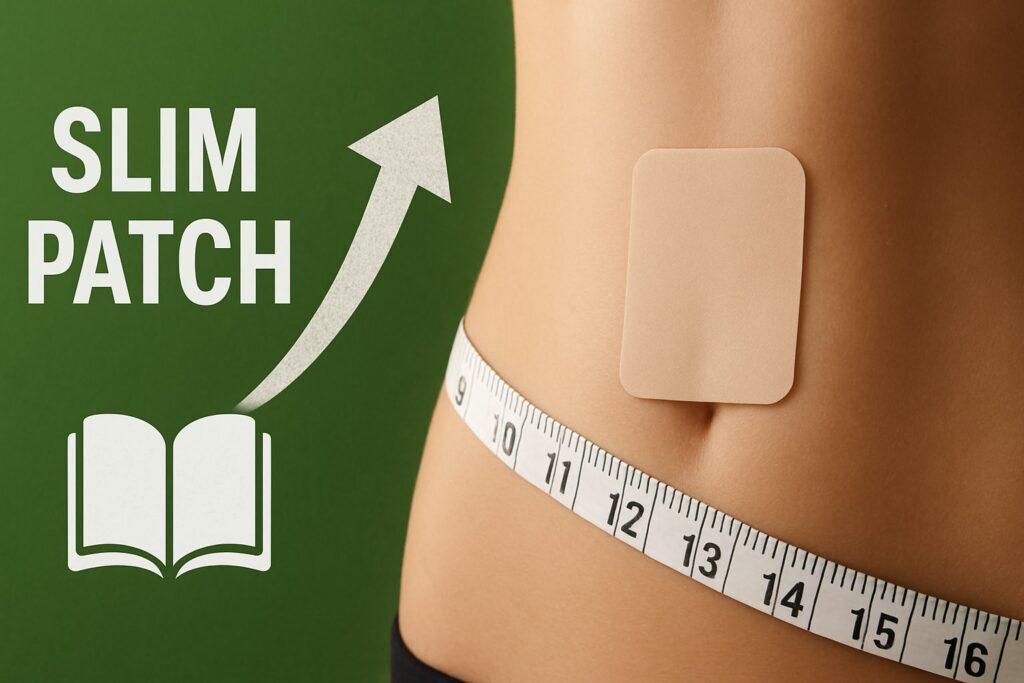
Interest in non-oral weight management solutions is rapidly increasing as we approach 2026. Among these, the slim patch stands out for individuals seeking alternatives to traditional pills and supplements.
Transdermal delivery methods are gaining attention due to their convenience and potential benefits. However, there remains a significant need for medically rigorous, evidence-based guidance regarding their use, safety, and effectiveness.
In this article, we provide a comprehensive guide on slim patch mechanisms, the current state of clinical evidence, practical application steps, documented benefits and limitations, and key safety considerations. We aim to equip readers with the information needed to make informed decisions about this evolving approach to weight management.
Understanding Slim Patches: Definition and Mechanism
Interest in the slim patch as a weight management intervention is increasing. To make informed decisions, it is essential to understand the definition, mechanisms, ingredients, and regulatory landscape of these products. We provide a comprehensive overview below, focusing on evidence-based information and practical implications.
Definition and Classification
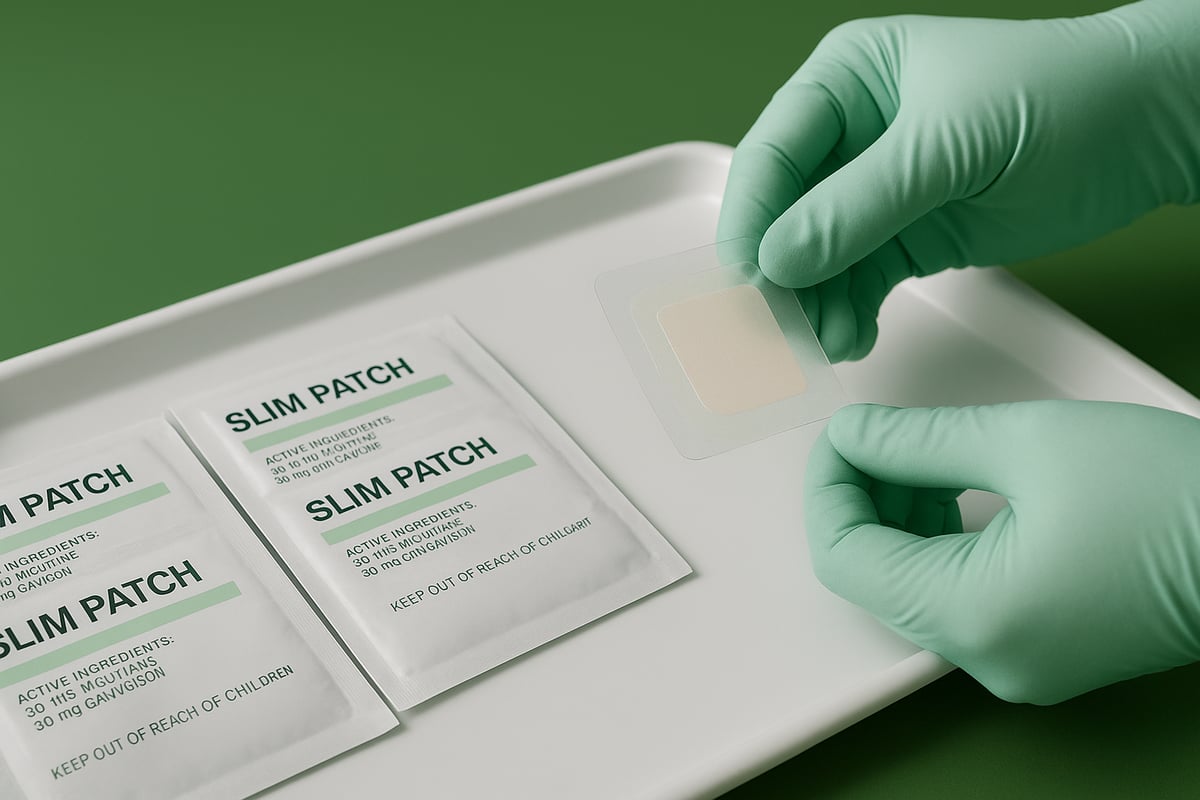
A slim patch is defined as a transdermal delivery system designed to administer active ingredients through the skin for weight management purposes. These patches are classified based on their active compounds, which may include herbal extracts, pharmaceutical agents, or metabolic modulators. Unlike topical creams or oral supplements, the slim patch aims to provide steady absorption over time, thereby potentially improving adherence and reducing gastrointestinal effects.
The distinction between slim patch formulations and other weight loss interventions lies in delivery route and ingredient composition. Some patches contain single agents, while others combine multiple actives to target different metabolic pathways. Accurate classification is crucial for evaluating clinical relevance and potential risks.
Mechanism of Transdermal Delivery
Slim patch products utilize the principles of transdermal absorption, where active molecules cross the stratum corneum into systemic circulation. The skin’s permeability is influenced by molecular size, lipid solubility, and the integrity of the application site. Pharmacokinetic studies show that transdermal administration bypasses the gastrointestinal tract, avoiding first pass metabolism and potentially increasing systemic bioavailability for certain agents.
The absorption rate of a slim patch can be affected by skin hydration, temperature, and regional blood flow. Compared to oral routes, transdermal delivery may result in more consistent plasma concentrations, though efficacy depends on ingredient properties and formulation technology.
Common Active Ingredients
Most slim patch formulations contain a combination of ingredients with purported weight management effects. Commonly used actives include caffeine, green tea extract, capsaicin, garcinia cambogia, and, in some cases, GLP 1 analogs. Peer reviewed studies on transdermal delivery of these compounds show variable results. For example, caffeine and capsaicin have demonstrated systemic absorption and mild thermogenic effects, but clinical impact on weight is limited.
Green tea extract and garcinia cambogia are more commonly studied in oral form, with less data supporting their effectiveness via a slim patch. Human trials remain limited, and more research is needed to confirm efficacy.
Regulatory Status and Safety Oversight
Slim patch products are subject to regulatory oversight that varies by jurisdiction. In the United States, the Food and Drug Administration (FDA) may classify these patches as medical devices or dietary supplements, depending on claims and ingredients. The European Medicines Agency (EMA) and the UK’s MHRA have similar frameworks. Regulatory scrutiny focuses on ingredient disclosure, standardization, and quality control. For more details, see FDA’s guidance on weight-loss and weight-management devices.
Consumers should note that some slim patch products are marketed without adequate clinical data or post market surveillance. This increases the importance of reviewing regulatory status and manufacturer transparency before use.
Target Population and Intended Use
The slim patch is primarily marketed to adults with overweight or obesity seeking alternatives to oral medications or supplements. Intended use is limited to external application, and patches should not be applied to broken or inflamed skin. Contraindications include pregnancy, lactation, known allergies to patch ingredients, and pre existing dermatological conditions.
Current safety data do not support the use of slim patch products in pediatric or geriatric populations without medical supervision. Clinical guidelines recommend individualized assessment before use.
Examples of Commercially Available Patches
Several slim patch products are commercially available, with published ingredient lists that typically include herbal extracts, caffeine, and metabolic agents. Some patches claim to incorporate pharmaceutical compounds, although regulatory approvals for such use are limited. A few brands have conducted small clinical studies to evaluate safety and efficacy, but results are often preliminary and not peer reviewed.
Consumers should verify that the slim patch they consider purchasing discloses all ingredients and adheres to relevant regulatory standards. Independent verification and third party testing can further ensure product quality.
Comparison with Other Weight Loss Modalities
When comparing the slim patch to oral supplements, prescription medications, and behavioral interventions, several factors stand out. Transdermal patches may offer improved convenience and adherence due to once daily application and avoidance of gastrointestinal side effects. However, oral and injectable medications have more robust evidence supporting weight reduction.
Behavioral interventions, including dietary modification and physical activity, remain the cornerstone of weight management. The slim patch should be viewed as an adjunct rather than a replacement, given limitations in current clinical evidence and regulatory oversight.
Evidence Review: Clinical Efficacy and Safety
The clinical evaluation of slim patch interventions requires a critical review of systematic evidence, randomized trials, mechanistic research, safety profiles, regulatory actions, and the limitations inherent in available data. We examine the state of the science on slim patch efficacy and safety as of 2026.

Systematic Reviews and Meta-Analyses
Systematic reviews have synthesized available studies on the effectiveness of the slim patch for weight management. Most analyses report that evidence for clinically meaningful weight loss is limited and inconsistent. Many reviews highlight the heterogeneity of patch formulations, study populations, and outcome measures, which complicates direct comparisons.
A recurring theme in these reviews is the scarcity of high-quality, placebo-controlled trials. Meta-analyses often conclude that, while some studies suggest modest weight reduction, the overall certainty of evidence remains low. Most published reviews emphasize the need for standardized protocols and longer follow-up periods to assess the durability of slim patch effects.
Randomized Controlled Trials (RCTs)
Randomized controlled trials offer the most rigorous evidence for the efficacy of a slim patch. Available RCTs typically enroll adults with overweight or obesity and assess outcomes such as weight change, body mass index, and waist circumference over periods ranging from several weeks to a few months.
Results from these trials are mixed. Some report small but statistically significant reductions in weight compared to placebo, while others find no meaningful difference. Variability in active ingredients, patch technology, and adherence rates further limit generalizability. Most RCTs also note that observed changes are modest relative to those achieved by established pharmacotherapies or intensive lifestyle interventions.
Mechanistic and Pharmacodynamic Studies
Mechanistic research explores how a slim patch delivers active compounds through the skin and into systemic circulation. Studies using in vitro skin models and animal systems have characterized absorption rates, bioavailability, and metabolic fate of common ingredients such as caffeine and capsaicin.
Pharmacokinetic analyses reveal that transdermal delivery can bypass hepatic first-pass metabolism, potentially increasing systemic exposure to some agents. However, skin permeability varies widely among individuals, and not all compounds are suitable for effective transdermal administration. Comparative studies suggest that absorption and plasma concentrations from a slim patch may be lower and more variable than oral dosing for many active agents.
Adverse Effects and Safety Profile
The safety profile of the slim patch is characterized primarily by dermatological reactions. The most frequently reported adverse effects include localized skin irritation, erythema, pruritus, and, less commonly, allergic contact dermatitis.
Systemic side effects are rare, given the relatively low systemic absorption of most ingredients. However, case reports document rare instances of tachycardia or gastrointestinal symptoms, particularly with patches containing stimulants. Most RCTs report low discontinuation rates due to adverse events, but longer-term safety data for the slim patch remain limited.
Regulatory Warnings and Consumer Safety Alerts
Regulatory agencies have issued warnings concerning the marketing and safety of slim patch products. The US Federal Trade Commission has taken action against companies making unsupported claims regarding the efficacy of weight-loss patches. According to the Federal Trade Commission’s stance on weight-loss patches, there is insufficient scientific evidence to substantiate most weight-loss claims.
Consumer safety alerts often highlight issues such as undisclosed ingredients, contamination, and lack of standardization. The absence of rigorous regulatory oversight in some markets increases the risk of exposure to untested or adulterated products. Consumers are cautioned to verify product legitimacy and report adverse reactions.
Limitations of Current Evidence
Current evidence for the clinical efficacy of the slim patch is constrained by methodological limitations. Most studies are small, of short duration, and often lack blinding or adequate control groups. The prevalence of non-peer-reviewed reports and anecdotal marketing claims further clouds the scientific landscape.
Long-term outcomes, including maintenance of weight loss and potential for rebound, are rarely assessed. The absence of head-to-head trials with established weight management therapies restricts our ability to contextualize the clinical value of the slim patch. Future research should prioritize larger, longer, and more rigorously designed studies.
Key Takeaways from Evidence
In summary, systematic reviews and controlled trials indicate that the slim patch may offer modest weight reduction in select populations, but the certainty and durability of these effects remain uncertain. Safety profiles are generally favorable, with local skin reactions being the most common adverse events.
Regulatory agencies have challenged unsupported claims, underscoring the importance of evidence-based use. Ongoing research and stricter regulatory standards are needed to define the true clinical utility of the slim patch. Consumers and clinicians should approach these interventions with cautious optimism, pending more robust data.
Step-by-Step Guide: Safe and Effective Use of Slim Patches
Using a slim patch requires careful attention to evidence-based procedure and safety. We outline each step to help users maximize potential benefits and minimize risks.
Step 1: Selection of Appropriate Product
Selecting the right slim patch is essential for safety and efficacy. We recommend reviewing the ingredient list in detail, ensuring all components are clearly disclosed. Look for evidence of regulatory oversight, such as registration with the FDA, EMA, or MHRA, as this may indicate adherence to safety standards.
It is advisable to choose products from reputable manufacturers with transparent quality control processes. Consulting a healthcare professional before starting any slim patch is strongly recommended, especially for individuals with comorbidities or those taking other medications.
Step 2: Skin Preparation
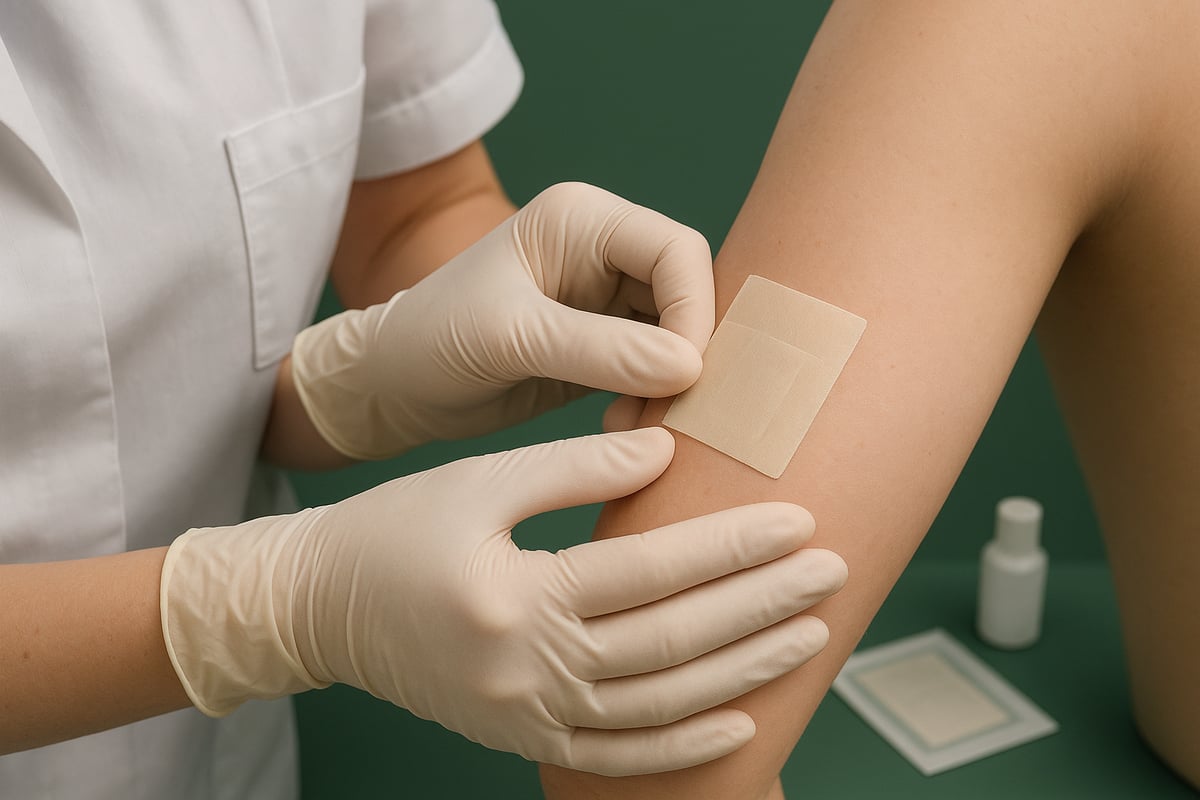
Proper skin preparation can influence the absorption and effectiveness of a slim patch. Select an application site that is clean, dry, hairless, and free from cuts or irritation. Common recommended areas include the upper arm, abdomen, or thigh.
Before applying the slim patch, gently cleanse the site with mild soap and water, then dry thoroughly. Avoid using lotions or oils on the area, as these can interfere with the adhesive and absorption.
Step 3: Application Procedure
Applying the slim patch correctly helps ensure optimal delivery of active ingredients. Begin by washing your hands and removing the protective backing carefully, avoiding contact with the adhesive side.
Place the slim patch flat against the prepared skin, pressing firmly to ensure full contact. Follow manufacturer instructions regarding how long to wear each patch, as recommended durations can vary between products.
Step 4: Monitoring During Use
While using a slim patch, monitor the application site and your general health for any adverse reactions. Local effects may include redness, itching, or irritation. Systemic symptoms such as headache or dizziness should be reported to a healthcare provider.
When it is time to remove the slim patch, do so gently to avoid skin trauma. Clean the area with mild soap and water, then observe for any delayed reactions.
Step 5: Frequency and Duration of Use
Follow the product-specific dosing schedule for the slim patch. Most patches are designed for daily or multi-day use, but do not exceed the maximum recommended duration stated by the manufacturer.
Periodic evaluation by a healthcare professional is important to assess progress and monitor for potential side effects. Long-term use without supervision is not advised.
Step 6: When to Discontinue or Seek Medical Advice
Discontinue the slim patch immediately if you experience persistent rash, swelling, blistering, or systemic symptoms such as fever or difficulty breathing. These may indicate an allergic reaction or intolerance.
Seek prompt medical advice if unexpected effects occur, or if there is uncertainty regarding the safety of continued use. Documentation of adverse events is valuable for ongoing safety surveillance.
Step 7: Integration with Lifestyle Interventions
A slim patch should not replace established weight management strategies. Evidence consistently shows that dietary modification, increased physical activity, and behavioral support are foundational for effective weight loss.
Combining a slim patch with a structured program, such as those detailed in our Weight management program overview, may improve outcomes when guided by clinical best practices. Always align patch use with comprehensive, multidisciplinary care.
Potential Benefits: Evidence-Based Outcomes and Limitations
Understanding the potential benefits and limitations of a slim patch is essential for informed decision-making. Clinical evidence, mechanistic insights, and comparative analyses provide a comprehensive view of what users can realistically expect from these interventions.

Documented Benefits in Clinical Studies
Several randomized controlled trials and small-scale studies have explored the effects of a slim patch on weight parameters. Evidence suggests modest reductions in body weight and waist circumference in some populations, particularly when patches contain ingredients such as caffeine, green tea extract, or capsaicin.
For instance, meta-analyses have reported average weight reductions of 1-3 kg over 8-12 weeks of use, though effect sizes vary considerably. Most studies are limited by small sample sizes, short durations, and inconsistencies in outcome reporting. As summarized by Healthline’s overview of weight loss patches, current data do not support large or sustained effects, and results should be interpreted cautiously.
Mechanistic Rationale for Benefit
The theoretical benefits of a slim patch are based on transdermal delivery of compounds that may influence metabolism or appetite. Caffeine and green tea extract, for example, are proposed to enhance thermogenesis and fat oxidation. Capsaicin has been studied for its potential to increase energy expenditure.
Animal and in vitro studies support these mechanisms, but human data remain limited. The pharmacokinetics of transdermal absorption also differ from oral administration, potentially affecting systemic exposure and therapeutic effect.
Comparative Effectiveness to Other Modalities
When compared with oral supplements or prescription medications, a slim patch generally offers greater convenience and eliminates gastrointestinal side effects. However, clinical trials indicate that efficacy is typically lower than pharmacotherapies such as orlistat or GLP-1 agonists.
Behavioral interventions and lifestyle changes remain the foundation of effective weight management. Cost-effectiveness analyses suggest that slim patches may be less favorable than established medical treatments, especially when considering long-term outcomes.
Limitations and Variability of Response
Response to a slim patch varies significantly between individuals. Factors such as age, sex, skin integrity, comorbidities, and concurrent medications can influence both absorption and effectiveness.
Dermatological conditions, such as eczema or psoriasis, may reduce patch adherence or increase irritation risk. Additionally, individuals with higher body mass indices may experience reduced absorption due to altered skin permeability.
Placebo Effect and Expectation Bias
Placebo effects are well documented in weight loss research, including studies involving a slim patch. User expectations and motivation can lead to subjective improvements, even in the absence of active ingredients.
Blinded trials reveal that behavioral changes adopted during study participation may contribute more to outcomes than the patch itself. This highlights the importance of rigorous study design and objective endpoints in evaluating efficacy.
Long-Term Outcomes and Sustainability
There is a paucity of data on the sustainability of weight loss achieved with a slim patch. Most trials are short-term, ranging from a few weeks to several months, with few assessing post-use maintenance.
Rebound weight gain is a concern when adjunctive therapies are discontinued, particularly without concurrent lifestyle modification. No studies have demonstrated durable results beyond the intervention period.
Summary Table: Benefits and Limitations
| Aspect | Documented Benefits | Limitations and Evidence Grade |
|---|---|---|
| Weight reduction | Modest (1-3 kg) in short-term trials | Low, short duration, small samples |
| Waist circumference | Small decreases reported | Inconsistent findings |
| Metabolic markers | Limited or no significant change | Few studies, low certainty |
| Convenience | Non-oral, easy to use | Potential for skin irritation |
| Long-term outcomes | Not established | No long-term data |
Current evidence indicates that a slim patch may offer modest short-term benefits for select individuals. Limitations in study quality, duration, and sample size preclude firm conclusions about their role in sustainable weight management.
Practical Considerations: Safety, Contraindications, and Regulatory Perspective
Ensuring the safe use of any slim patch requires a thorough understanding of both clinical evidence and regulatory oversight. We must consider individual risk factors, product quality, and the legal landscape before recommending or using these interventions.
Safety in Special Populations
When evaluating a slim patch for weight management, special populations demand heightened caution. Current evidence indicates that use during pregnancy or lactation is contraindicated, as transdermal absorption may expose the fetus or infant to active ingredients. Pediatric and geriatric populations also present unique risks due to differences in skin permeability and metabolic processing.
Individuals with dermatological conditions, such as eczema or psoriasis, are at increased risk of local adverse reactions. Those with systemic illnesses, including hepatic or renal impairment, may experience altered pharmacokinetics. Always review the label and consult clinical guidelines before recommending a slim patch for these groups.
Drug and Supplement Interactions
A slim patch may interact with other medications or supplements, especially those affecting hepatic enzymes or skin integrity. Compounds like caffeine or capsaicin, commonly found in patches, can potentiate effects of stimulants or antihypertensive drugs. Polypharmacy increases the risk of unpredictable systemic interactions due to altered absorption profiles.
Healthcare providers should conduct a thorough medication review before initiating a slim patch. Patients should disclose all concurrent therapies, including over-the-counter and herbal supplements, to minimize adverse events. Ongoing monitoring is essential for those with complex medication regimens.
Quality Assurance and Product Authenticity
The marketplace for slim patch products is diverse, with variable regulation and quality control. Risks of counterfeit or adulterated products are significant, especially when purchasing from unverified sources. Authenticity and ingredient standardization are critical for safety and efficacy.
| Risk Factor | Impact | Mitigation |
|---|---|---|
| Counterfeit | Unknown composition, toxicity | Purchase from regulated sources |
| Poor labeling | Undisclosed ingredients | Verify full disclosure |
| Adulteration | Harmful additives | Seek third-party certification |
Consumers should seek products with transparent labeling, batch testing, and regulatory registration. Suspicious or unverified sellers should be avoided to reduce health risks associated with a slim patch.
Consumer Guidance and Healthcare Provider Role
Medical supervision remains essential in any weight management plan involving a slim patch. Healthcare providers offer expertise in risk assessment, product selection, and adverse event monitoring. We recommend integrating medical advice with product use, especially for those with underlying health conditions.
For broader context on clinical alternatives and adjunctive therapies, we suggest reviewing medical options for obesity. This resource details where a slim patch fits among evidence-based interventions and highlights the importance of individualized care.
Regulatory Classification and Oversight
Slim patch products are classified variably across jurisdictions. In the United States, the FDA may regulate patches as medical devices or dietary supplements, depending on ingredients and claims. The European Medicines Agency (EMA) and the UK’s MHRA apply similar frameworks, with stricter oversight for pharmaceutical agents.
Regulatory classification influences product claims, quality standards, and post-market surveillance. Lack of approval or registration often signals limited evidence or insufficient safety data. Consumers should verify regulatory status before use to ensure compliance and recourse in the event of adverse effects.
Ethical and Legal Considerations
Marketing of slim patch products raises ethical concerns, particularly regarding misleading claims and targeting of vulnerable populations. Regulatory bodies have issued warnings against unsubstantiated efficacy statements and inadequate disclosure of risks. Informed consent requires that users understand both potential benefits and limitations.
Legal recourse is limited for unregulated products, highlighting the need for consumer vigilance. We advise adherence to official guidance from agencies such as the FDA, EMA, and MHRA to safeguard against unethical practices and ensure informed decision-making.
Key Takeaways for Safe Use
- Confirm product authenticity and regulatory status before purchasing a slim patch.
- Consult healthcare professionals, especially for those with comorbidities or on multiple medications.
- Monitor for adverse reactions and discontinue use if concerning symptoms develop.
- Recognize that sustainable weight management relies on a comprehensive approach, not a single intervention. For further guidance, see sustainable weight loss strategies.
- Report any adverse events to regulatory authorities to contribute to post-market safety data.
Practical safety and regulatory considerations are foundational to the responsible use of any slim patch. Prioritizing evidence-based decision-making protects individual health and public trust.
Integrating Slim Patches into a Comprehensive Weight Management Plan
Effective weight management requires a holistic approach. While the slim patch offers an alternative for those seeking non-oral interventions, integration with established strategies is essential. Evidence consistently supports the importance of combining medical devices, such as the slim patch, with lifestyle, behavioral, and clinical interventions for optimal results.
The Role of Lifestyle Modification
Dietary changes and increased physical activity remain the foundation of any effective weight management plan. Major guidelines from organizations such as the WHO, NIH, and NICE consistently recommend structured lifestyle interventions as first-line therapy. The slim patch is considered an adjunct, not a replacement, for these evidence-based measures.
Understanding the causes of obesity explained can help tailor interventions, addressing both physiological and behavioral contributors. Incorporating the slim patch alongside calorie-controlled diets and regular exercise may provide additional support, but substantial weight loss is unlikely without concurrent lifestyle change.
Behavioral and Psychological Support
Long-term weight management often requires more than physical interventions. Behavioral therapy, motivational interviewing, and psychological support help individuals address habits, triggers, and emotional factors related to weight gain. Integrating the slim patch into a program that includes these elements may enhance adherence and outcomes.
Systematic reviews highlight that individuals who receive behavioral counseling, in addition to medical or device-based interventions such as the slim patch, are more likely to achieve and maintain clinically significant weight loss. Ongoing support groups and professional counseling can further reinforce positive changes.
Medical and Surgical Options
For individuals with obesity who do not achieve adequate results through lifestyle and adjunctive therapies, medical and surgical options may be considered. Pharmacologic agents like GLP-1 agonists and orlistat have demonstrated efficacy in clinical trials, with well-characterized safety profiles. Bariatric surgery remains the most effective intervention for severe obesity.
Compared with these approaches, the slim patch offers a non-invasive alternative, but current data suggest its effects are modest. Decision-making should be individualized, considering risks, benefits, and patient preferences. The slim patch may be suitable for those seeking non-systemic, low-risk adjuncts.
Monitoring and Outcome Assessment
Objective monitoring of weight, waist circumference, and metabolic parameters is crucial when integrating any intervention, including the slim patch, into a weight management plan. Regular follow-up with healthcare professionals enables timely identification of adverse events, assessment of efficacy, and adjustment of strategies.
Self-monitoring tools, such as food diaries and wearable devices, can complement professional assessments. When using the slim patch, tracking both subjective improvements and objective data ensures realistic expectations and evidence-based decision-making.
Patient Education and Informed Decision-Making
Patient-centered education is fundamental. Individuals considering the slim patch should be informed about potential benefits, limitations, and alternative therapies. Shared decision-making models, endorsed by clinical guidelines, encourage patients to weigh risks and preferences with their healthcare provider.
Resources that explain the underlying mechanisms and causes of obesity explained empower patients to make informed choices. Education on proper slim patch use, integration with lifestyle change, and recognition of adverse effects supports safety and efficacy.
Limitations of Adjunctive Therapies
Adjunctive therapies, including the slim patch, should not be viewed as standalone solutions. Current evidence indicates variability in individual response, and the magnitude of weight loss is generally less than that achieved with comprehensive behavioral or pharmacologic interventions.
Potential over-reliance on the slim patch may detract from essential lifestyle modifications. It is important to recognize that adjuncts can support, but not substitute, the core elements of weight management. Ongoing evaluation and adjustment of the comprehensive plan are recommended.
Future Directions and Research Needs
Research on transdermal delivery systems for weight management is ongoing. Larger, long-term clinical trials are needed to clarify the efficacy and safety profile of the slim patch. Studies such as the clinical study on transdermal nicotine and weight gain provide a framework for understanding how transdermal agents may affect metabolism and body weight.
Future research should also address optimal patient selection, combination strategies with behavioral interventions, and long-term outcomes following slim patch discontinuation. Participation in clinical studies may help advance understanding and improve care.
As you’ve seen throughout this guide, understanding slim patches requires careful attention to evidence, safety, and how these tools fit into your broader health journey. If you’re eager to move beyond quick fixes and want a structured, expert-led approach to sustainable weight management, I encourage you to take the next step. You don’t have to navigate the complexities of metabolic health alone—we’re here to empower and support you with real science and practical strategies.
Discover a structured, evidence-based metabolic course
and start building a healthier future, one informed decision at a time.
