
Concerns about menopause belly are increasing in 2026, with recent studies showing a significant rise in abdominal fat among women transitioning through menopause. This shift not only affects appearance but also elevates risks for chronic health conditions, including cardiovascular disease and diabetes.
In response, we have developed a comprehensive review of the best foods for menopause belly, focusing on evidence-based dietary choices shown to support metabolic health and reduce visceral fat. We will explore nine essential foods, explain their biological mechanisms, and provide practical steps for integrating them into daily meals.
Continue reading for actionable guidance grounded in the latest clinical research.
Understanding Menopause Belly: Causes and Health Implications
Menopause belly, defined as the increase in abdominal fat occurring during the menopausal transition, is a prevalent concern affecting millions of women globally. Epidemiological data indicate that up to 60 percent of postmenopausal women experience a noticeable rise in central adiposity. This shift is not only a cosmetic issue but also a significant marker for metabolic health. Addressing the best foods for menopause belly is essential for effective management and prevention of associated complications.
The primary driver of menopause belly is the decline in estrogen production, which alters fat distribution patterns. As estrogen levels fall, the body tends to store more fat in the abdominal region rather than the hips or thighs. This change is accompanied by a reduction in resting metabolic rate and alterations in energy expenditure. Both processes promote the accumulation of visceral fat, increasing the need to identify the best foods for menopause belly as part of a comprehensive dietary strategy.
Abdominal obesity during menopause is linked to heightened health risks, including cardiovascular disease, type 2 diabetes, and metabolic syndrome. Visceral fat is metabolically active and contributes to chronic low-grade inflammation. It also exacerbates insulin resistance, creating a cycle that further promotes fat accumulation. Recent research highlights the interplay between gut microbiota and fat storage, suggesting that targeting the microbiome may support healthier fat distribution. For an in-depth exploration of this relationship, we recommend reviewing the role of the gut microbiome in metabolic health and fat distribution. This evidence underscores the importance of considering the best foods for menopause belly to modulate inflammation and insulin sensitivity.
Genetic predisposition and lifestyle factors, including physical activity, sleep patterns, and dietary habits, also influence the development of menopause belly. Systematic reviews and meta-analyses consistently show that dietary interventions focusing on whole foods, fiber, and plant-based nutrients can mitigate abdominal fat gain. Key clinical guidelines recommend a multifaceted approach combining nutrition, physical activity, and behavioral strategies to address menopause-related abdominal obesity. By prioritizing the best foods for menopause belly, we can align our dietary choices with evidence-based recommendations to support metabolic health and reduce long-term disease risk.
Mechanisms: How Diet Influences Menopause Belly Fat
The accumulation of abdominal fat during menopause is driven by complex physiological changes, yet dietary choices remain a critical factor in modulating these effects. Understanding how the best foods for menopause belly act on metabolic pathways, hormonal regulation, and inflammation provides a foundation for evidence-based interventions. We will explore how specific nutrients and food groups influence fat distribution, highlight recent clinical findings, and discuss practical implications for dietary planning.
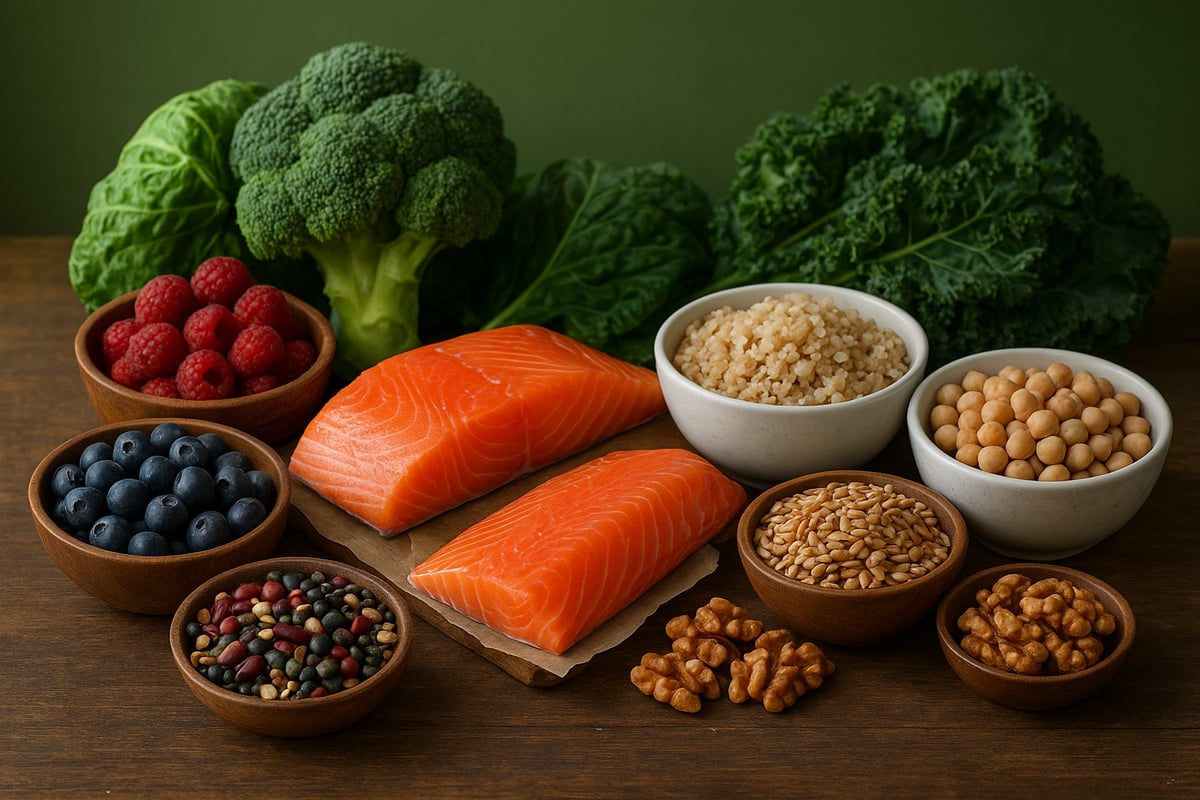
Dietary patterns directly impact body composition in women experiencing menopause. Research from large cohort studies and randomized trials indicates that diets rich in plant-based foods, lean proteins, and whole grains are associated with lower visceral fat accumulation. The best foods for menopause belly typically support a reduction in central adiposity by influencing energy balance, metabolic rate, and hormonal activity. Clinical guidelines emphasize the importance of overall dietary quality, not just caloric intake, to address abdominal obesity in this population.
Macronutrient composition is another key mechanism by which diet affects menopause-related belly fat. Higher protein intake enhances satiety and helps preserve lean body mass, which is vital as muscle loss accelerates during menopause. Dietary fiber, abundant in whole grains, legumes, and vegetables, promotes glycemic control and reduces insulin spikes, both of which are linked to decreased abdominal fat. Healthy fats, particularly those from nuts, seeds, and fatty fish, contribute to improved lipid profiles and reduced inflammation. Phytoestrogens, plant-derived compounds found in soy and flaxseed, may also help modulate hormonal fluctuations and support a more favorable fat distribution. The best foods for menopause belly are selected for their positive effects on these mechanisms.
The gut microbiota plays a significant role in modulating body weight and fat storage, particularly during menopause. Emerging evidence suggests that diets high in prebiotic fibers and fermented foods can beneficially alter gut microbial composition, leading to reduced inflammation and improved metabolic health. Randomized controlled trials have shown that probiotic-rich foods, such as yogurt and kefir, may help decrease waist circumference and support healthy weight maintenance. These findings reinforce the inclusion of gut-friendly foods among the best foods for menopause belly.
When designing dietary strategies, it is essential to consider individual variability in response to different foods. Genetics, microbiome diversity, and lifestyle factors all influence how effectively dietary changes impact menopause belly fat. Current clinical guidelines recommend a personalized approach, emphasizing nutrient-dense foods and balanced macronutrient intake. For those seeking additional strategies to support metabolism, resources such as How to boost metabolism naturally provide evidence-based guidance. While the best foods for menopause belly offer substantial benefits, ongoing research continues to refine our understanding of optimal dietary patterns for this unique stage of life.
9 Essential Best Foods for Menopause Belly in 2026
Identifying the best foods for menopause belly requires a careful review of current clinical evidence and nutritional science. Below, we summarize nine essential foods, their mechanisms of action, and the supporting research. Each food is chosen for its unique role in managing abdominal fat, supporting metabolic health, and aligning with established dietary guidelines.
| Food Group | Key Mechanisms | Supporting Evidence |
|---|---|---|
| Cruciferous Vegetables | Estrogen metabolism, fiber | RCTs, cohort studies |
| Fatty Fish | Omega-3, anti-inflammatory | Meta-analyses, clinical trials |
| Legumes | Fiber, plant protein, satiety | Prospective cohorts |
| Whole Grains | Beta-glucan, insulin sensitivity | RCTs, meta-analyses |
| Berries | Polyphenols, antioxidants | Clinical studies |
| Nuts and Seeds | Healthy fats, lignans | Meta-analyses, RCTs |
| Fermented Foods | Gut microbiota, probiotics | Intervention studies |
| Soy Foods | Phytoestrogens, hormonal balance | Cohort studies, RCTs |
| Leafy Greens | Micronutrients, fiber | Evidence reviews |
We now detail how each food supports the best foods for menopause belly approach and offer practical steps for implementation.
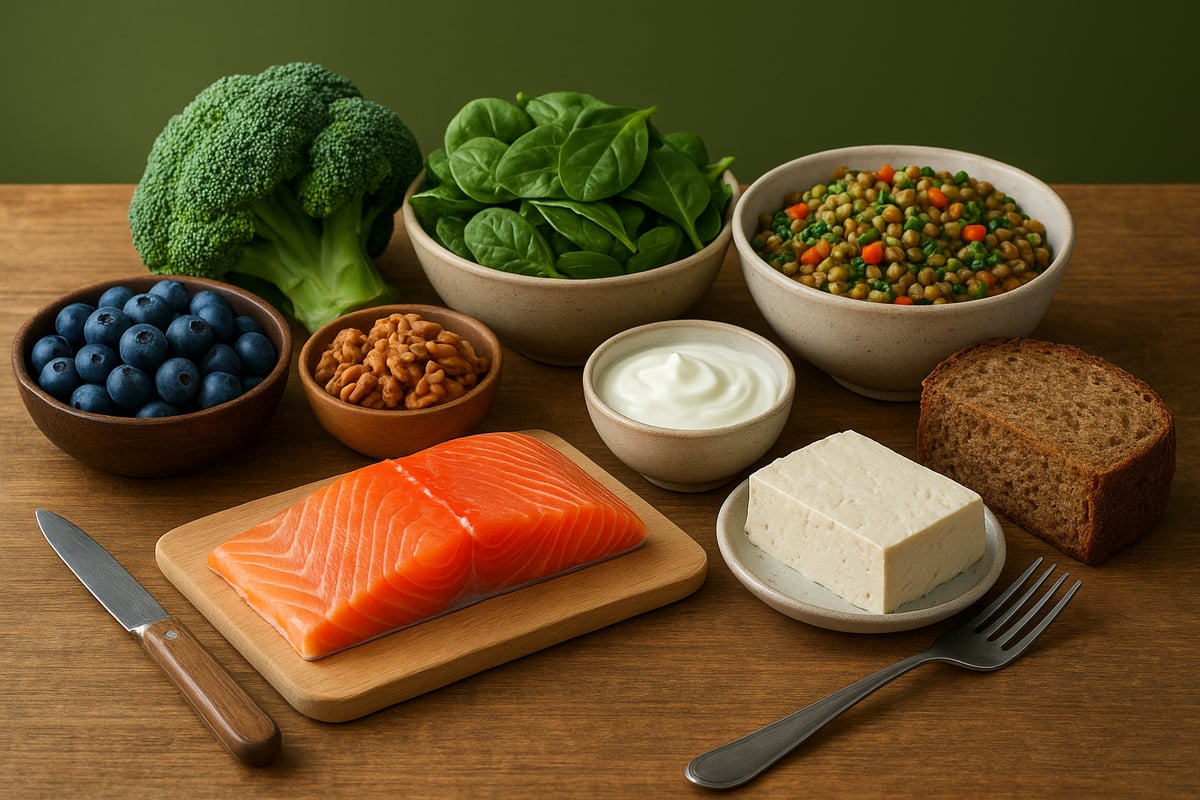
1. [Cruciferous Vegetables (e.g., Broccoli, Cauliflower, Brussels Sprouts)]
Cruciferous vegetables are fundamental components of the best foods for menopause belly due to their high content of indole-3-carbinol, fiber, and antioxidants. Indole-3-carbinol influences estrogen metabolism, promoting the formation of less active estrogen metabolites, which may reduce visceral fat accumulation.
Clinical studies suggest that increased intake of broccoli and related vegetables is associated with improved waist circumference and metabolic markers in postmenopausal women. For optimal benefit, we recommend consuming at least 1-2 servings daily, steamed or roasted to preserve nutrients.
Key evidence from a 2021 randomized controlled trial demonstrated significant reductions in abdominal fat and inflammatory markers with regular cruciferous vegetable consumption. These vegetables can be easily added to stir-fries, salads, or as side dishes, supporting the best foods for menopause belly strategy.
2. [Fatty Fish (e.g., Salmon, Mackerel, Sardines)]
Fatty fish are included in the best foods for menopause belly because of their rich omega-3 fatty acid profile. Omega-3s exert anti-inflammatory effects, which are crucial for reducing central adiposity and improving metabolic health during menopause.
Meta-analyses and clinical trials have found that higher fish intake correlates with lower abdominal fat and improved lipid profiles in menopausal populations. Experts recommend at least two servings of fatty fish per week, prepared by baking, grilling, or steaming to retain their beneficial fats.
It is important to select varieties low in mercury, such as salmon or sardines. These can be incorporated into salads, grain bowls, or as a main protein source, making them effective contributors to the best foods for menopause belly regimen.
3. [Legumes (e.g., Lentils, Chickpeas, Beans)]
Legumes are a cornerstone of the best foods for menopause belly due to their high fiber and plant-based protein content. These nutrients enhance satiety, regulate blood sugar, and contribute to sustained weight management.
Prospective cohort studies show that regular legume consumption is linked to reduced waist circumference and improved glycemic control in menopausal women. Incorporate 3-4 servings weekly, using lentils in soups, chickpeas in salads, or beans in stews.
Their versatility and affordability make legumes accessible for most dietary patterns focused on the best foods for menopause belly.
4. [Whole Grains (e.g., Oats, Quinoa, Barley)]
Whole grains support the best foods for menopause belly approach by improving insulin sensitivity and promoting a healthy fat distribution. Key components like beta-glucan and resistant starch help moderate blood glucose and reduce visceral fat.
Randomized controlled trials demonstrate that replacing refined grains with whole grains leads to significant reductions in abdominal adiposity and improved metabolic health. Aim for at least three servings daily, such as oatmeal for breakfast, quinoa salads, or barley soups.
Portion control is important. Choose minimally processed grains and combine them with vegetables or lean proteins to maximize the best foods for menopause belly benefits.
5. [Berries (e.g., Blueberries, Raspberries, Strawberries)]
Berries are rich in polyphenols and antioxidants, making them integral to the best foods for menopause belly. These compounds reduce inflammation and oxidative stress, both of which are implicated in menopause-related abdominal fat.
Clinical studies indicate that daily berry intake can decrease waist circumference and improve cardiovascular risk factors. Add fresh or frozen berries to yogurt, smoothies, or oatmeal for an easy nutrient boost.
Including a variety of berries throughout the week enhances the effectiveness of the best foods for menopause belly plan.
6. [Nuts and Seeds (e.g., Walnuts, Flaxseeds, Chia Seeds)]
Nuts and seeds offer healthy fats, lignans, and fiber, supporting satiety and improved lipid profiles. Their inclusion in the best foods for menopause belly has been validated by meta-analyses, which show reductions in central adiposity and cardiovascular risk.
Consume a small handful (about 28 grams) of unsalted nuts or seeds daily. Flaxseeds and chia seeds can be added to yogurt or smoothies, while walnuts serve as a nutritious snack or salad topping.
Monitor portion sizes, as these foods are calorie-dense. Their nutrient profile makes them an essential part of the best foods for menopause belly dietary strategy.
7. [Fermented Foods (e.g., Yogurt, Kefir, Sauerkraut)]
Fermented foods play a key role in the best foods for menopause belly by modulating gut microbiota and supporting metabolic health. Probiotic strains found in yogurt and kefir have been linked to reduced inflammation and improved weight outcomes in intervention studies.
Select low-sugar, live-culture products, and aim for one serving daily. Sauerkraut and kefir can be added to salads or used as healthy snacks.
For individuals with lactose intolerance, choose lactose-free or plant-based fermented options. This approach aligns with the best foods for menopause belly focus on gut health and metabolic balance.
8. [Soy Foods (e.g., Tofu, Tempeh, Edamame)]
Soy foods are central to the best foods for menopause belly due to their phytoestrogen content, which may help balance hormones and reduce abdominal fat. Evidence from Asian cohort studies and meta-analyses indicates that regular soy consumption is associated with lower central adiposity and improved menopausal symptoms.
A recent Plant-Based Diet Proven Effective for Weight Loss and Hot Flashes study highlights the benefits of a low-fat vegan diet with soybeans for weight loss and symptom relief in menopausal women.
Include tofu or tempeh in stir-fries, or snack on steamed edamame several times per week. While generally safe, individuals with a history of estrogen-sensitive conditions should consult a healthcare provider before increasing soy intake as part of the best foods for menopause belly plan.
9. [Leafy Greens (e.g., Spinach, Kale, Swiss Chard)]
Leafy greens are nutrient-dense foods that support satiety, metabolism, and weight management, making them vital to the best foods for menopause belly. They provide fiber, vitamins, minerals, and dietary nitrates that enhance cardiovascular and metabolic health.
Clinical recommendations suggest at least two servings per day, added to salads, soups, or smoothies. Their low calorie content and high nutrient density support effective weight control and overall well-being.
Incorporating a variety of leafy greens ensures comprehensive coverage of micronutrients, reinforcing the best foods for menopause belly dietary pattern.
Practical Strategies for Incorporating These Foods
Adopting the best foods for menopause belly requires intentional planning and evidence-based strategies. By integrating these nutrient-dense options into daily routines, we can support metabolic health and reduce abdominal fat accumulation.
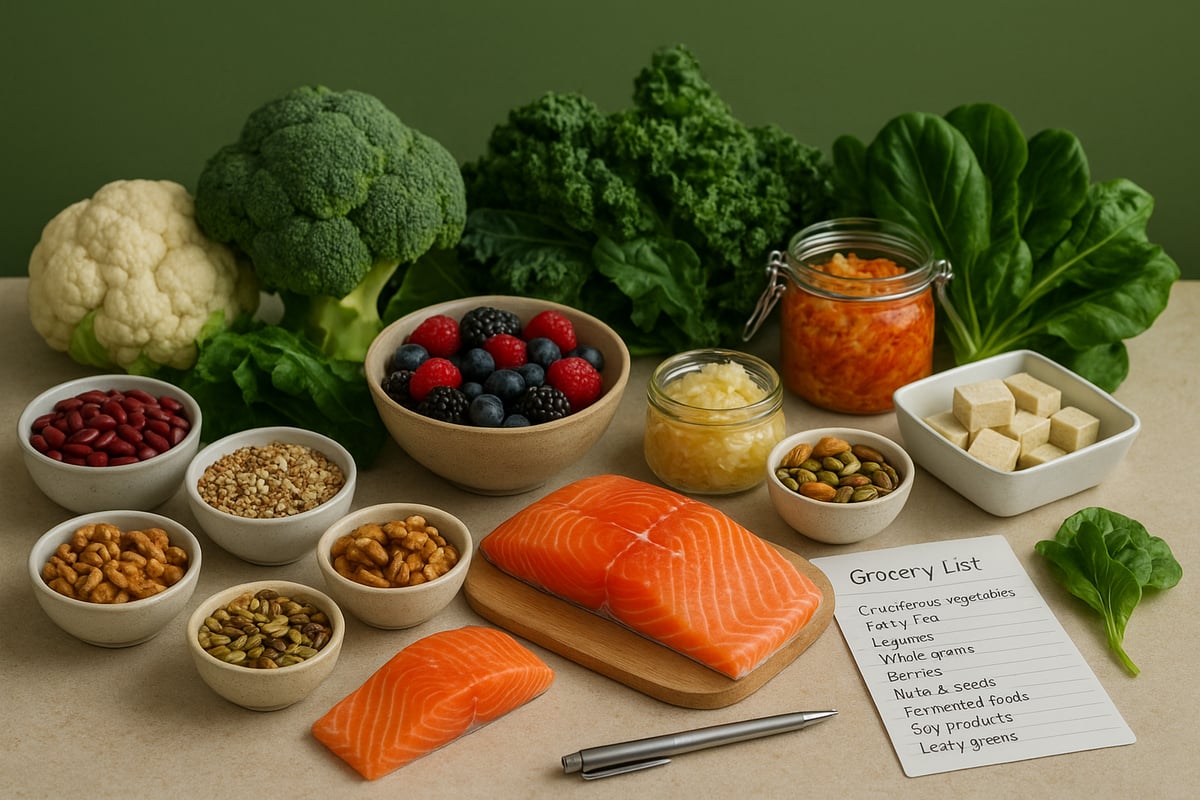
Meal Planning and Grocery Shopping
Effective meal planning is essential for consistently incorporating the best foods for menopause belly. Begin by drafting a weekly menu that prioritizes whole foods from each recommended group. Create a detailed grocery list to streamline shopping and minimize impulse purchases. When selecting produce, choose fresh or frozen options to maximize nutrient content. Stock pantry staples such as legumes, whole grains, and nuts for easy meal assembly.
Cooking Methods to Maximize Nutrient Benefits
The way we prepare the best foods for menopause belly can influence their health impact. Steaming cruciferous vegetables preserves glucosinolates and fiber, while grilling or baking fatty fish retains omega-3 fatty acids. Opt for minimal processing when possible, and use healthy fats like olive oil for sautéing. For gut health, include fermented foods such as yogurt or sauerkraut, which support digestion and weight control, as detailed in Gut health and weight control.
Overcoming Common Barriers
Integrating the best foods for menopause belly may present challenges, including taste preferences, limited time, or budget constraints. To address taste, experiment with herbs and spices or combine new ingredients with familiar favorites. Batch cooking and meal prepping on weekends can save time during the week. Purchase seasonal produce and bulk pantry items to reduce costs. Remember, gradual changes are more sustainable than drastic overhauls.
Sample Menopause-Friendly Meal Plan
A structured meal plan can simplify the integration of the best foods for menopause belly. Below is a sample day:
| Meal | Example Menu |
|---|---|
| Breakfast | Oatmeal with flaxseeds and fresh berries |
| Lunch | Lentil salad with spinach, cherry tomatoes, and tofu |
| Snack | Greek yogurt with walnuts |
| Dinner | Grilled salmon, steamed broccoli, quinoa |
Rotate food choices throughout the week to ensure variety and nutrient adequacy.
Cautions and Personalized Approaches
While incorporating the best foods for menopause belly is generally safe, it is important to be mindful of allergies, intolerances, and potential interactions with medications. Individuals with soy or nut allergies should seek alternative protein sources. Those with lactose intolerance can opt for plant-based yogurts or kefir. For comprehensive management, consult healthcare professionals or refer to Obesity care and management for tailored advice. Personalized nutrition, based on individual needs and clinical guidance, remains the cornerstone of effective dietary intervention.
Limitations and Areas for Future Research
Understanding the best foods for menopause belly is an evolving area, shaped by ongoing research and clinical trials. While current evidence points to several dietary strategies that support abdominal fat reduction in menopausal women, important limitations remain. These gaps highlight the complexity of menopause-related changes and the need for continued investigation.
Gaps in Current Scientific Knowledge
Despite growing interest, the scientific understanding of the best foods for menopause belly is limited by several factors. Most available research relies on observational studies, which can identify associations but not causation. Randomized controlled trials, the gold standard for clinical evidence, often have small sample sizes or short durations. As a result, the long-term effects of specific foods on menopause belly fat remain uncertain.
Variability in Individual Response
We must recognize that not all individuals respond the same way to dietary interventions. Genetics, gut microbiome composition, and lifestyle factors such as physical activity and sleep can all influence how the body stores fat during menopause. This variability means that while some women may experience significant benefits from the best foods for menopause belly, others may see more modest changes.
Research Design and Study Limitations
Many studies investigating the best foods for menopause belly face methodological challenges. Confounding variables, such as concurrent medication use or underlying health conditions, can obscure results. Dietary assessment methods, often based on self-reporting, may introduce recall bias. Additionally, cultural and regional differences in dietary patterns can affect the generalizability of findings.
Emerging Areas: Personalized Nutrition and Digital Tools
Advances in nutrigenomics and microbiome research are paving the way for more tailored dietary recommendations. Personalized nutrition based on genetic and microbial profiles may eventually help identify which individuals will benefit most from specific foods. Digital health tools, including mobile apps and wearable devices, are also being studied for their potential to track dietary intake and support adherence to dietary patterns for menopause belly management.
A summary table of research gaps and future directions:
| Limitation | Description |
|---|---|
| Short study durations | Limited long-term outcome data |
| Small sample sizes | Reduced statistical power |
| Population diversity | Limited representation of global populations |
| Dietary assessment accuracy | Reliance on self-reported intake |
| Genetic and microbiome variability | Individualized responses to interventions |
Staying Updated and Further Reading
Given these limitations, it is essential for clinicians and individuals to stay informed about new findings regarding the best foods for menopause belly. Systematic reviews, such as the Dietary Factors and Onset of Natural Menopause: A Systematic Review and Meta-Analysis, provide valuable updates on the evolving relationship between diet and menopausal health outcomes.
For those seeking a comprehensive approach, reviewing which foods to avoid may also be helpful. Expert resources like 7 Foods to Avoid for Menopause Belly Fat, Per Dietitians offer guidance that complements recommendations on beneficial foods.
In summary, while our current knowledge on the best foods for menopause belly is expanding, more rigorous and diverse research is needed. Ongoing studies in nutrigenomics, microbiome science, and digital health will likely shape future dietary guidelines. Until then, individualized, evidence-based nutrition remains the cornerstone of menopause belly management.
Now that you have a clear understanding of how specific foods can support your health during menopause, you might be wondering how to put this evidence into action in your own life. At PREVENTIV, we’re dedicated to empowering you with knowledge and support, so you can make changes that truly benefit your well being. If you’re ready to take the next step and want guidance rooted in the latest research, I encourage you to discover a structured, evidence based metabolic course. This resource is designed to help you build lasting habits for metabolic health—tailored for your unique needs.
