

Trying every trendy diet yet still struggling with stubborn weight can leave anyone feeling defeated. For many Americans in their thirties and forties, lasting change means shifting the focus beyond calorie counting. Metabolism is a dynamic network of processes that govern how our bodies use and store energy, deeply influenced by factors like hormones, diet quality, sleep, stress, and physical activity. Understanding the real science behind metabolism helps reveal smarter, more sustainable ways to support weight management and overall health.
Table of Contents
- Defining Metabolism And Common Misconceptions
- How Diet Choices Shape Metabolic Health
- Physical Activity And Metabolic Regulation
- Sleep, Stress, And Hormonal Balance Effects
- Gut Health’s Role In Metabolic Function
- Common Lifestyle Myths And Evidence-Based Tips
Key Takeaways
| Point | Details |
|---|---|
| Metabolism is Complex | It encompasses biochemical processes including energy production and molecular synthesis, not just calorie burning or weight loss. |
| Diet Influences Metabolism | Nutritional choices impact metabolic health by modulating energy use and inflammation; prioritize whole, nutrient-dense foods. |
| Exercise is Essential | Regular physical activity enhances insulin sensitivity and metabolic efficiency, making a mix of aerobic and strength training beneficial. |
| Hormonal Balance Matters | Sleep and stress management are critical for hormonal regulation, affecting energy production and overall metabolic health; consistency is key. |
Defining Metabolism and Common Misconceptions
Metabolism is far more complex than simply burning calories. Chemical transformations within living systems represent a sophisticated network of energy production, molecular synthesis, and cellular maintenance that sustains life itself. At its core, metabolism encompasses the intricate biochemical processes through which our bodies convert food, oxygen, and other substances into energy and structural components necessary for growth, repair, and survival.
Contrary to popular belief, metabolism is not just about weight loss or calorie expenditure. Metabolic pathways involve two primary processes: catabolism, which breaks down molecules to release energy, and anabolism, which constructs complex molecules using that energy. These enzyme-catalyzed reactions occur continuously in every cell, governing everything from hormone production to muscle development. Enzyme-driven metabolic reactions ensure that our bodies maintain precise biochemical balance, adapting to changing physiological demands.
Common misconceptions about metabolism often stem from oversimplified understanding. Many people believe metabolism is static or can be dramatically altered through quick fixes like specific diets or supplements. In reality, metabolic rates are influenced by numerous factors including age, muscle mass, genetics, hormonal balance, sleep quality, stress levels, and overall physical activity. Understanding metabolism requires recognizing it as a dynamic, interconnected system rather than a singular, easily manipulated mechanism.
Pro tip: Track your daily energy levels and physical responses to different foods and activities to gain personalized insights into your unique metabolic patterns.
How Diet Choices Shape Metabolic Health
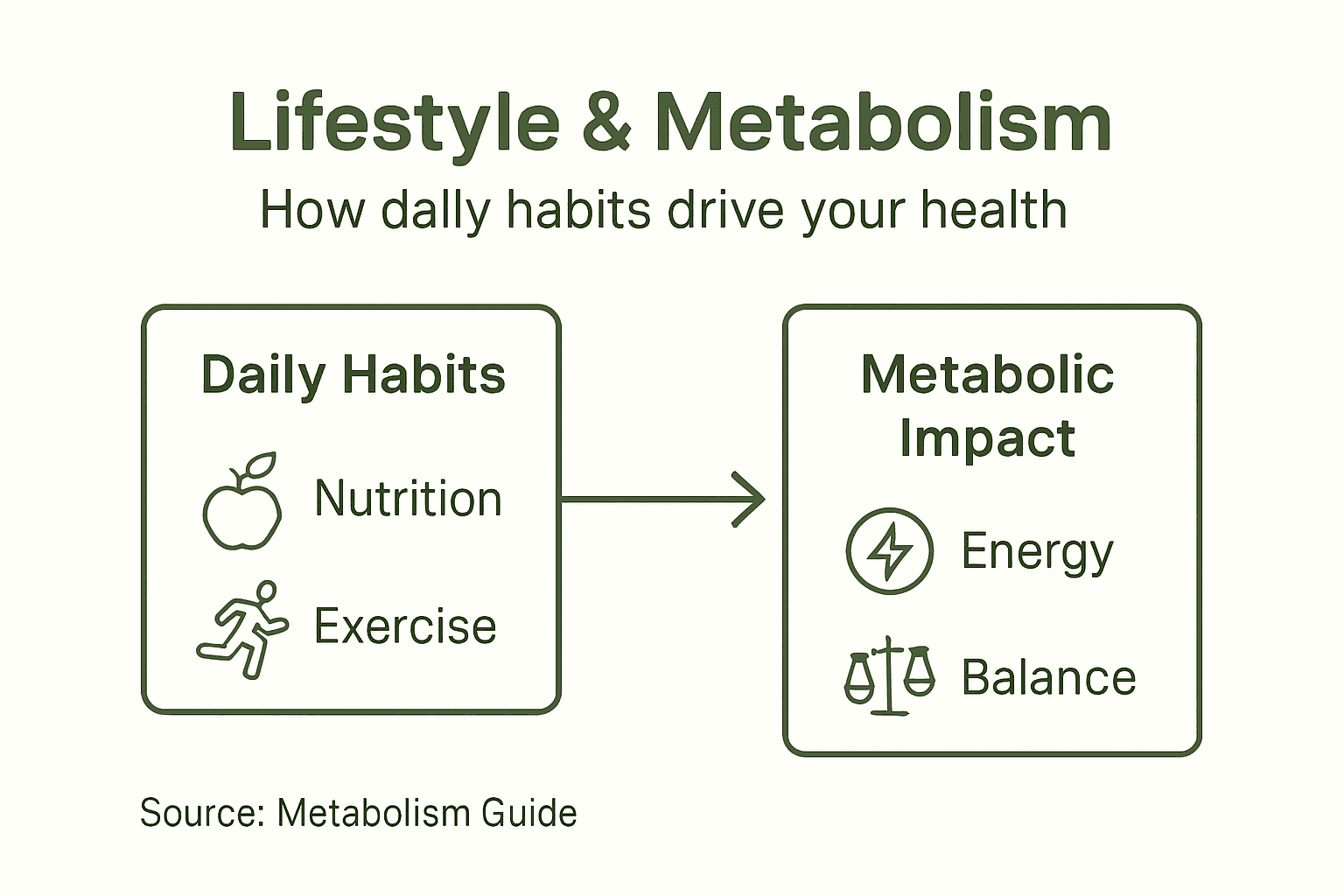
Nutrition plays a critical role in metabolic health, with dietary choices directly impacting how our bodies process energy, manage inflammation, and maintain cellular function. Dietary patterns significantly influence metabolic syndrome risks by modulating key physiological processes that determine overall metabolic efficiency. What we consume goes far beyond simple calorie counting, instead serving as a fundamental mechanism for cellular communication and metabolic regulation.
Complex metabolic responses emerge from specific nutritional choices. Diets rich in whole grains, lean proteins, fruits, and vegetables provide essential micronutrients that support optimal metabolic function. In contrast, processed foods high in refined carbohydrates, saturated fats, and added sugars can disrupt metabolic pathways, leading to inflammation, insulin resistance, and increased risk of chronic diseases. Healthy eating strategies reduce risks for heart disease and diabetes by promoting balanced nutritional intake that supports metabolic resilience.
Individual metabolic responses vary significantly based on genetic background, age, activity level, and overall health status. This biological diversity means that personalized nutrition approaches are crucial. No single dietary strategy works universally, emphasizing the need for tailored nutritional interventions that consider an individual’s unique metabolic profile. Understanding these nuanced interactions between diet and metabolism allows for more targeted, effective strategies for maintaining long-term metabolic health.
Pro tip: Experiment with a food and energy journal to track how different meals impact your metabolic responses and overall energy levels.
Physical Activity and Metabolic Regulation
Physical activity represents a powerful metabolic intervention that extends far beyond simple calorie burning. Regular exercise transforms metabolic health by fundamentally altering how our bodies process energy, regulate hormones, and maintain cellular function. Movement triggers complex physiological cascades that enhance insulin sensitivity, optimize mitochondrial efficiency, and promote more dynamic metabolic responses.

Different types of physical activity offer unique metabolic benefits. Aerobic exercises like running, swimming, and cycling improve cardiovascular function and increase metabolic rate, while strength training builds muscle mass that actively boosts resting metabolic rate. Physical activity guidelines recommend targeted exercise strategies to maximize metabolic health, suggesting adults engage in at least 150 minutes of moderate-intensity activity weekly. These recommendations recognize that consistent, purposeful movement is crucial for metabolic regulation, preventing chronic diseases, and maintaining optimal physiological function.
Metabolic adaptations to exercise are highly individualized, influenced by genetic predisposition, age, current fitness level, and existing health conditions. This complexity means that personalized exercise approaches yield more effective metabolic outcomes than generic workout plans. Understanding how your unique body responds to different types of physical activity allows for more strategic, targeted interventions that can dramatically improve metabolic efficiency, energy production, and overall physiological resilience.
Pro tip: Incorporate a mix of cardiovascular and resistance training to create a comprehensive metabolic health strategy that addresses multiple physiological systems.
Sleep, Stress, and Hormonal Balance Effects
Hormonal homeostasis represents a delicate biological orchestra where sleep, stress, and metabolic function are intrinsically interconnected. Sleep disruption dramatically alters hormonal regulation by triggering a cascade of physiological changes that compromise metabolic efficiency. When sleep patterns are interrupted, the body experiences profound hormonal shifts that can undermine weight management, energy production, and overall metabolic health.
The autonomic nervous system plays a critical role in mediating these complex interactions. Metabolic processes are regulated through nervous system activity during different sleep stages, with deep sleep promoting parasympathetic dominance that supports optimal metabolic function. Chronic stress and poor sleep quality elevate cortisol levels, which directly interfere with insulin sensitivity, increase inflammation, and disrupt glucose metabolism. These hormonal imbalances can create a vicious cycle where metabolic dysfunction leads to increased stress, further compromising physiological resilience.
Individual variations in stress response and sleep patterns mean that metabolic impacts are highly personalized. Factors like genetic predisposition, age, existing health conditions, and lifestyle choices determine how dramatically hormonal disruptions affect metabolic efficiency. Understanding these nuanced interactions allows for more targeted interventions that address the root causes of metabolic dysregulation, rather than merely treating surface-level symptoms.
Pro tip: Establish a consistent sleep schedule and develop stress management techniques like meditation or deep breathing to support hormonal balance and metabolic health.
Gut Health’s Role in Metabolic Function
The gut microbiome serves as a critical metabolic control center, far more complex than previously understood. Gut microbiota regulate critical metabolic processes through intricate biochemical interactions that influence everything from glucose metabolism to immune system function. These microscopic inhabitants produce short-chain fatty acids, modulate hormone production, and play a pivotal role in transforming dietary inputs into metabolic outputs.
Microbial metabolites act as sophisticated signaling molecules that directly communicate with human metabolic systems. Gut hormones influence metabolic pathways by regulating insulin sensitivity, controlling appetite, and managing fat storage mechanisms. The enteroendocrine cells release hormones like GLP-1, PYY, and GIP in response to microbial signals, creating a dynamic communication network that determines how efficiently our bodies process nutrients and regulate energy.
Individual variations in gut microbiome composition mean that metabolic responses are highly personalized. Genetics, diet, stress, antibiotic history, and lifestyle factors all contribute to the unique microbial ecosystem within each person. This complexity explains why universal dietary recommendations often fall short, highlighting the need for personalized nutritional strategies that consider an individual’s specific microbiome profile and metabolic characteristics.
Pro tip: Consume a diverse range of fermentable fiber and probiotic-rich foods to support a resilient and metabolically supportive gut microbiome.
Here is a summary of how diet, exercise, sleep, stress, and gut health each influence metabolism:
| Factor | Key Impact on Metabolism | Typical Outcomes | Strategies for Optimization |
|---|---|---|---|
| Diet | Modulates energy and inflammation | Improved metabolic rate | Prioritize whole, nutrient-rich foods |
| Exercise | Increases energy use and muscle mass | More efficient metabolism | Mix aerobic and strength training |
| Sleep Quality | Balances hormone regulation | Sustained energy levels | Maintain a regular sleep schedule |
| Stress Management | Reduces hormonal disruptions | Enhanced metabolic resilience | Practice mindfulness and relaxation |
| Gut Health | Regulates nutrient processing | Better appetite control | Eat fiber and probiotic-rich foods |
Common Lifestyle Myths and Evidence-Based Tips
Metabolism is frequently misunderstood, with numerous persistent myths that can derail effective health strategies. Common nutrition myths often mislead individuals about how metabolic processes actually function. Many people believe metabolism is a fixed, unchangeable system, when in reality it is a dynamic process deeply influenced by lifestyle choices, muscle mass, physical activity, and dietary patterns.
Metabolism facts challenge popular misconceptions about weight management and nutrition. Contrary to popular belief, crash diets do not boost metabolism; instead, they can significantly slow metabolic rate by reducing muscle mass. Eating late at night does not inherently cause weight gain, and total calorie intake matters more than the timing of meals. Whole grains are not fattening, and complete food elimination is unnecessary for achieving metabolic health and weight management goals.
Evidence-based approaches emphasize sustainable lifestyle modifications over quick fixes. Muscle mass plays a crucial role in metabolic rate, making strength training more important than restrictive dieting. Balanced nutrition, incorporating diverse whole foods, regular physical activity, and maintaining muscle mass are the most effective strategies for supporting metabolic health. Individual variations mean that personalized approaches, rather than universal diet plans, yield the most successful long-term metabolic outcomes.
Here’s a comparison of common metabolism myths versus reality:
| Myth | Reality | Practical Takeaway |
|---|---|---|
| Metabolism is fixed | It adapts to lifestyle and muscle mass | Make sustainable changes |
| Crash diets increase metabolism | They slow metabolic rate | Build muscle, avoid restriction |
| Late-night eating causes weight gain | Total daily calories matter more | Focus on overall intake |
| Eliminating foods boosts metabolism | Diversity supports metabolic health | Eat a variety of whole foods |
Pro tip: Focus on building muscle through consistent strength training and consuming protein-rich whole foods to naturally support your metabolic rate.
Unlock Your Metabolic Potential by Changing Daily Habits
If you feel stuck battling common misconceptions about metabolism and crave a science-backed, sustainable approach to weight management this article’s insights into metabolism’s complexity and daily habit influence will resonate deeply. You face challenges like hormonal imbalances, inconsistent energy, and frustration with fad diets that overlook your body’s unique metabolic responses. The detailed explanation of how diet, exercise, sleep, stress, and gut health dynamically interact highlights why quick fixes fail and personalized strategies are essential.
At Metabolism Guide, we understand these struggles and offer a doctor-led program cultivating a deep understanding of your metabolism that goes beyond calorie counting or myths. Our platform delivers educational modules on hormones, nutrition, gut health, and obesity along with virtual support and direct access to medical experts. This tailored guidance helps you rebuild metabolic resilience through lifestyle changes informed by evidence rather than guesswork.
Ready to break free from dieting frustration and harness your unique biology? Explore our comprehensive resources today and start transforming your metabolism with proven, long-term strategies at Metabolism Guide. Learn how to balance hormones, optimize nutrition, and improve metabolic health for lasting vitality and control. Your sustainable weight management journey begins here.
Frequently Asked Questions
What is metabolism and why is it important for health?
Metabolism refers to the complex biochemical processes that convert food and oxygen into energy and components necessary for growth, repair, and survival. It’s crucial for maintaining overall health as it impacts energy levels, hormone production, and cellular function.
How do dietary choices affect my metabolism?
Dietary choices directly influence how our bodies process energy and manage inflammation. Consuming whole foods rich in nutrients supports optimal metabolic function, while processed foods can disrupt metabolic pathways and increase the risk of chronic diseases.
What role does exercise play in regulating metabolism?
Regular physical activity enhances metabolism by improving energy processing, regulating hormones, and increasing muscle mass, which boosts resting metabolic rate. A combination of aerobic and strength training exercises is recommended for optimal metabolic health.
How do sleep and stress impact my metabolic health?
Sleep disruption and chronic stress can lead to hormonal imbalances that compromise metabolic efficiency. Maintaining a consistent sleep schedule and effectively managing stress are crucial for supporting hormonal balance and overall metabolic function.
