
According to the World Health Organization and the CDC, rates of overweight and obesity continue to rise worldwide, affecting over 1.9 billion adults and millions of children. These trends highlight the urgent need for effective, evidence-based strategies to support healthy weight management.
In this article, we present the best snacks for weight loss in 2026, selected based on rigorous scientific research. We will outline nine must-try options, discuss their proven health benefits, and explain how thoughtful snack choices can help support long-term weight goals.
By understanding the science behind healthy snacking, we can make informed decisions that promote sustainable weight loss and overall well-being.
The Role of Snacks in Weight Loss: Evidence and Mechanisms
Snacking, defined as eating food between main meals, is an integral component of many modern dietary patterns. Recent systematic reviews indicate that over 90 percent of adults in high-income countries report regular snacking. The increased prevalence of snacking underscores its importance when considering the best snacks for weight loss.
Mechanisms: Appetite, Glycemic Control, Satiety
Physiologically, snacks can affect hunger, fullness, and blood sugar regulation. The best snacks for weight loss typically promote satiety by providing protein and fiber, which slow gastric emptying and stabilize glucose levels. Clinical studies reveal that including protein-rich or fiber-rich snacks lowers appetite hormones, such as ghrelin, and helps maintain a stable glycemic response, reducing the likelihood of overeating at subsequent meals.
Evidence Summary: Snacking Frequency and Composition
Meta-analyses and systematic reviews have explored how snacking frequency and snack composition influence body weight. Evidence suggests that the best snacks for weight loss are those that are nutrient-dense rather than energy-dense. The impact of snacking on weight largely depends on the type and timing of snacks rather than frequency alone. For a comprehensive review of the relationship between snacking habits and body weight, we recommend this systematic review of snacking and body weight.
Nutrient-Dense vs Energy-Dense Snacks
Nutrient-dense snacks, such as vegetables, nuts, or low-fat dairy, offer substantial vitamins, minerals, and fiber with relatively few calories. In contrast, energy-dense snacks, like sweets or fried chips, provide high calories with limited nutritional value. Choosing the best snacks for weight loss means prioritizing foods with high nutrient density and low energy density, which support sustained satiety and optimal nutrient intake.
Guidelines and Recommendations
Current guidelines from organizations such as the NIH and NHS emphasize the importance of snack quality. They recommend selecting snacks that are high in protein, fiber, and healthy fats, and low in added sugars and saturated fats. Incorporating the best snacks for weight loss into daily routines can contribute to better glycemic control, reduced calorie intake, and improved overall dietary quality.
Common Misconceptions
There is a widespread belief that all snacking leads to weight gain. However, evidence indicates that the best snacks for weight loss, when chosen carefully and eaten in appropriate portions, can aid weight management. It is excessive energy intake or frequent consumption of energy-dense snacks that is associated with weight gain, not snacking itself.
Snack Timing and Portion Control
Strategic snack timing and portion control are critical. Consuming the best snacks for weight loss between meals can prevent extreme hunger, reducing the risk of overeating later. Recommended strategies include pre-portioning snacks and aligning snack times with periods of increased hunger, such as mid-afternoon.
Research Limitations and Future Directions
While current evidence supports the benefits of nutrient-dense snacks, research is ongoing. Many studies are observational, and controlled trials are limited by variations in snack definitions and reporting accuracy. Future research should clarify the long-term effects of different snacking patterns and identify optimal strategies for selecting the best snacks for weight loss in diverse populations.
9 Must-Try Best Snacks for Weight Loss in 2026
Selecting the best snacks for weight loss requires an evidence-based approach that considers nutritional composition, appetite regulation, and sustainability. As we examine nine must-try options, we focus on snacks supported by clinical trials and public health guidance. For those seeking practical applications, exploring weight loss-friendly snack recipes can further support healthy choices.
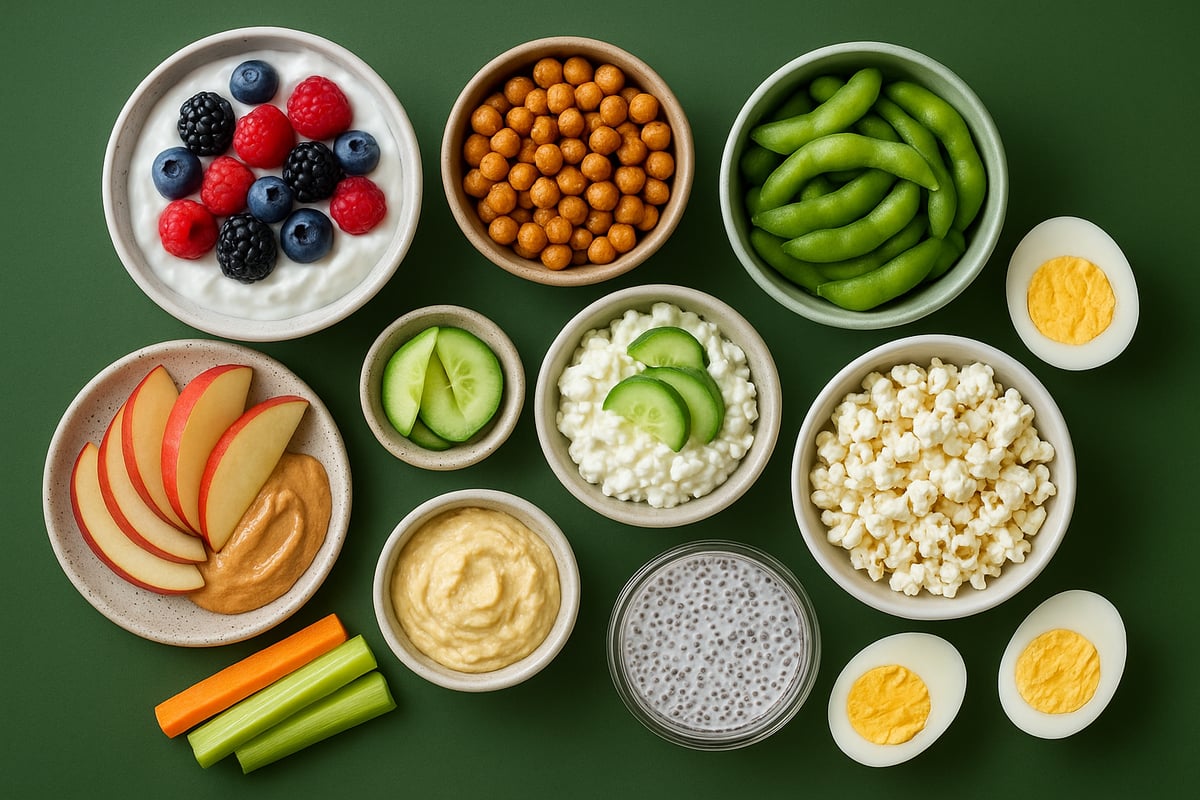
1. Greek Yogurt with Berries
Greek yogurt with berries is a leading choice among the best snacks for weight loss due to its high protein content and low glycemic impact. Clinical trials consistently show that protein-rich snacks like Greek yogurt increase satiety, reduce subsequent calorie intake, and help preserve lean muscle mass during weight loss interventions.
Berries provide dietary fiber, antioxidants, and a low glycemic index, supporting stable blood sugar levels and offering additional anti-inflammatory benefits. The combination of yogurt and berries enhances fullness through synergistic effects on gut hormones such as peptide YY and GLP-1.
Probiotic strains in Greek yogurt further support metabolic health and may positively influence body weight regulation, as indicated by recent meta-analyses of randomized controlled trials. Compared to carbohydrate-based snacks, dairy protein snacks lead to improved appetite control and reduced cravings.
For optimal results, we recommend a portion of 150–200g plain, unsweetened Greek yogurt with 50g fresh or frozen berries. This snack can be prepared in advance and topped with a sprinkle of cinnamon or chia seeds for added flavor.
2. Roasted Chickpeas
Roasted chickpeas are an evidence-backed addition to the best snacks for weight loss, offering both plant-based protein and dietary fiber. Peer-reviewed intervention studies demonstrate that legumes like chickpeas enhance satiety, moderate postprandial glycemic response, and lower overall energy intake.
Compared to traditional savory snacks such as potato chips or crackers, roasted chickpeas provide a lower energy density and higher nutritional value. The fiber content slows digestion and the plant protein supports muscle maintenance during calorie restriction.
Preparation methods matter. Roasting chickpeas at home allows control over added fats and sodium, which is essential for maintaining the snack’s health benefits. Toss drained, rinsed chickpeas with a small amount of olive oil and preferred spices, then bake until crisp.
Randomized trials indicate that regular legume-based snacks can contribute to modest weight loss and improved metabolic markers. Portion control is important: aim for 30–40g per snack to balance satiety with calorie goals.
3. Sliced Apple with Nut Butter
Combining sliced apple with nut butter represents one of the best snacks for weight loss, leveraging the synergistic effects of fiber and healthy fats. Apples offer soluble fiber, which supports prolonged fullness and helps regulate blood glucose levels.
Nut butters, such as almond or peanut, deliver monounsaturated fats and plant protein, further enhancing satiety. Cohort studies consistently find that nut consumption is not associated with weight gain and may even reduce obesity risk when consumed in controlled portions.
This snack is rich in micronutrients, including vitamin E, magnesium, and phytochemicals with antioxidant activity. For those with nut allergies, sunflower seed butter or soy nut butter are suitable alternatives.
Portion control is critical due to the calorie density of nut butters. We advise pairing one medium apple with one tablespoon (15g) of nut butter. Slicing the apple and pre-portioning the spread supports mindful eating practices.
4. Edamame (Steamed Soybeans)
Edamame is a complete plant protein and a scientifically supported choice among the best snacks for weight loss. Each serving provides all essential amino acids, along with isoflavones that may benefit metabolic regulation.
Evidence from cohort studies and randomized controlled trials suggests that regular soy intake is associated with lower body weight and improved lipid profiles. Compared to other plant-based snacks, edamame delivers higher protein and fiber per calorie, enhancing satiety and reducing the likelihood of overeating.
Preparation is straightforward: steam 80–100g of frozen, unshelled edamame for five minutes and season lightly with sea salt or herbs. This snack suits diverse dietary patterns, including vegetarian and vegan diets.
Safety reviews confirm that moderate soy consumption is appropriate for most populations, including children and adults. However, individuals with specific allergies or medical conditions should consult healthcare providers before frequent soy intake.
5. Cottage Cheese with Sliced Cucumber
Cottage cheese with sliced cucumber is recognized among the best snacks for weight loss due to its high protein, low calorie, and hydrating properties. Dairy proteins, particularly casein, are shown in clinical studies to enhance satiety and support muscle preservation during calorie-restricted diets.
Cucumber adds volume, fiber, and hydration, making the snack more filling without increasing energy density. The micronutrient profile includes calcium, potassium, and B vitamins, all of which support metabolic health.
A typical serving consists of 100g low-fat cottage cheese paired with 100g sliced cucumber. This combination can be seasoned with black pepper, fresh herbs, or a squeeze of lemon for added flavor.
Research indicates that incorporating dairy-based snacks can help regulate appetite and preserve lean body mass, especially when combined with resistance training. This snack is easy to prepare and can be included in meal plans for various dietary needs.
6. Air-Popped Popcorn
Air-popped popcorn stands out among the best snacks for weight loss as a whole grain, high-fiber option with low energy density. Observational studies confirm that whole grain snacks are associated with lower body weight and improved weight maintenance.
The volume and fiber of air-popped popcorn contribute to greater satiety compared to energy-dense, oil-popped, or flavored varieties. A standard snack portion is three cups (about 24g) of plain, unsalted popcorn.
Preparation should avoid added butter, oils, or high-sodium seasonings to preserve health benefits. Popcorn can be flavored with nutritional yeast, smoked paprika, or a pinch of sea salt.
Popcorn’s glycemic index is moderate, but its high fiber content helps mitigate blood glucose spikes. This snack is accessible, cost-effective, and suitable for individuals seeking a filling, low-calorie alternative to traditional snack foods.
7. Hard-Boiled Eggs
Hard-boiled eggs are a staple among the best snacks for weight loss, offering high-quality protein and a complete amino acid profile. Randomized controlled trials show that egg-based snacks increase satiety, decrease subsequent calorie intake, and support muscle retention during weight loss interventions.
Eggs are rich in micronutrients, including vitamin D, choline, and selenium, which play roles in metabolic health. Despite previous concerns about cholesterol, current dietary guidelines from the CDC and NHS indicate that moderate egg consumption is safe for most individuals.
A typical serving consists of one or two hard-boiled eggs, providing approximately 6–12g of protein. Eggs can be prepared in advance and stored in the refrigerator for up to one week.
Research highlights the importance of portion control and overall dietary context. Including eggs as part of a balanced, nutrient-dense diet can support long-term weight management without increasing cardiovascular risk for most healthy adults.
8. Carrot and Celery Sticks with Hummus
Carrot and celery sticks with hummus are among the best snacks for weight loss due to their nutrient density and fiber content. Vegetables provide vitamins A and K, potassium, and phytochemicals, while hummus (made from chickpeas) offers plant protein and healthy fats.
Evidence from cohort studies and clinical trials links higher vegetable intake to reduced risk of overweight and obesity. The fiber in both vegetables and hummus supports fullness and glycemic control.
Preparation is simple: slice carrots and celery into sticks and pair with 2–3 tablespoons of hummus. For those monitoring sodium or fat intake, choosing low-sodium or homemade hummus is advisable.
This snack is portable, easy to prepare in advance, and helps increase daily vegetable consumption. It is suitable for most dietary patterns, including vegan and gluten-free diets.
9. Chia Seed Pudding
Chia seed pudding is an innovative choice among the best snacks for weight loss, supported by intervention studies highlighting its effects on satiety and body composition. Chia seeds are rich in soluble fiber and omega-3 fatty acids, both of which promote prolonged fullness and support cardiovascular health.
The gel-forming properties of chia seeds slow digestion and stabilize blood glucose, reducing hunger between meals. A standard preparation involves soaking 2 tablespoons (20g) of chia seeds in 100ml of unsweetened plant milk overnight, then flavoring with vanilla or cinnamon.
Chia seed pudding is highly adaptable, suitable for vegan, gluten-free, and dairy-free diets. Research indicates that regular chia consumption may facilitate modest weight loss and improve lipid profiles.
For added variety, the pudding can be topped with berries or a small amount of nut butter. Its versatility and nutrient profile make it a sustainable, evidence-based snack option.
Criteria for Selecting Weight Loss Snacks: Evidence-Based Guidelines
Selecting the best snacks for weight loss requires an evidence-based approach rooted in nutritional science and official dietary recommendations. We must consider several factors to ensure snacks support healthy weight management and align with current clinical guidelines.
Nutrient Composition and Calorie Density
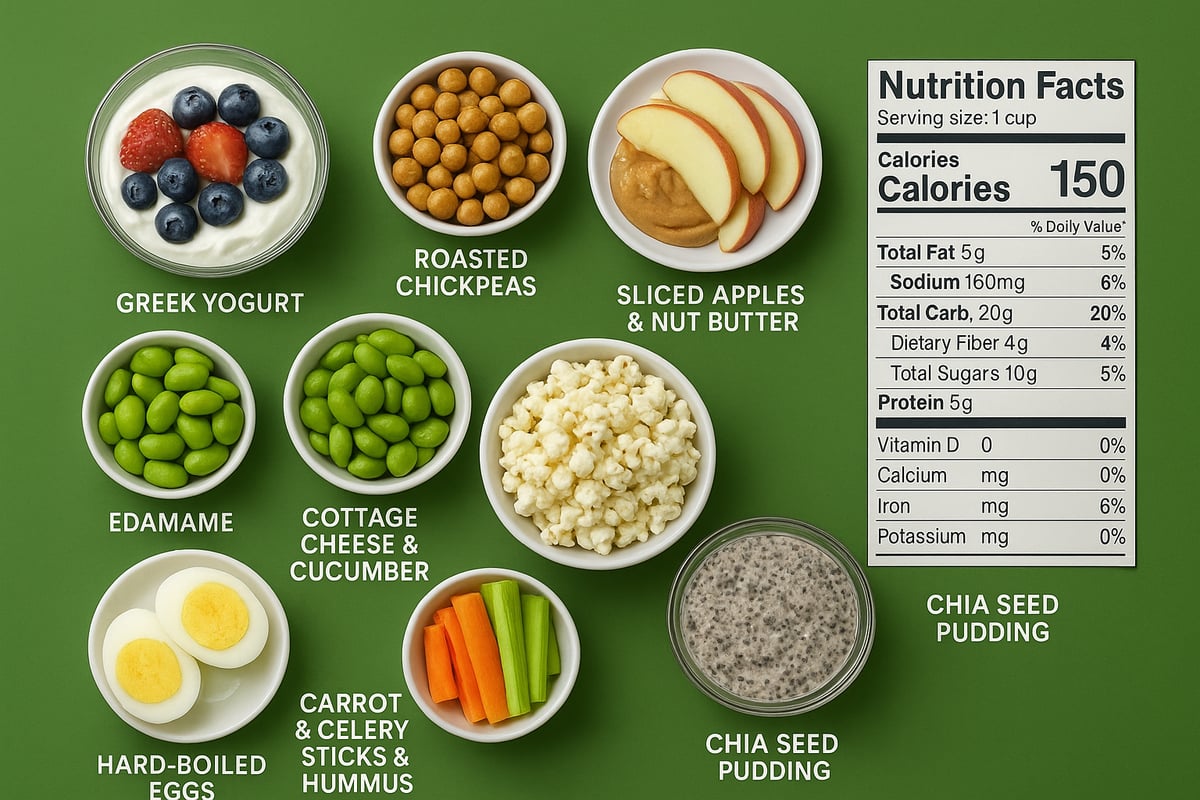
When choosing the best snacks for weight loss, we prioritize foods high in protein, dietary fiber, and healthy fats. Clinical studies consistently indicate that these nutrients enhance satiety, help regulate appetite hormones, and support metabolic health.
Protein-rich snacks, such as Greek yogurt or boiled eggs, preserve lean muscle mass during calorie restriction. Fiber from whole grains, fruits, or legumes slows digestion, prolongs fullness, and modulates glycemic response. Healthy fats from sources like nuts or seeds contribute to sustained energy and improved nutrient absorption.
Calorie density is equally important. Evidence suggests that snacks with low energy density, such as vegetables or air-popped popcorn, allow for larger, more satisfying portions without excessive calories. This approach reduces the risk of overconsumption and supports gradual, sustainable weight loss.
Table: Nutrient Priorities for Snack Selection
| Nutrient | Role in Weight Loss | Example Snack |
|---|---|---|
| Protein | Satiety, muscle support | Greek yogurt |
| Fiber | Fullness, glycemic control | Edamame, popcorn |
| Healthy Fats | Energy, absorption | Nut butter, hummus |
Glycemic Index, Food Processing, and Practicality
The glycemic index (GI) and glycemic load (GL) of snacks are critical considerations. Low-GI foods, such as berries or legumes, promote stable blood sugar and help reduce cravings. Systematic reviews have linked lower-GI diets to improved weight outcomes.
Minimally processed foods are preferred for the best snacks for weight loss. These options retain more nutrients and contain fewer additives, sodium, and unhealthy fats compared to highly processed alternatives. Clinical guidelines recommend choosing whole foods over processed snacks whenever possible.
Accessibility and cost also influence snack selection. We must opt for affordable, readily available options that fit varied lifestyles. Pre-portioning snacks and preparing them in advance enhances adherence and reduces the likelihood of impulsive, less healthy choices.
Guidelines, Label Reading, and Common Pitfalls
Adhering to official dietary guidelines is essential for selecting the best snacks for weight loss. The CDC guidelines on healthy meals and snacks recommend snacks that are nutrient-dense, portion-controlled, and low in added sugars, sodium, and saturated fats. The NHS and WHO offer similar advice, emphasizing the importance of whole foods and balanced macronutrients.
Effective label reading is a practical skill. We examine ingredient lists for hidden sugars, sodium, and unhealthy fats, and assess serving sizes to avoid unintentional overeating. Choosing snacks with recognizable ingredients and minimal processing aligns with evidence-based recommendations.
Common pitfalls include consuming large portions, relying on highly processed "diet" snacks, and neglecting the impact of added sugars or refined carbohydrates. For further evidence-based strategies and practical guidance, consult resources such as Nutrition and lifestyle tips.
In summary, prioritizing nutrient density, portion control, minimal processing, and adherence to established guidelines ensures snack choices effectively support weight management goals.
Practical Strategies for Incorporating Healthy Snacks into Daily Life
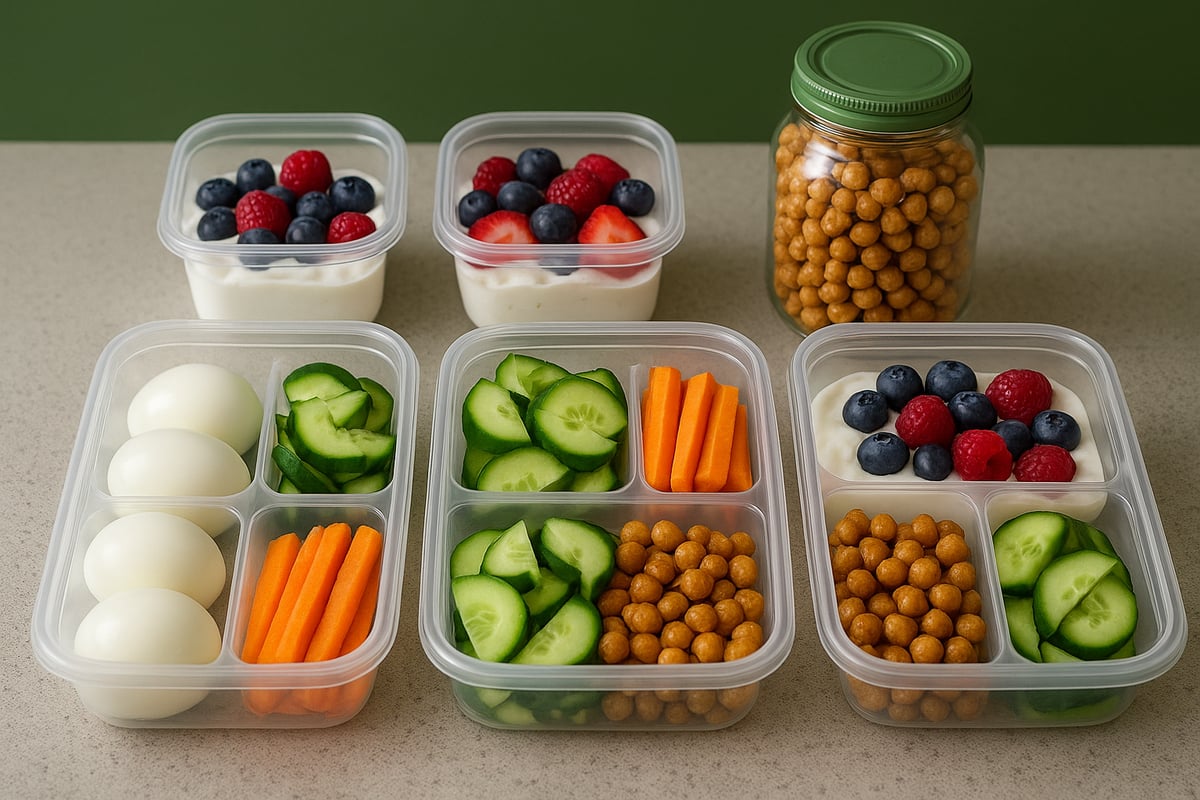
Effective incorporation of the best snacks for weight loss into daily routines requires structured planning and evidence-based strategies. Preparing snacks ahead of time, such as portioning Greek yogurt or slicing vegetables, helps us make informed choices and avoid impulsive eating.
Managing portion sizes is critical. Using measured containers or visual cues ensures we do not exceed recommended servings. Current guidelines recommend limiting snack frequency and aligning intake with genuine hunger cues, not external triggers.
Integrating the best snacks for weight loss into structured meal plans can support consistent energy levels and prevent overeating during main meals. For example, scheduling a high-protein snack between lunch and dinner has been shown to promote satiety and glycemic control.
Real-world barriers, such as busy workplaces, travel, or social events, often challenge our intentions. Portable options like hard-boiled eggs or roasted chickpeas are practical solutions. Evidence also supports mindful snacking, which involves eating without distractions and paying attention to hunger and fullness signals.
Regularly monitoring progress and adjusting snack choices based on individual responses is essential. For further practical ideas, we can explore healthy snack ideas for weight loss that align with current dietary recommendations.
Now that you have a clearer picture of the best snacks for sustainable weight loss in 2026, you might be wondering how to integrate these evidence-based choices into your daily routine for lasting results. At PREVENTIV, we believe that informed decisions and structured support are key to long-term health. If you’re ready to take the next step and want practical, science-backed guidance built around your unique needs, I encourage you to explore a science-backed approach to weight loss. Let’s work together to make healthy, empowered choices part of your everyday life.
