

Struggling to lose weight despite your best efforts can be discouraging when the results do not match your hard work. Much of this frustration often comes from overlooking how the trillions of microbes in your digestive system shape everything from metabolism to inflammation. By learning how gut health influences weight and metabolic control, you will gain practical tools to support lasting stability and discover new avenues for healthy change tailored to your body’s needs.
Table of Contents
- Defining Gut Health and Its Importance
- How the Gut Microbiome Influences Weight
- Diet, Fiber, and Probiotics for Gut Health
- Hormones, Inflammation, and Metabolic Control
- Common Myths and Mistakes About Gut Health
Key Takeaways
| Point | Details |
|---|---|
| Gut Health is Essential | A balanced gut microbiome supports digestion, immune function, and overall health. Maintaining microbial diversity is crucial for optimal gut performance. |
| Microbiome Influences Weight | Gut bacteria play a significant role in metabolism and weight management, affecting how calories are processed and energy is stored. |
| Dietary Fiber and Probiotics Matter | Incorporating a variety of fiber and probiotics through diet supports gut health and enhances beneficial bacteria growth. |
| Beware of Myths | Common misconceptions about gut health can lead to ineffective strategies; personalized approaches are more beneficial for individual circumstances. |
Defining Gut Health and Its Importance
Your gut is far more than just a digestive organ – it’s a complex ecosystem housing trillions of microorganisms that profoundly influence your overall health. Gut health refers to the intricate balance of microbes residing primarily in your intestinal tract, playing a critical role in everything from nutrient metabolism to immune function.
The human gut microbiome consists of approximately 100 trillion microorganisms, including bacteria, viruses, and fungi, which work together in a delicate symbiotic relationship. These microbes are not passive passengers but active participants in your body’s biological processes. The gut microbiota supports health through multiple mechanisms, including:
- Protecting against harmful pathogens
- Producing essential vitamins like B and K
- Regulating immune system responses
- Supporting nutrient metabolism
- Reducing systemic inflammation
Understanding gut health requires recognizing its interconnectedness with other bodily systems. Your digestive tract is not an isolated system but a dynamic network that communicates with your brain, immune system, and metabolic processes. Disruptions in gut microbiome composition can potentially trigger a cascade of health challenges, from digestive issues to mood disorders.
Microbiome diversity is key to maintaining optimal gut health. A balanced ecosystem of beneficial bacteria helps maintain intestinal barrier function, supports efficient nutrient absorption, and helps regulate inflammation. Diet plays a crucial role in cultivating this diversity, with plant-based foods providing the necessary fiber and nutrients that support beneficial bacterial growth.
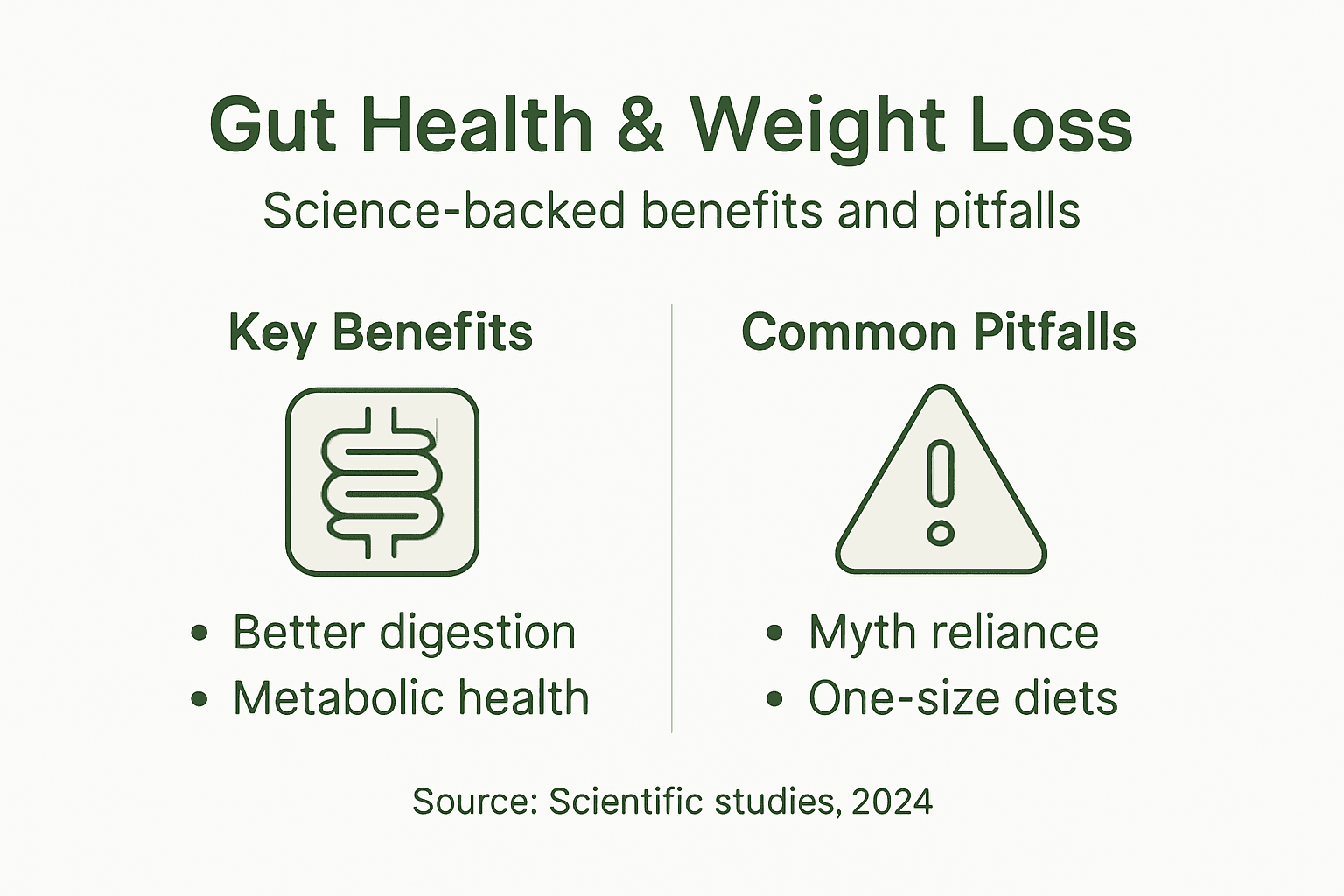
Pro tip: Incorporate a variety of colorful, fiber-rich vegetables and fermented foods into your diet to naturally support and diversify your gut microbiome.
How the Gut Microbiome Influences Weight
The connection between gut microbiome and weight is far more complex and profound than most people realize. Gut bacteria play a critical role in metabolism and can significantly impact an individual’s ability to gain, lose, or maintain weight.
Research has uncovered several key mechanisms through which gut microbes influence body weight:
- Regulating energy extraction from food
- Modulating hormones that control appetite
- Influencing insulin sensitivity
- Controlling inflammation levels
- Affecting fat storage processes
Microbial composition can determine how efficiently your body processes calories. Some gut microbiota gene functions correlate directly with weight loss success, meaning the specific bacteria in your digestive system can predict whether you’ll struggle or succeed in weight management efforts.
People with diverse, balanced gut microbiomes tend to have more efficient metabolic processes. Certain bacterial strains can increase calorie extraction from food, while others promote better insulin regulation and reduced inflammation. This means two individuals eating identical diets might experience completely different metabolic outcomes based on their unique microbiome composition.

Pro tip: Consider getting a comprehensive gut microbiome test to understand your unique bacterial landscape and potential metabolic challenges.
Diet, Fiber, and Probiotics for Gut Health
Probiotics and dietary fiber play a crucial role in maintaining a healthy and balanced gut microbiome. These nutritional components work together to support digestive health, boost immune function, and potentially influence weight management strategies.
Dietary fiber serves as a fundamental nutrient for gut bacteria, providing multiple critical benefits:
- Nourishing beneficial bacterial populations
- Promoting production of short-chain fatty acids
- Supporting regular digestive function
- Reducing systemic inflammation
- Enhancing nutrient absorption
Probiotic sources include a variety of fermented foods that introduce beneficial microorganisms into the digestive system. Different fiber types significantly impact gut microbiota composition, with each individual potentially responding uniquely to various fiber varieties.
Understanding the synergy between probiotics and prebiotics is key to optimizing gut health. Synbiotic approaches combine both elements, creating a more comprehensive strategy for supporting microbial balance. This approach recognizes that not all fiber is created equal – some types are more readily fermented and provide more significant benefits to gut bacteria than others.
Pro tip: Gradually introduce diverse fiber sources and fermented foods to allow your gut microbiome to adapt and prevent digestive discomfort.
Here’s a comparison of key fiber types and their unique impacts on gut health:
| Fiber Type | Main Dietary Sources | Benefit for Gut Microbiome |
|---|---|---|
| Soluble | Oats, beans, apples | Produces short-chain fatty acids |
| Insoluble | Whole wheat, nuts, vegetables | Aids bowel movement regularity |
| Resistant Starch | Green bananas, lentils, cooked/cooled potatoes | Feeds beneficial bacteria |
| Prebiotic Fiber | Garlic, onions, asparagus | Supports growth of probiotics |
Hormones, Inflammation, and Metabolic Control
Diet directly influences metabolic health through complex interactions between gut microbiota, hormones, and inflammatory processes. These intricate biological mechanisms play a critical role in determining weight management outcomes and overall metabolic function.
Chronic inflammation can disrupt key metabolic processes by affecting hormone signaling and metabolic regulation. Key inflammatory impacts include:
- Reducing insulin sensitivity
- Disrupting appetite control mechanisms
- Impeding efficient energy metabolism
- Promoting fat storage
- Interfering with hormone production
Regulatory T cells play a crucial role in managing inflammatory responses. Gut microbes help produce anti-inflammatory cytokines that suppress systemic inflammation, creating a delicate balance in metabolic health. These immune cells act as critical mediators, helping to prevent excessive inflammatory responses that can lead to metabolic disorders.
The interconnection between gut health, hormones, and inflammation demonstrates how deeply our dietary choices impact metabolic function. Hormones like insulin, cortisol, and leptin are significantly influenced by inflammatory processes, creating a complex feedback loop that can either support or undermine weight management efforts.
Pro tip: Focus on anti-inflammatory foods like leafy greens, fatty fish, and turmeric to help regulate your body’s metabolic inflammatory responses.
Common Myths and Mistakes About Gut Health
Gut health myths can seriously derail effective weight management strategies, leading many people down unproductive and potentially harmful paths. Understanding the truth behind these misconceptions is crucial for developing a truly effective approach to digestive wellness.
Some of the most prevalent gut health myths include:
- Probiotics are a universal cure-all
- Detox products effectively cleanse the gut
- All bacteria are harmful
- Digestive issues are always diet-related
- One-size-fits-all gut health solutions exist
Probiotic misconceptions run particularly deep in popular health narratives. Scientific evidence reveals nuanced probiotic effectiveness, with specific strains providing benefits for targeted conditions rather than functioning as a magical solution for everyone. The human body already possesses sophisticated natural detoxification mechanisms through the liver, kidneys, and digestive system, making most commercial detox products unnecessary.
Individual gut microbiome composition varies dramatically, meaning what works for one person might not work for another. This complexity challenges the widespread belief that there are simple, universal solutions to gut health. Effective strategies require personalized approaches that consider an individual’s unique microbiome, lifestyle, diet, and overall health status.
This table summarizes common gut health myths and the scientific reality:
| Myth | Why It’s Incorrect | True Scientific Insight |
|---|---|---|
| Probiotics fix all issues | Effects vary by strain & person | Only specific strains have proven benefits |
| Detox cleanses are vital | Body already detoxifies itself naturally | Liver and kidneys remove toxins efficiently |
| All bacteria are bad | Many bacteria are essential for health | Healthy gut needs diverse microbes |
| One-size-fits-all works | Microbiomes differ by individual | Personalized approaches are most effective |
Pro tip: Consult a healthcare professional for personalized gut health guidance instead of relying on generic online advice or trendy supplement recommendations.
Unlock Lasting Weight Loss by Understanding Your Gut and Metabolism
Struggling to lose weight despite your best efforts to eat right and exercise? This article highlights how gut health influences metabolism, hormone regulation, and inflammation—key factors that often create hidden barriers to successful weight management. Common frustrations include unexplained weight plateaus, cravings fueled by hormonal imbalances, and unclear guidance on probiotics or fiber that may do more harm than good when used without understanding your unique biology.
Take control of your weight journey by exploring evidence-based insights on hormones, gut microbiome diversity, and metabolic health at Metabolism Guide. Our doctor-led program offers science-driven lessons and expert support that help you decode your body’s signals and craft a personalized, sustainable plan free from fad diets or generic remedies. Start learning how your gut impacts your metabolism and gain access to medical insights that go beyond simple calorie counting. Visit Metabolism Guide today and transform frustration into confidence with strategies built on real science.
Frequently Asked Questions
What is gut health and why is it important for weight loss?
Gut health refers to the balance of microorganisms in the digestive system that influence overall health, including weight management. A healthy gut microbiome can regulate metabolism, appetite hormones, and inflammation, all of which play significant roles in weight loss.
How does the gut microbiome affect weight loss?
The gut microbiome impacts weight loss by regulating energy extraction from food, modulating appetite-controlling hormones, and influencing insulin sensitivity. The composition of gut bacteria can predict an individual’s ability to gain or lose weight based on how efficiently they process calories.
Can dietary changes improve gut health for weight management?
Yes, incorporating a variety of fiber-rich foods and probiotics into your diet can promote a healthy gut microbiome. Foods like fruits, vegetables, whole grains, and fermented foods help nourish beneficial bacteria, which may improve metabolic processes and support weight loss efforts.
What are some common myths about gut health and weight loss?
Common myths include the belief that all probiotics are effective for everyone and that detox cleanses are necessary for gut health. The effectiveness of probiotics varies by strain and individual, and the body naturally detoxifies itself through the liver and kidneys without the need for commercial detox products.
