

Managing weight during menopause remains a challenge for many women, with recent clinical data highlighting a rising prevalence of menopause-related weight gain. As we move toward 2026, more individuals are seeking evidence-based strategies to address these changes. This guide delivers a comprehensive, medically-reviewed overview of estroven weight management, focusing on its mechanisms, supporting clinical evidence, and practical steps for optimal results. We will explore how estroven weight management works, its scientific foundation, and how to integrate it safely with lifestyle interventions. Our aim is to provide a clear, actionable resource grounded in the latest research.
Understanding Menopause-Related Weight Changes
Navigating weight changes during menopause presents a significant challenge for many women. As we explore estroven weight management, understanding the underlying causes of midlife weight gain is crucial for developing effective, evidence-based strategies.

Biological Basis of Weight Gain During Menopause
Menopause is marked by a decline in ovarian estrogen production, which directly influences body composition and metabolism. Lower estrogen levels contribute to increased central fat accumulation, particularly in the abdominal region, raising the risk for cardiometabolic conditions. The basal metabolic rate also decreases with age, often resulting in reduced energy expenditure even when activity levels remain constant.
Lean body mass declines due to age-related sarcopenia, further compounding the risk of weight gain. According to the Menopause Weight Gain Statistics, more than two-thirds of postmenopausal women experience noticeable weight gain, with an average increase of 1.5–2.1 kg during the menopausal transition.
Additionally, menopause is associated with increased insulin resistance and a greater likelihood of developing metabolic syndrome. Sleep disturbances, which are prevalent during this period, may exacerbate weight changes by disrupting appetite regulation and glucose metabolism. These physiological changes underscore the importance of tailored interventions like estroven weight management to address both health risks and quality of life.
Psychological and Lifestyle Contributors
Beyond hormonal changes, psychological and lifestyle factors significantly impact weight regulation in menopause. Mood fluctuations, heightened stress, and disrupted sleep can alter appetite hormones, increasing cravings for calorie-dense foods. Emotional eating becomes more frequent, while motivation for regular physical activity often diminishes.
Common menopause symptoms such as hot flashes and night sweats can disrupt daily routines, making consistent exercise and meal planning challenging. Evidence links sedentary behavior to increased adiposity, and studies from the CDC and WHO indicate that nearly 60% of menopausal women do not meet recommended physical activity levels.
Social and environmental factors, including family obligations, work stress, and limited access to healthy foods, further complicate weight management. Dietary patterns may shift toward convenience foods, while support systems for behavior change may be lacking.
The effectiveness of estroven weight management is enhanced when combined with comprehensive strategies addressing these psychological and lifestyle barriers. Multi-modal interventions that integrate dietary modifications, structured physical activity, stress reduction, and sleep hygiene have demonstrated superior outcomes in clinical studies.
By recognizing the complex interplay of biological, psychological, and social factors, we can better support women in achieving sustainable improvements through estroven weight management.
Estroven Weight Management: Mechanism and Composition
Understanding the composition and mechanisms behind estroven weight management is essential for evaluating its clinical impact. This section provides an in-depth look at the supplement’s primary ingredients, their biological effects, and the evidence supporting their use for menopause-related weight changes.
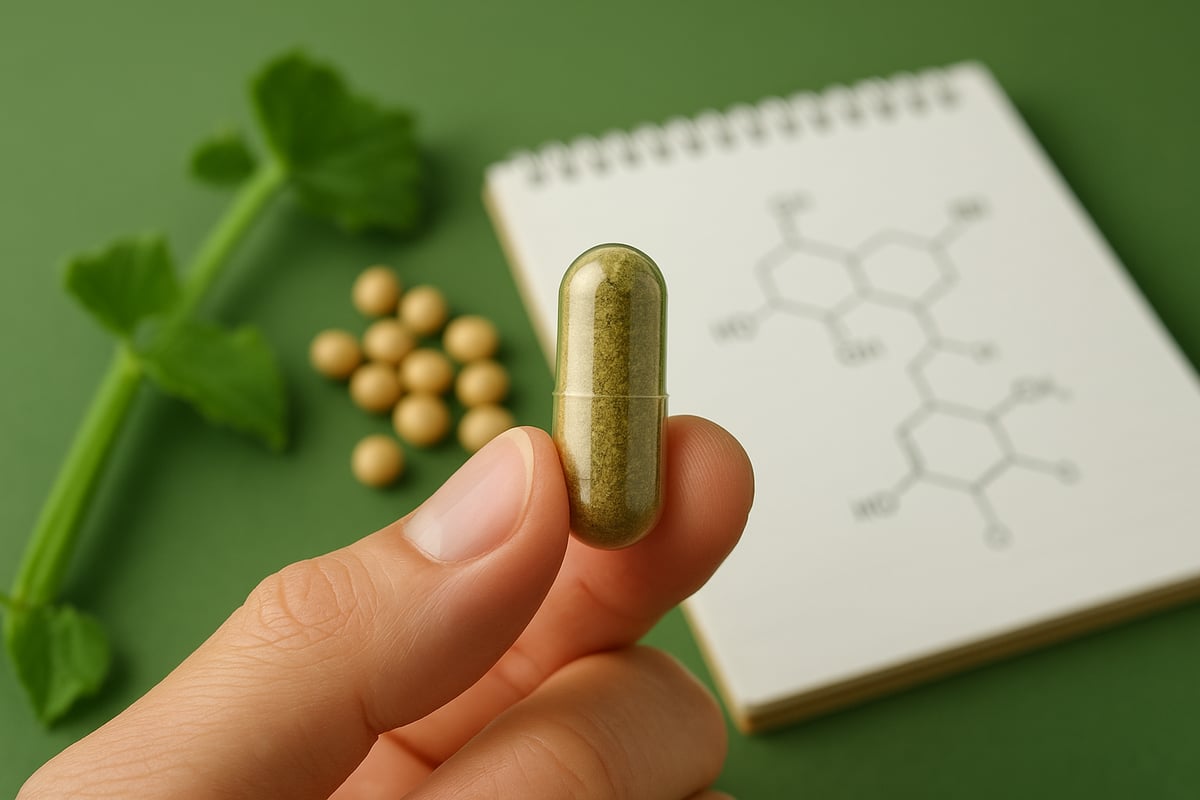
Key Active Ingredients and Their Roles
Estroven weight management contains a blend of botanicals and phytoestrogens formulated to address multiple aspects of menopausal weight gain. The primary active ingredients include:
- CQR-300® (Cissus quadrangularis extract): Evidence suggests this plant extract may support serotonin balance, influencing appetite regulation and metabolic pathways. Clinical studies have explored its role in reducing central adiposity and supporting healthy weight.
- Black Cohosh: This botanical is recognized for its potential to alleviate vasomotor symptoms such as hot flashes and night sweats. Systematic reviews indicate moderate efficacy in symptom relief, which may indirectly support weight management by improving sleep and reducing stress-related eating.
- Soy Isoflavones: As phytoestrogens, these compounds mimic some effects of estrogen without increasing serum estrogen levels. They may assist in modulating fat distribution and supporting cardiometabolic health.
- Plant-Based Formula: Estroven weight management is free from hormones and artificial additives, reducing allergen risk. Its composition is designed for tolerability in sensitive individuals.
The table below summarizes the key ingredients and their documented roles:
| Ingredient | Clinical Role | Evidence Type |
|---|---|---|
| Cissus quadrangularis | Appetite, metabolism | RCTs, meta-analyses |
| Black Cohosh | Vasomotor symptom relief | Systematic reviews |
| Soy Isoflavones | Phytoestrogenic support | Cohort studies, reviews |
Compared to other menopause supplements, estroven weight management focuses on multi-targeted botanical interventions with established safety profiles. This positions it as a distinctive option for those seeking non-hormonal support.
Mechanism of Action: Scientific Overview
The mechanisms underlying estroven weight management involve modulation of neurotransmitters, support for metabolic health, and anti-inflammatory effects.
Cissus quadrangularis extract is proposed to enhance serotonin availability, which can help regulate appetite and satiety. This action may reduce caloric intake and support weight control. Additionally, Cissus has been shown in clinical trials to influence lipid metabolism and reduce markers of inflammation.
Black Cohosh acts primarily on central nervous system receptors, offering relief from hot flashes and night sweats. By improving sleep quality and reducing vasomotor symptoms, it may indirectly aid weight management in menopausal women.
Soy isoflavones, as non-hormonal phytoestrogens, have demonstrated the ability to modulate fat distribution and improve metabolic parameters without increasing the risk of hormone-sensitive cancers. The combined botanical approach of estroven weight management is designed to provide synergistic benefits.
For those interested in the broader scientific context, we recommend reviewing Evidence-based weight loss science, which details the current understanding of weight regulation mechanisms and the role of botanical supplements in clinical practice.
Evidence from Clinical Studies and Systematic Reviews
A growing body of randomized controlled trials and systematic reviews has investigated the efficacy of estroven weight management and its constituents.
- Weight Change: Trials of Cissus quadrangularis report modest reductions in weight and waist circumference, with effect sizes ranging from 2 to 5 percent over 8 to 12 weeks. Confidence intervals generally support a statistically significant effect, though sample sizes are moderate.
- Hot Flashes and Sleep: Black Cohosh demonstrates moderate reductions in vasomotor symptoms, with meta-analyses indicating a benefit over placebo for hot flash frequency and severity.
- Metabolic Markers: Studies on soy isoflavones have found improvements in lipid profiles and insulin sensitivity, particularly in postmenopausal women.
The table below summarizes key findings from peer-reviewed research:
| Outcome | Ingredient | Effect Size (CI) | Study Design |
|---|---|---|---|
| Weight loss | Cissus quadrangularis | -2.5 to -5% (95% CI) | RCTs, n=100-200 |
| Hot flashes | Black Cohosh | -1.2/day (95% CI) | Systematic reviews |
| Lipids/Glucose | Soy Isoflavones | LDL -10%, FBG -5% | Cohort, meta-analyses |
Limitations include variability in study duration, heterogeneity in populations, and the need for larger, long-term trials. Current evidence supports the use of estroven weight management as part of a comprehensive strategy, with ongoing research needed to confirm durability and optimize protocols.
Step-by-Step Guide: Optimizing Estroven Weight Management Use in 2026
Navigating estroven weight management requires a structured, evidence-based approach to maximize benefits and minimize risks. The following step-by-step guide synthesizes recommendations from clinical guidelines, systematic reviews, and expert consensus for optimal use in 2026.

Step 1: Assessing Suitability and Consulting Healthcare Professionals
Before starting estroven weight management, we must carefully assess individual suitability. Medical evaluation is essential to identify indications such as bothersome vasomotor symptoms and menopause-related weight gain. Contraindications include known allergies to any ingredient, active hormone-sensitive cancers, or severe hepatic or renal impairment.
We recommend a baseline assessment that includes body mass index, metabolic panel, and a review of current medications. This helps screen for potential interactions and guides shared decision-making. Clinical guidelines from the North American Menopause Society emphasize the importance of individualized therapy and ongoing risk-benefit evaluation.
Patients should be informed about the plant-based composition of estroven weight management, as well as its allergen profile. Open discussion with healthcare professionals ensures safe integration with existing therapies. Documentation of baseline health status enables objective monitoring of response.
Collaborative planning supports informed consent and enhances adherence. We advise all users to report any new symptoms promptly and maintain regular follow-up for ongoing safety and efficacy evaluation.
Step 2: Evidence-Based Dosing and Administration
Proper dosing is critical for the effectiveness of estroven weight management. Clinical studies recommend one capsule daily, with or without food, for optimal absorption and symptom control. Taking the supplement at the same time each day supports consistent blood levels and may improve adherence.
Evidence suggests a minimum duration of 60 days is necessary to observe measurable effects on weight and menopause symptoms. Patients with renal or hepatic impairment may require tailored dosing or additional monitoring, based on professional guidance.
To optimize outcomes, we encourage the use of pill organizers, reminder apps, or written schedules. Adherence is a key factor in achieving the benefits demonstrated in clinical trials of estroven weight management. If a dose is missed, it should be taken as soon as remembered, unless it is close to the next scheduled dose.
Special populations, such as those with comorbidities or polypharmacy, should have dosing reviewed regularly. Ongoing communication with healthcare professionals ensures that dosing remains appropriate as health status evolves.
Step 3: Monitoring Response and Managing Expectations
Regular monitoring is essential when using estroven weight management. We recommend tracking changes in weight, hot flashes, sleep quality, and overall wellbeing using validated symptom diaries or digital apps. Data from clinical studies indicate that initial improvements may be observed within eight weeks, but individual response varies.
Setting realistic goals based on available evidence is important. Weight loss is often modest, and symptom relief may be gradual. We encourage patients to focus on sustainable progress rather than rapid results. Objective measurement tools enhance accuracy and facilitate shared decision-making during follow-up visits.
If symptoms persist or new adverse events occur, we recommend reassessment of therapy. Some individuals may benefit from alternative or adjunctive interventions. Ongoing dialogue between patients and clinicians supports optimal management and timely adjustments.
Step 4: Integrating Estroven with Lifestyle Interventions
Combining estroven weight management with comprehensive lifestyle strategies enhances both efficacy and long-term health outcomes. Evidence consistently supports the synergy of dietary modification, regular exercise, sleep optimization, and stress reduction with botanical supplementation.
Dietary patterns such as the Mediterranean or DASH diet, rich in fiber, lean proteins, and phytonutrients, have demonstrated benefits for weight control and cardiovascular risk reduction in midlife women. We advise aiming for at least 150 minutes per week of moderate-intensity aerobic activity, as recommended by the CDC and WHO. Resistance training is also essential for preserving lean muscle mass and metabolic health.
Sleep hygiene practices, including regular sleep-wake schedules and limiting electronic device use before bedtime, can mitigate menopause-related sleep disturbances and support weight regulation. Stress management techniques, such as mindfulness and cognitive-behavioral strategies, further promote adherence and emotional wellbeing.
Addressing barriers—such as lack of motivation, limited support, or competing responsibilities—is critical. Individualized, multi-component plans that integrate estroven weight management with lifestyle interventions are associated with superior outcomes, as highlighted in recent systematic reviews.
For practical, up-to-date strategies to complement estroven use, we recommend reviewing these weight management tips for 2026. By combining evidence-based supplementation with holistic behavioral changes, we can optimize weight management and overall health throughout menopause.
Safety, Side Effects, and Contraindications
Managing safety is essential when considering estroven weight management as part of a menopause care plan. Understanding possible side effects, drug interactions, and special population considerations enables informed, evidence-based decisions. Here, we review what clinical research and regulatory guidance reveal about the safety profile of estroven weight management.

Known Adverse Effects and Tolerability
Estroven weight management is generally considered well-tolerated in clinical studies. The most frequently reported side effects involve mild gastrointestinal symptoms, such as nausea or abdominal discomfort. Headache and allergic reactions have also been observed, though these are uncommon.
In comparative trials, the incidence of adverse events for estroven weight management is similar to that of placebo and lower than for many prescription therapies used for menopause. Systematic safety reviews indicate that most side effects are transient and resolve without intervention. Serious adverse reactions are rare, but we advise reporting any persistent or severe symptoms to a healthcare provider.
A summary of adverse effects from peer-reviewed studies is presented below:
| Adverse Effect | Frequency | Severity |
|---|---|---|
| Gastrointestinal upset | Mild, common | Usually mild |
| Headache | Rare | Mild |
| Allergic reaction | Very rare | Can be severe |
This evidence underscores the importance of monitoring individual response when starting estroven weight management.
Drug and Disease Interactions
Potential interactions must be assessed before initiating estroven weight management. Botanical ingredients may interact with hormone therapies, antidepressants, or anticoagulants. For example, black cohosh has been studied for its relative safety, but caution is warranted for individuals with hormone-sensitive cancers or those on medications metabolized by hepatic enzymes.
Patients with liver or kidney impairment require additional evaluation, as metabolic processing may be altered. Regulatory agencies such as the FDA and EMA recommend comprehensive medication reviews prior to supplement initiation. For a broader perspective on managing medication and supplement safety during menopause, readers may find the Obesity and Weight Management at Menopause resource informative.
We recommend discussing the full list of current medications and health conditions with a healthcare provider to minimize the risk of adverse drug interactions when considering estroven weight management.
Special Populations and Precautions
Estroven weight management is indicated for perimenopausal and postmenopausal women, but special precautions are necessary for some groups. Individuals with comorbidities such as diabetes or cardiovascular disease should be monitored closely, as botanical supplements can affect metabolic parameters.
Use during pregnancy or breastfeeding is contraindicated, as safety has not been established in these populations. Ongoing monitoring is advised for those with complex medical histories or polypharmacy.
Careful adherence to clinical guidelines and regular follow-up support the safest outcomes when using estroven weight management.
Evidence-Based Strategies for Sustainable Weight Management During Menopause
Managing weight during menopause requires a multifaceted, research-driven approach. The following evidence-based strategies support sustainable outcomes and optimize the benefits of estroven weight management for women in midlife. We review nutritional, physical, behavioral, and monitoring interventions recommended by leading clinical guidelines.
Dietary Modifications and Nutritional Interventions
Caloric needs decrease with age, yet nutrient density remains critical. Current evidence recommends a focus on lean proteins, fiber-rich foods, and phytonutrients to support estroven weight management. Increasing protein intake, as noted in systematic reviews, helps preserve lean mass and reduce central adiposity. Women should aim for at least 1.0–1.2 grams of protein per kilogram of body weight daily.
High-fiber diets, such as Mediterranean and DASH patterns, are linked to improved weight regulation and metabolic health in menopause. These patterns emphasize whole grains, fruits, vegetables, and healthy fats. Time-restricted eating and intermittent fasting have shown promise in clinical trials for reducing visceral fat, though long-term data are still evolving.
For practical meal planning, consider:
- Including protein at every meal
- Prioritizing low-glycemic carbohydrates
- Incorporating healthy fats (e.g., olive oil, nuts)
- Limiting processed foods and added sugars
A quick reference table:
| Dietary Strategy | Evidence Summary | Practical Tip |
|---|---|---|
| High-protein intake | Preserves lean mass | Add eggs, legumes, or fish |
| Fiber-rich foods | Supports satiety, gut health | Eat whole grains, berries |
| Phytoestrogen sources | May ease vasomotor symptoms | Include soy, flaxseed |
| Low-glycemic choices | Stabilizes blood sugar | Choose oats, quinoa |
To explore specific foods, see the Best foods for menopause belly guide, which details evidence-based dietary options for menopausal women.
Physical Activity and Resistance Training
Physical activity remains a cornerstone of estroven weight management. Aerobic exercise, such as brisk walking or cycling, improves cardiovascular health and assists with weight regulation. The CDC and WHO recommend at least 150 minutes per week of moderate-intensity activity for midlife women.
Resistance training is crucial for maintaining muscle mass and metabolic rate. Meta-analyses confirm that strength training, performed two or more days weekly, reduces fat mass and supports bone health. Flexibility and balance exercises, like yoga or Pilates, further contribute to overall well-being.
For additional guidelines and practical exercise strategies, refer to Managing Weight Gain During Menopause.
Behavioral and Psychological Approaches
Behavioral interventions are integral to sustainable estroven weight management. Cognitive-behavioral therapy (CBT) addresses emotional eating and builds motivation for lifestyle change. Mindfulness-based stress reduction has demonstrated efficacy in reducing stress-related eating and improving dietary choices.
Social support, whether through group programs or family engagement, enhances adherence and outcomes. Data from randomized controlled trials indicate that women participating in group-based behavioral interventions experience greater weight loss and improved quality of life compared to those following self-directed plans.
We recommend:
- Setting realistic, incremental goals
- Using mindfulness techniques to manage cravings
- Engaging in support networks for accountability
Sleep Hygiene and Circadian Health
Sleep quality significantly influences estroven weight management. Poor sleep is associated with increased appetite, altered glucose metabolism, and greater weight gain risk in menopausal women. Clinical studies suggest that improving sleep hygiene can support better weight outcomes.
Strategies include:
- Maintaining a consistent sleep schedule
- Limiting caffeine and screen exposure before bed
- Creating a restful sleep environment
Interventions targeting sleep disturbances may also reduce vasomotor symptoms and improve energy, supporting overall lifestyle changes.
Monitoring Progress and Adjusting Strategies
Regular monitoring is essential for effective estroven weight management. Validated tools, such as symptom diaries and digital tracking apps, facilitate assessment of weight, menopausal symptoms, and quality of life. We recommend periodic reassessment with healthcare professionals to review progress and adjust interventions as needed.
Adapting strategies based on individual response ensures that interventions remain effective and sustainable. This stepwise, evidence-based approach optimizes long-term health and supports continued success.
Frequently Asked Questions and Patient Perspectives
Navigating estroven weight management can raise important questions for patients seeking safe and effective strategies during menopause. Here, we address the most frequently asked questions using current clinical evidence, summarize patient-reported outcomes, and highlight areas where research is still evolving.
Common Patient Concerns and Evidence-Based Answers
Many patients considering estroven weight management are interested in how quickly results can be seen, safety over time, and compatibility with other menopause therapies. Based on systematic reviews and clinical guidelines, here are evidence-based responses to common concerns:
-
How quickly can results be expected?
Clinical studies indicate that noticeable benefits, such as reduced hot flashes and modest weight management effects, typically occur after at least 60 days of consistent use. Individual response rates vary, and the full effect may depend on concurrent lifestyle interventions. -
Is estroven weight management safe for long-term use?
Available data suggest the supplement is generally well-tolerated for up to six months. However, ongoing safety beyond this period has not been extensively studied. Patients should consult healthcare professionals for periodic assessment. -
What if symptoms persist or worsen?
If symptoms do not improve after two to three months, or if adverse effects arise, guidelines recommend reevaluating the treatment plan. Consider alternative therapies or additional medical evaluation. -
Can estroven weight management be combined with other menopause therapies?
Evidence suggests it can be used alongside certain non-hormonal interventions, but caution is warranted with hormone therapies or medications affecting serotonin. Always review all medications with a healthcare provider.
For more comprehensive information on menopause-related weight gain and health risks, refer to Weight Gain and Menopause.
Real-World Experiences and Outcome Data
Patient-reported outcomes provide valuable insight into real-world use of estroven weight management. Large-scale reviews report an average satisfaction rating of approximately 4.1 out of 5, based on over 500 reviews. Most users describe improvements in hot flashes, sleep quality, and modest weight stabilization.
However, individual responses vary. Some report minimal benefit, while others experience gastrointestinal side effects. These findings underscore the importance of personalized care and regular monitoring throughout the estroven weight management journey.
Limitations of Current Evidence and Areas for Future Research
Despite promising results, current evidence for estroven weight management has several limitations. Most studies are short-term, with small to moderate sample sizes and limited ethnic diversity. Long-term safety, efficacy, and the impact on metabolic health markers require further investigation.
Emerging research also highlights the potential role of the gut microbiome in metabolic health, which may interact with menopause-related weight changes. For a deeper understanding, see the Role of gut microbiome in metabolic health.
Ongoing large-scale, diverse clinical trials are needed to refine recommendations and optimize outcomes for all women considering estroven weight management.
As you’ve seen throughout this guide, managing weight during menopause isn’t just about quick fixes—it’s about combining evidence-based solutions like Estroven with personalized support and sustainable lifestyle changes. If you’re ready to take the next step and want expert guidance tailored to your unique needs, you don’t have to navigate this journey alone. Dr. Deepthi Mareedu and the PREVENTIV team are here to provide structured, science-backed strategies grounded in clinical research.
Let’s build your foundation for success in 2026 together—Discover a structured, evidence-based metabolic course.
