

Many Americans who count calories and stick to diets still face stubborn weight challenges that seem impossible to solve. Gut health is much more than avoiding digestive discomfort. The trillions of microorganisms living inside your digestive tract shape everything from metabolism to immune function. A balanced microbiome truly impacts your energy, cravings, and weight management far beyond just food choices. Discover how understanding this intricate system can help you break through plateaus and achieve lasting results.
Table of Contents
- Gut Health Defined: What It Really Means
- Microbiome Diversity and Metabolism Explained
- Gut Hormones and Their Role in Weight
- How Gut Health Influences Appetite, Cravings
- Inflammation, Gut Barrier, and Weight Regulation
- Common Gut Health Myths and Missteps
Key Takeaways
| Point | Details |
|---|---|
| Gut Health is Multifaceted | Gut health includes the balance of microorganisms in your digestive system, impacting digestion, metabolism, immunity, and mental health. |
| Lifestyle Choices Matter | Diet, stress, medication, and environment all influence gut microbiome composition, affecting overall wellness. |
| Gut Hormones Influence Weight | Gut hormones regulate appetite and energy storage, linking gut health directly to weight management. |
| Personalized Approaches are Key | Effective gut health strategies must consider individual microbiome variations, rather than relying on one-size-fits-all solutions. |
Gut Health Defined: What It Really Means
Understanding gut health is more complex than simply recognizing digestive comfort. At its core, gut health encompasses the intricate ecosystem within your digestive tract, involving trillions of microorganisms that play a critical role in overall wellness.
The digestive system is far more than a simple food processing mechanism. Balanced microbiome interactions represent a sophisticated network that influences multiple bodily functions beyond basic digestion. These microorganisms communicate with your immune system, regulate metabolism, and even impact mental health through the gut-brain connection.
Key components of gut health include:
- Diverse microbial population
- Balanced bacterial environment
- Optimal digestive tract functioning
- Effective nutrient absorption
- Robust immune system response
Scientists now recognize that the gut microbiome is dynamic and responsive. Microorganism balance impacts entire body wellness, influenced by factors like diet, stress, medication, and environmental exposures. Your daily choices directly shape the composition and effectiveness of your gut ecosystem.
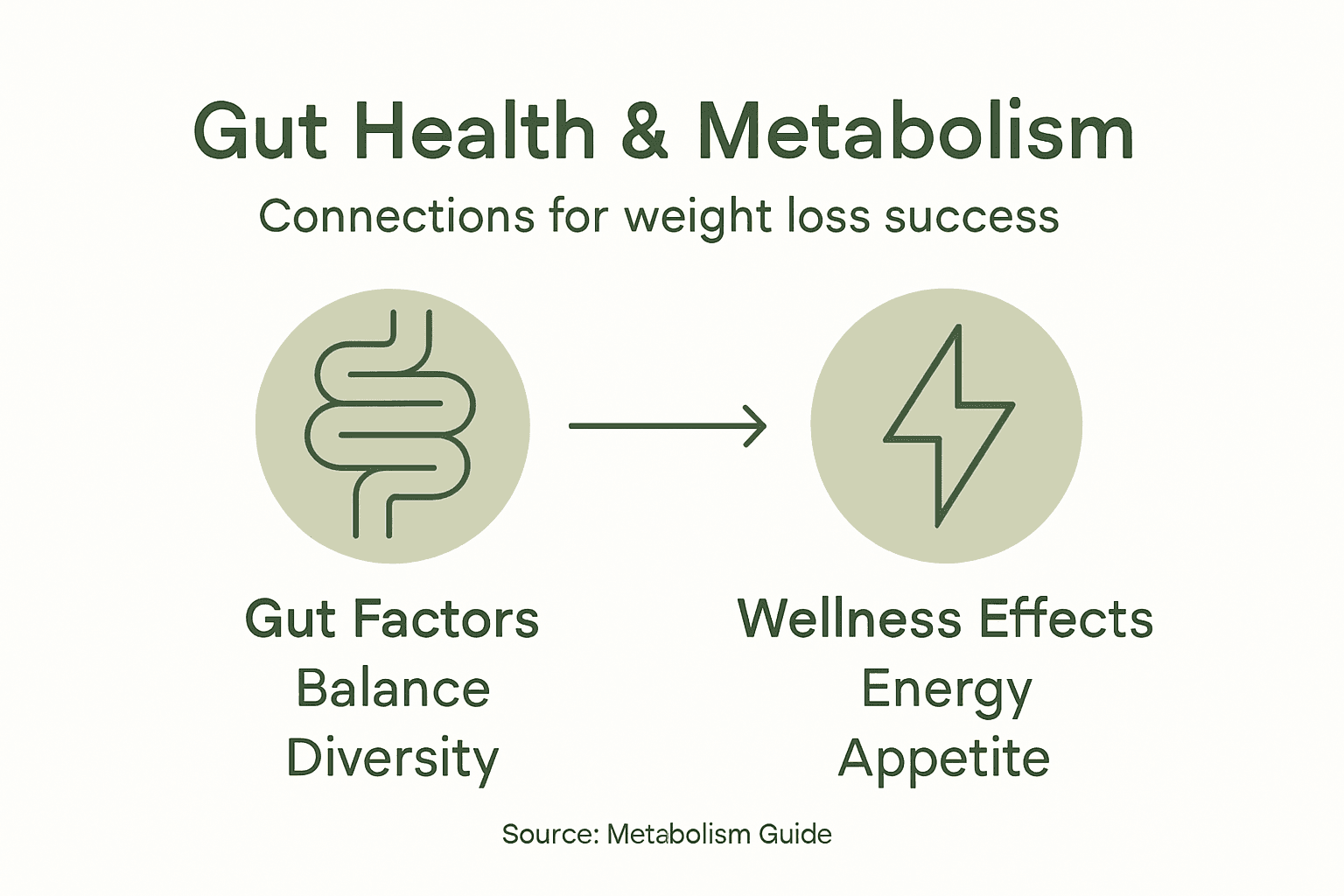
Here’s how common lifestyle factors influence gut health and overall wellness:
| Factor | Impact on Gut Microbiome | Influence on Metabolism | Wellness Effect |
|---|---|---|---|
| Diet | Shapes microbial diversity | Alters nutrient absorption | Supports immune resilience |
| Stress | Disrupts bacterial balance | Affects hormone signaling | Triggers inflammation |
| Medication | Can reduce beneficial microbes | May change metabolic rate | Risks digestive issues |
| Environmental | Modulates microbiome composition | Impacts metabolic efficiency | Affects energy levels |
Pro tip: Start tracking your diet’s impact on digestive comfort by maintaining a simple food and symptom journal to identify potential microbiome triggers.
Microbiome Diversity and Metabolism Explained
The human microbiome is a complex and dynamic ecosystem that plays a pivotal role in metabolic processes. Microbial communities in our gut represent a sophisticated network of trillions of microorganisms that do far more than simply aid digestion – they actively shape our metabolic health.
Each person’s microbiome is uniquely configured, influenced by genetic factors, dietary habits, and environmental interactions. These microscopic inhabitants perform critical metabolic functions, including:
- Breaking down complex carbohydrates
- Synthesizing essential vitamins
- Regulating energy metabolism
- Supporting immune system responses
- Modulating hormonal balance
Metabolic potential varies significantly across different life stages. Microbiome composition changes dramatically from infancy through adolescence, with microbial diversity increasing and stabilizing over time. This evolving ecosystem continuously adapts to our lifestyle choices, directly impacting our metabolic efficiency and overall health.
Understanding the intricate relationship between microbiome diversity and metabolism reveals how these microscopic organisms influence everything from nutrient absorption to weight management. The more diverse and balanced your gut microbiome, the more effectively your body can regulate metabolic processes.

Pro tip: Introduce a wide variety of fermented foods and prebiotic-rich vegetables into your diet to naturally support microbiome diversity and metabolic health.
Gut Hormones and Their Role in Weight
The intricate world of gut hormones reveals a fascinating connection between digestive processes and weight management. Gut microbiota directly influences metabolic hormones, creating a complex communication network that regulates everything from appetite to energy storage.
Key hormones involved in weight regulation include:
- Leptin: Signals body fat levels to the brain
- Ghrelin: Stimulates hunger sensations
- GLP-1: Promotes feelings of fullness
- CCK: Regulates digestive processes and appetite
- Insulin: Manages blood sugar and fat storage
Hormonal signals control weight mechanisms through sophisticated interactions between the gut, brain, and metabolic systems. When these hormonal pathways function correctly, they maintain a delicate balance of energy intake, storage, and expenditure. Disruptions in these signals can lead to unexpected weight fluctuations and metabolic challenges.
The gut’s endocrine cells act as critical regulators, releasing hormones that communicate directly with the brain about nutritional status, hunger, and metabolic needs. Understanding these complex interactions provides insights into why traditional calorie-counting approaches often fail to produce sustainable weight loss results.
Compare major gut hormones regulating appetite and weight:
| Hormone | Main Function | Effect on Weight | Notable Dietary Influence |
|---|---|---|---|
| Leptin | Signals satiety | Reduces overeating | Affected by fat intake |
| Ghrelin | Stimulates hunger | Promotes food intake | Rises with meal timing gaps |
| GLP-1 | Enhances fullness | Reduces meal size | Increased by fiber-rich foods |
| Insulin | Manages blood sugar | Controls fat storage | Stabilized by low glycemic foods |
| CCK | Supports digestion | Moderates appetite | Triggered by protein and fat |
Pro tip: Focus on whole foods that support hormonal balance, such as lean proteins, complex carbohydrates, and foods rich in omega-3 fatty acids to optimize your metabolic hormones.
How Gut Health Influences Appetite, Cravings
Appetite regulation is a complex biological process deeply rooted in the intricate communication between our gut microbiome and brain. Far more than a simple hunger mechanism, appetite involves sophisticated neural and hormonal interactions that can dramatically influence eating behaviors.
Key factors that impact appetite and cravings include:
- Gut hormone signaling
- Microbial metabolite production
- Neural pathway communication
- Hormonal balance
- Nutritional status
Microbiota-gut-brain axis communication plays a crucial role in modifying hunger signals and food preferences. The gut microbes can actually influence your cravings by producing metabolites that interact with your nervous system, potentially driving you toward specific food choices or altering your perception of hunger and satisfaction.
Understanding these complex interactions reveals why some individuals struggle with persistent cravings and difficulty managing food intake. The gut microbiome doesn’t just passively digest food – it actively communicates with your brain, potentially manipulating your appetite through a sophisticated network of hormonal and neural signals.
Pro tip: Practice mindful eating and track your food intake to identify patterns between gut health, cravings, and your microbial composition.
Inflammation, Gut Barrier, and Weight Regulation
Intestinal barrier function represents a critical defense mechanism that goes far beyond simple nutrient absorption. This complex biological interface acts as a sophisticated gatekeeper, controlling what enters your bloodstream and protecting your body from potentially harmful substances.
Key components of gut barrier integrity include:
- Tight junction proteins
- Mucus layer protection
- Immune system surveillance
- Microbiome composition
- Inflammatory response regulation
Intestinal permeability disruptions can trigger a cascade of metabolic complications. When the gut barrier becomes compromised, bacterial components like lipopolysaccharides (LPS) can slip into the bloodstream, initiating chronic inflammatory responses that directly impact weight regulation and metabolic health.
The relationship between gut barrier integrity and weight is profound. Chronic inflammation caused by increased intestinal permeability can interfere with insulin sensitivity, metabolic efficiency, and hormone signaling. This creates a destructive cycle where inflammation promotes weight gain, and excess weight further exacerbates inflammatory responses.
Pro tip: Incorporate anti-inflammatory foods like omega-3 rich fish, turmeric, and fermented vegetables to support gut barrier health and reduce systemic inflammation.
Common Gut Health Myths and Missteps
Gut health myths permeate popular wellness conversations, creating confusion about effective strategies for maintaining digestive wellness. Many individuals fall prey to oversimplified narratives that promise quick fixes or miraculous solutions without understanding the complex nature of the microbiome.
Common gut health misconceptions include:
- Probiotics are a universal cure-all
- Detox cleanses reset gut health
- One-size-fits-all dietary approaches
- Supplements can replace balanced nutrition
- Ignoring individual microbiome variations
Sustainable gut health requires nuanced strategies, not trendy quick fixes. Effective approaches demand understanding that each person’s microbiome is unique, influenced by genetics, diet, lifestyle, and environmental factors. Broad-stroke recommendations often fail because they neglect individual biological complexity.
Misinformation can lead to counterproductive behaviors that potentially harm gut health. Expensive supplements, restrictive diets, and unproven detox protocols can disrupt the delicate microbial balance, ultimately causing more harm than good. Critical thinking and evidence-based approaches are essential for genuine gut wellness.
Pro tip: Consult a registered dietitian or gastroenterologist to develop a personalized gut health strategy tailored to your specific microbiome and metabolic needs.
Unlock the Power of Gut Health for Lasting Weight Loss
If you have struggled with weight loss despite following countless diets you are not alone. This article highlights the critical role your gut microbiome, hormonal balance, and inflammation play in regulating appetite, metabolism, and weight. Understanding these complex biological systems is essential to overcoming obstacles like persistent cravings and plateaued results that many traditional diet plans overlook.
At Metabolism Guide we provide a doctor-led, evidence-based program designed to empower you with science-backed knowledge about hormones, gut health, and metabolism. Our resources help you move beyond quick fixes and calorie counting to achieve sustainable weight management by addressing the root causes outlined in this article.
Ready to change how you approach weight loss? Explore our structured video lessons, join a supportive virtual community, and get expert guidance on improving your gut health and hormonal balance. Take control today with Metabolism Guide and start your transformation toward lasting metabolic health.
Frequently Asked Questions
What is gut health and why is it important for weight loss?
Gut health refers to the balance and function of the microorganisms in your digestive system. It plays a crucial role in weight loss as a healthy gut microbiome can enhance metabolism, influence appetite regulation, and support nutrient absorption, helping maintain a healthy weight.
How do gut hormones affect weight management?
Gut hormones, such as leptin and ghrelin, regulate hunger, appetite, and energy storage. When these hormones function properly, they help control food intake and maintain a healthy weight. Disruptions in gut hormone signaling can lead to weight fluctuations and increased cravings.
What lifestyle changes can improve gut health for weight loss?
Eating a diverse diet rich in fiber, fermented foods, and healthy fats can support gut health. Additionally, managing stress, regular physical activity, and avoiding unnecessary medications can contribute to a balanced microbiome, which helps with weight regulation.
How can I track my gut health’s impact on my weight loss journey?
Maintaining a food and symptom journal can help you understand how different foods affect your gut health and appetite. Monitoring your dietary choices alongside daily weight can provide insights into your microbiome’s influence on your weight loss progress.
