

Recent data from the World Health Organization highlights a rising number of adults and children affected by underweight and unintentional weight loss in 2026. This trend poses significant health risks, including impaired immunity, decreased muscle strength, and higher mortality rates.
Our goal is to explain how a weight gain doctor offers safe, evidence-based solutions for those facing these challenges. We will outline seven ways medical professionals support healthy weight gain, from comprehensive assessment and tailored nutrition planning to ongoing monitoring and education.
If you or someone you know is struggling to gain weight, medical guidance can lead to sustainable, positive outcomes.
The Role of a Weight Gain Doctor in 2026
The role of a weight gain doctor is increasingly critical as underweight and unintentional weight loss remain significant health issues worldwide. In 2026, medical practice emphasizes a precise, evidence-based approach to diagnosing and managing these conditions. Let us examine how the expertise of a weight gain doctor supports patients through advanced assessment, multidisciplinary care, and patient-centered strategies.

Understanding the Medical Need for Weight Gain
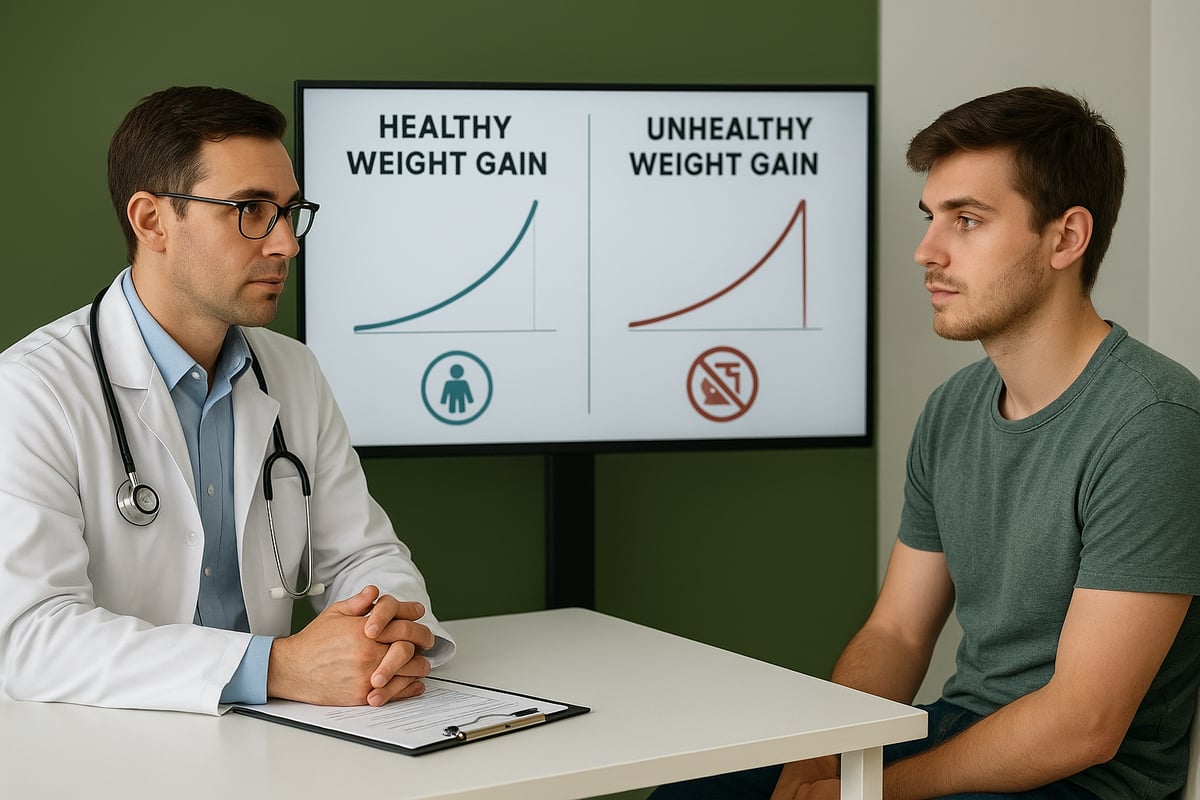
Clinical indications for seeking help from a weight gain doctor include malnutrition, chronic illness, post-surgical recovery, eating disorders, and age-related decline in body mass. According to WHO data on health risks of being underweight, individuals with low body weight face increased risks of infection, osteoporosis, impaired wound healing, and reduced quality of life. A weight gain doctor differentiates healthy, gradual weight restoration from unsafe rapid increases that can cause metabolic complications. This distinction ensures interventions are both effective and safe for long-term health.
Advances in Weight Gain Medicine by 2026
By 2026, advances in medical technology have transformed how a weight gain doctor evaluates and manages low body weight. Diagnostic tools now incorporate genetic, metabolic, and gut microbiome assessments, allowing clinicians to tailor interventions to individual biological profiles. Telemedicine platforms facilitate remote consultations and monitoring, increasing accessibility for patients in various settings. Personalized medicine, supported by robust data analytics, empowers the weight gain doctor to deliver targeted therapies, optimize outcomes, and reduce the risk of complications associated with non-specific or outdated treatment approaches.
Multidisciplinary Approach to Care
The complexity of unintentional weight loss often requires a team-based approach. A weight gain doctor collaborates with registered dietitians, psychologists, and physical therapists to address medical, nutritional, psychological, and functional aspects of care. Systematic reviews demonstrate that multidisciplinary interventions improve nutritional status and quality of life, particularly for patients with chronic diseases or coexisting mental health conditions. By integrating expertise from multiple disciplines, the weight gain doctor ensures that all contributing factors are identified and managed comprehensively, promoting sustainable recovery.
Patient-Centered, Evidence-Based Practice
Individualized care is the foundation of modern weight management. A weight gain doctor develops personalized treatment plans based on peer-reviewed evidence and current clinical guidelines, such as those from ASPEN and NICE. Shared decision-making is central to this process, engaging patients in their care and respecting their preferences, values, and goals. Ongoing monitoring, including regular follow-up visits and laboratory assessments, allows the weight gain doctor to adjust interventions as needed, ensuring progress is safe and aligned with best practices. This patient-focused methodology supports optimal long-term outcomes.
7 Ways a Weight Gain Doctor Can Help You in 2026
A weight gain doctor provides a comprehensive, patient-centered approach for individuals struggling with underweight or unintentional weight loss. In 2026, advances in diagnostics and multidisciplinary care enable tailored interventions for sustainable, safe weight gain. Below, we detail seven evidence-based strategies employed by a weight gain doctor to support optimal health outcomes.

1. Comprehensive Medical Assessment and Diagnosis
A weight gain doctor begins by thoroughly evaluating all potential causes of low body weight. This process is critical because unintentional weight loss may signal complex underlying medical conditions. We follow established guidelines from the American Society for Parenteral and Enteral Nutrition (ASPEN) and the National Institute for Health and Care Excellence (NICE) to ensure a systematic approach.
Common causes investigated include:
- Endocrine disorders, such as hyperthyroidism or adrenal insufficiency
- Gastrointestinal diseases, including celiac disease and inflammatory bowel disease
- Metabolic or genetic conditions affecting nutrient utilization
- Psychological factors, such as depression or eating disorders
Advanced diagnostic tools are employed by the weight gain doctor, including:
- Detailed medical history and symptom review
- Body composition analysis to assess muscle and fat mass
- Laboratory panels for nutritional status, inflammatory markers, and hormone levels
- Imaging and specialized tests as needed
Accurate diagnosis is essential for targeted intervention. For example, a study published in the American Journal of Clinical Nutrition found that up to 30% of underweight adults have undiagnosed gastrointestinal or endocrine conditions. Identifying these root causes enables the weight gain doctor to recommend precise treatments, improving efficiency and safety of weight gain plans. Regular re-evaluation ensures that interventions remain aligned with evolving patient needs.
2. Personalized Nutrition Therapy and Meal Planning
One of the core roles of a weight gain doctor is to design individualized nutrition interventions based on clinical best practices. Evidence from the Academy of Nutrition and Dietetics and ASPEN highlights the value of tailored meal plans for effective, sustainable weight gain.
Key components of medical nutrition therapy include:
- Calculating caloric needs for gradual, healthy weight gain
- Adjusting macronutrient ratios (carbohydrates, proteins, fats) to meet metabolic and activity requirements
- Addressing micronutrient deficiencies through targeted supplementation
- Incorporating oral nutritional supplements or fortified foods when necessary
A weight gain doctor also considers dietary restrictions, food preferences, and comorbidities. For example, patients with lactose intolerance may require dairy alternatives, while those with diabetes need careful carbohydrate management. Clinical case series demonstrate higher rates of successful weight gain and improved quality of life when nutrition plans are individualized.
For more detailed guidance, we recommend reviewing the ASPEN guidelines on nutrition therapy, which outline evidence-based approaches for caloric and nutrient optimization.
Ongoing assessment allows the weight gain doctor to adjust meal plans as patients progress, ensuring continued effectiveness and minimizing complications.
3. Safe Pharmacological Interventions When Indicated
In select cases, a weight gain doctor may prescribe medications to address appetite loss, metabolic imbalances, or underlying medical conditions contributing to low weight. Pharmacological interventions are always used in conjunction with nutrition therapy and under close medical supervision.
Commonly used medications include:
- Megestrol acetate, an appetite stimulant with demonstrated efficacy in cancer-related cachexia and chronic illness
- Dronabinol, a synthetic cannabinoid used for appetite stimulation in select populations
- Mirtazapine, an antidepressant with appetite-enhancing properties
Systematic reviews published in The Cochrane Database and JAMA report modest but significant weight increases in patients receiving these agents. The weight gain doctor carefully evaluates indications and contraindications, monitoring for potential side effects such as fluid retention, mood changes, or metabolic disturbances.
Emerging therapies, including novel ghrelin agonists and gut hormone modulators, are under investigation in ongoing clinical trials. We emphasize that all pharmacological interventions require regular follow-up and laboratory monitoring to ensure safety and effectiveness.
Appropriate medication use is determined by the weight gain doctor based on a comprehensive risk-benefit analysis, patient preferences, and up-to-date clinical evidence.
4. Management of Gastrointestinal and Absorptive Disorders
Gastrointestinal (GI) disorders can significantly impede weight gain by impairing nutrient absorption and digestion. A weight gain doctor is trained to identify and manage these complex conditions using evidence-based protocols.
Key GI conditions affecting weight include:
- Celiac disease, with malabsorption of proteins, fats, and micronutrients
- Inflammatory bowel disease (IBD), leading to chronic nutrient losses
- Exocrine pancreatic insufficiency, reducing digestive enzyme production
We follow clinical guidelines for diagnosing and managing malabsorption syndromes, such as those from the British Society of Gastroenterology and ASPEN. Interventions may include:
- Enzyme replacement therapy for pancreatic insufficiency
- Elimination diets and gluten-free regimens for celiac disease
- Probiotics and prebiotics to support gut microbiome balance
Clinical studies indicate that targeted GI management can improve weight gain outcomes by restoring nutrient absorption and reducing gastrointestinal symptoms. For example, enzyme replacement in pancreatic insufficiency has been shown to increase weight and muscle mass in affected patients.
A weight gain doctor collaborates closely with gastroenterologists and dietitians to ensure comprehensive care and optimal results.
5. Addressing Psychological and Behavioral Barriers
Weight gain is influenced not only by physical health but also by psychological and behavioral factors. A weight gain doctor works alongside mental health professionals to address these barriers, which may include disordered eating, depression, or anxiety.
Evidence from meta-analyses in The Lancet Psychiatry and International Journal of Eating Disorders highlights the effectiveness of integrated behavioral interventions. Components of psychological support may include:
- Cognitive behavioral therapy (CBT) to modify maladaptive eating patterns
- Motivational interviewing to enhance readiness for change
- Regular screening for eating disorders using validated assessment tools
Multidisciplinary care models, involving psychologists, dietitians, and the weight gain doctor, have been shown to improve both nutritional status and psychological well-being. Early identification and treatment of mental health conditions are associated with better adherence to weight gain plans and long-term maintenance of healthy body weight.
We prioritize a compassionate, nonjudgmental approach, engaging patients in shared decision-making and empowering them to overcome obstacles to recovery.
6. Monitoring Progress and Adjusting Interventions
Ongoing monitoring is essential for ensuring safe, effective weight gain. A weight gain doctor employs a combination of clinical assessments, anthropometric measurements, and laboratory tests to track patient progress.
Standard monitoring practices include:
- Regular measurement of weight, body mass index (BMI), and body composition
- Periodic laboratory tests for nutritional markers, electrolyte balance, and organ function
- Assessment of dietary intake and physical activity levels
Guidelines from ASPEN and NICE recommend gradual weight gain, typically 0.5 to 1 kilogram per week, to prevent complications such as refeeding syndrome. The weight gain doctor uses digital health tools and telemedicine platforms for remote follow-up, enhancing accessibility and patient engagement.
Data-driven adjustments are made to nutrition plans, medication regimens, or behavioral strategies based on objective findings. This individualized approach has been linked to higher rates of sustained weight gain and improved functional outcomes in clinical studies.
By maintaining close surveillance, the weight gain doctor promptly identifies and addresses any emerging issues, optimizing patient safety and long-term success.
7. Education and Long-Term Prevention Strategies
Sustainable weight gain requires ongoing education and proactive prevention strategies. A weight gain doctor provides patients and families with the knowledge and resources needed to maintain healthy body weight and prevent relapse.
Educational components include:
- Guidance on balanced meal planning, food safety, and portion control
- Strategies for recognizing early signs of weight loss or nutritional deficiencies
- Resources for accessing community-based support and peer networks
We reference public health recommendations from organizations such as the World Health Organization (WHO) and the Centers for Disease Control and Prevention (CDC) to ensure up-to-date, evidence-based information. Transition planning is especially important for pediatric, adolescent, and geriatric patients, as nutritional needs change throughout the lifespan.
Examples of successful prevention programs include school-based nutrition education and support groups for older adults. The weight gain doctor collaborates with primary care providers, social workers, and community organizations to facilitate long-term health and quality of life improvements.
Through comprehensive education and prevention planning, we empower patients to achieve and sustain healthy weight outcomes well into the future.
Risks of Unsupervised Weight Gain Approaches
Unsupervised attempts at weight gain can expose individuals to significant health risks. While some may believe gaining weight is as simple as increasing calorie intake, evidence indicates that improper methods can be harmful. Consulting a weight gain doctor is essential for minimizing these risks and ensuring safe, effective outcomes.
Common Pitfalls and Health Risks
Many individuals try to gain weight through self-directed methods, often without understanding the potential consequences. Without guidance from a weight gain doctor, people may consume excessive calories from unhealthy sources, use unregulated supplements, or follow fad diets lacking scientific support.
Clinical studies reveal that such practices can lead to complications like metabolic syndrome, insulin resistance, fatty liver disease, and cardiovascular issues. Additionally, rapid weight gain from poor-quality foods increases the risk of nutrient imbalances and gastrointestinal distress.
Unregulated supplements are particularly concerning. These products may contain undeclared substances or contaminants, which can interact negatively with existing medical conditions. Evidence suggests that unsupervised approaches not only fail to address underlying medical causes but also increase the likelihood of adverse events.
Evidence-Based Recommendations for Safety
Major health organizations, including the World Health Organization and the National Institute for Health and Care Excellence, have published guidelines on safe weight gain. These recommendations stress the importance of gradual, supervised increases in caloric intake, prioritizing nutrient-dense foods and individualized care.
A weight gain doctor uses evidence-based protocols to tailor interventions and prevent complications such as refeeding syndrome or metabolic disturbances. Professional oversight ensures that weight gain is achieved safely and sustainably, with regular monitoring to detect and address any emerging issues.
For detailed guidance, the NICE guidelines on weight management provide authoritative recommendations that reinforce the necessity of medical supervision throughout the process.
Case Examples and Data
Several anonymized case reports demonstrate the dangers of unsupervised weight gain. In one instance, a young adult attempted rapid weight gain through high-fat, high-sugar diets and unregulated supplements. This resulted in acute pancreatitis and severe electrolyte imbalance, necessitating hospitalization.
Population-level data from peer-reviewed sources indicate that complications from self-directed weight gain approaches are not rare. Studies estimate that up to 20% of individuals who attempt weight gain without medical input experience adverse effects, compared to significantly lower rates among those managed by a weight gain doctor.
These findings underscore the value of seeking professional assessment and support to avoid preventable complications and achieve optimal health outcomes.
Who Should Seek Help from a Weight Gain Doctor?
Identifying when to consult a weight gain doctor is essential for timely and effective intervention. Clinical guidelines and research highlight specific criteria, vulnerable populations, and the measurable benefits of early specialist involvement.

Clinical Criteria and Red Flags
Medical experts recommend referral to a weight gain doctor for individuals with unexplained weight loss, persistent underweight status, or symptoms suggestive of underlying disease. Clinical criteria include body mass index (BMI) below 18.5, rapid weight loss exceeding 5 percent of body weight in six months, and signs of malnutrition such as muscle wasting or fatigue.
Patients with chronic conditions like gastrointestinal disorders, endocrine dysfunction, or those recovering from major surgery should also be evaluated. Red flags include difficulty swallowing, persistent vomiting, and poor appetite despite adequate food availability.
A weight gain doctor uses comprehensive assessments, including metabolic health evaluations. For further details on metabolic assessment in underweight individuals, see Metabolic health explained. Early identification ensures prompt investigation and tailored management.
Population Groups at Increased Risk
Certain groups face elevated risks and should consider consulting a weight gain doctor. These include older adults, who commonly experience age-related muscle loss and decreased appetite, and children with growth delays or failure to thrive. Patients recovering from surgery or living with chronic illnesses such as cancer, heart failure, or inflammatory bowel disease are also vulnerable.
Epidemiological studies indicate that unintentional weight loss affects up to 15 percent of elderly individuals and 8 percent of hospitalized patients. Early intervention by a weight gain doctor can address unique challenges within these populations, improving clinical outcomes and overall quality of life.
Benefits of Early Intervention
Evidence consistently shows that prompt referral to a weight gain doctor leads to better health outcomes. Early specialist involvement allows for timely diagnosis, prevention of further weight loss, and initiation of individualized treatment plans.
Research demonstrates improved nutritional status, faster recovery times, and reduced hospital readmissions when patients receive early, multidisciplinary care. Engaging with a weight gain doctor at the onset of concerning symptoms offers the best opportunity for sustained improvement in physical health, functional capacity, and long-term prevention of complications.
After exploring how a weight gain doctor can make a real difference through personalized care, advanced diagnostics, and ongoing support, you may be considering your own next steps. If you’re looking for a reliable, science-backed way to improve your metabolic health and address underweight concerns, I encourage you to take the first step towards lasting change. You don’t have to navigate this journey alone—we’re here to guide you with expert knowledge and proven methods.
Access our evidence based metabolic health program
and discover how structured, doctor led support can help you achieve healthy, sustainable weight gain.
