
Obesity continues to rise worldwide, and in 2026, the need for safe, effective weight management is more urgent than ever. Despite the abundance of information, many people struggle to navigate the confusion caused by conflicting advice and the potential dangers of unproven fad diets.
To address these challenges, a dr weight loss approach guided by medical expertise and scientific evidence offers a reliable solution. This method emphasizes personalized care and long-term health, avoiding the pitfalls of quick fixes.
In this comprehensive guide, we outline each step of an evidence-based roadmap. We cover medical assessment, goal setting, intervention strategies, and ongoing support, providing a clear, structured path to sustainable weight loss.
Our aim is to empower readers with knowledge, helping you make informed decisions for effective, medically validated weight management.
Understanding the Science of Weight Loss in 2026
The prevalence of obesity continues to rise, making a scientific understanding of dr weight loss essential in 2026. Evidence-based, doctor-led approaches rely on unraveling both biological and environmental factors influencing weight regulation. By examining these mechanisms, we can better tailor interventions for lasting results.

The Biological Mechanisms of Weight Regulation
At the core of dr weight loss lies the principle of energy balance: weight is regulated by the relationship between calories consumed and calories expended. The National Institutes of Health (NIH, 2023) reinforces that sustained caloric deficits are necessary for weight reduction. However, this balance is complicated by hormonal signals. Leptin, ghrelin, and insulin play pivotal roles in regulating appetite, satiety, and metabolic rate.
Genetics further modulate an individual’s response to dr weight loss interventions. Inherited variants can affect metabolism, fat storage, and even food preferences. Epigenetic changes, influenced by environment and lifestyle, may also alter weight loss potential across generations.
The gut microbiome represents another frontier. Recent research, including a 2022 Lancet Gastroenterology & Hepatology review, demonstrates that microbial composition can influence energy extraction from food and modulate inflammation. Randomized controlled trials (RCTs) now show that targeted modulation of gut bacteria can enhance weight loss outcomes.
Demographic factors such as age, sex, and ethnicity also shape the effectiveness of dr weight loss strategies. For example, older adults may experience slower metabolic rates, while certain ethnic groups may have higher genetic predispositions to obesity.
To visualize these mechanisms, consider the following summary table:
| Mechanism | Evidence Source | Impact on Weight Loss |
|---|---|---|
| Energy Balance | NIH, 2023 | Fundamental determinant |
| Hormonal Regulation | Peer-reviewed studies | Appetite/metabolism |
| Genetics/Epigenetics | Twin/family studies | Individual variability |
| Gut Microbiome | RCTs, Lancet 2022 | Modulates outcomes |
| Demographics | CDC, population studies | Alters response rates |
According to the CDC, adult obesity prevalence in the US reached 42 percent in 2022, highlighting the urgency for effective interventions. For a more in-depth exploration, see Evidence-based weight loss science.
Environmental and Behavioral Contributors
While biology is foundational, environmental and behavioral factors critically impact dr weight loss outcomes. Since the COVID-19 pandemic, sedentary lifestyles and increased screen time have become more prevalent, reducing daily energy expenditure. The food environment, characterized by the easy availability of processed, calorie-dense foods, larger portion sizes, and targeted marketing, further complicates healthy choices.
Psychological drivers, including chronic stress, sleep deprivation, and emotional eating, are well-established contributors to weight gain. Systematic reviews consistently link sleep durations of less than six hours with higher body mass index (BMI), emphasizing the need for holistic dr weight loss strategies.
Socioeconomic disparities also play a significant role. Limited access to affordable, nutritious foods and safe spaces for physical activity disproportionately affect lower-income populations, creating barriers to successful weight management.
The following table summarizes key environmental and behavioral factors:
| Factor | Evidence Type | Effect on Weight |
|---|---|---|
| Sedentary Lifestyle | Observational studies | Increased risk |
| Food Environment | Systematic reviews | Promotes overeating |
| Psychological Stress | Meta-analyses | Drives emotional eating |
| Sleep Deprivation | Systematic reviews | Higher BMI |
| Socioeconomic Status | Population studies | Limits healthy choices |
Understanding and addressing these contributors is central to any effective dr weight loss program. By integrating both biological and environmental knowledge, we can support more sustainable, individualized interventions.
Step 1: Comprehensive Medical Assessment and Goal Setting
A thorough, doctor-led evaluation is the cornerstone of any effective dr weight loss program. Current guidelines recommend that individuals seeking weight management begin with a structured, evidence-based medical assessment. This approach ensures that any underlying health issues influencing weight are identified and addressed before intervention strategies are implemented.
Evidence-Based Initial Evaluation
The initial step in dr weight loss involves a comprehensive, physician-led assessment. According to NHS 2024 guidelines, this process begins with a detailed medical history and physical examination. We screen for comorbidities such as type 2 diabetes, hypertension, and obstructive sleep apnea, as these conditions often coexist with obesity and may alter treatment plans.
Key components of the assessment include:
- Measuring body mass index (BMI), waist circumference, and body composition.
- Reviewing current medications and screening for secondary causes like hypothyroidism or medication-induced weight gain.
- Ordering laboratory tests, including fasting glucose, lipid profile, and liver function tests.
- Applying validated risk assessment tools, such as QRISK3, to estimate cardiovascular risk.
This structured evaluation identifies individual risk factors and ensures safe, effective management. For a detailed overview of the advantages of doctor-led weight loss, evidence highlights improved patient safety and tailored interventions.
Setting Realistic and Individualized Goals
Once the medical evaluation is complete, the next phase in dr weight loss is setting measurable, achievable targets. We apply the SMART framework, focusing on goals that are Specific, Measurable, Achievable, Relevant, and Time-bound. For most adults, clinical guidelines suggest aiming for a 5 to 10 percent reduction in body weight over six months, as supported by CDC recommendations.
A typical SMART goal table:
| Component | Example |
|---|---|
| Specific | Lose 7 kg by December |
| Measurable | Track weight weekly |
| Achievable | Based on baseline health and readiness |
| Relevant | Reduces diabetes risk |
| Time-bound | Six months |
Assessing patient motivation and readiness to change is essential. Meta-analyses indicate that structured goal setting improves adherence and long-term outcomes. Shared decision-making between clinician and patient further enhances engagement and satisfaction within a dr weight loss plan.
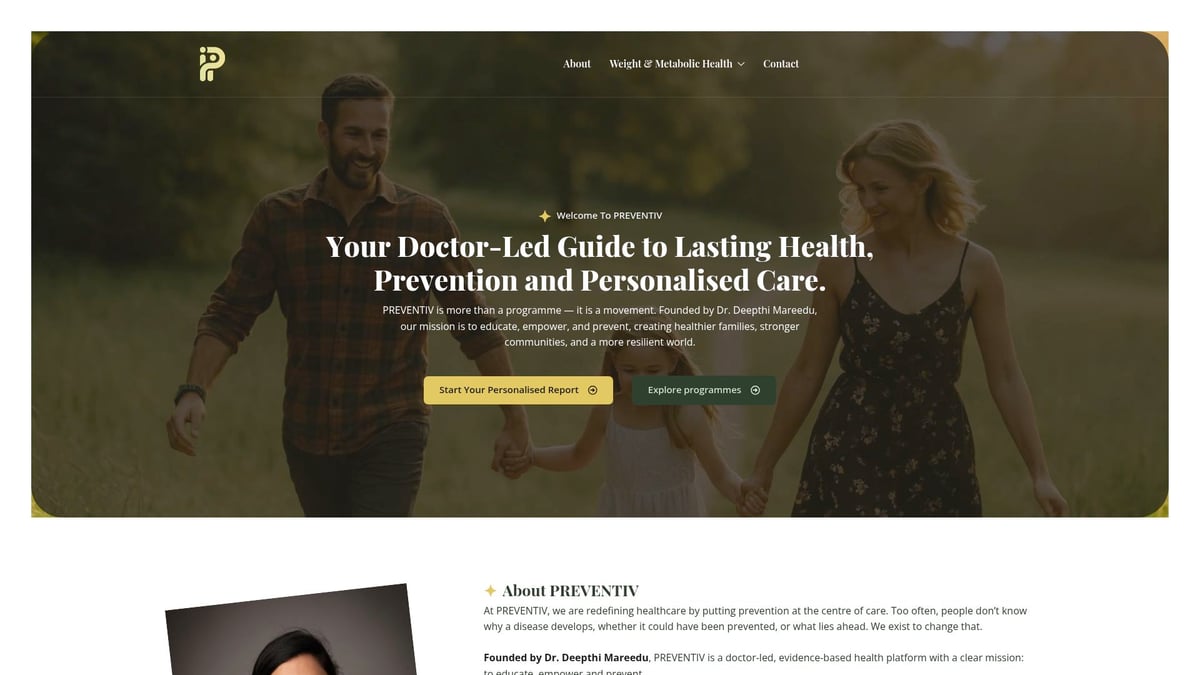
PREVENTIV: Doctor-Led, Evidence-Based Weight Management
PREVENTIV’s dr weight loss approach begins with a comprehensive, physician-led assessment, addressing metabolic, behavioral, and gut health factors. Our individualized risk profiling and structured weight management programs are fully aligned with national medical guidelines.
Key features include:
- Comprehensive medical assessments and risk stratification.
- Evidence-based education and myth-busting resources.
- Personalized intervention plans and ongoing professional support.
By empowering patients through education and ongoing support, PREVENTIV addresses the root causes of obesity rather than symptoms alone. This method ensures that dr weight loss strategies are sustainable, safe, and tailored to each individual, supporting long-term success.
Step 2: Designing a Personalised, Multi-Modal Intervention Plan
Creating an effective dr weight loss strategy in 2026 requires a comprehensive, tailored intervention plan. Current evidence indicates that combining nutrition, physical activity, behavioral support, and, when appropriate, medical therapies leads to superior outcomes. Each component must be personalized based on medical assessment, preferences, and risk factors.

Nutrition: Evidence-Based Dietary Strategies
Nutritional intervention is foundational in dr weight loss programs. Evidence from systematic reviews highlights that a sustainable calorie deficit is essential for weight reduction, regardless of dietary pattern. Popular evidence-based approaches include the Mediterranean, DASH, plant-based, and low-carbohydrate diets. Each has demonstrated efficacy for weight loss and cardiometabolic health, though individual responses vary.
| Dietary Pattern | Key Features | Evidence for Weight Loss |
|---|---|---|
| Mediterranean | High in fruits, vegetables, olive oil, lean protein | Strong (RCTs, meta-analyses) |
| DASH | Focus on low sodium, high produce, lean dairy | Moderate to strong |
| Plant-based | Emphasizes legumes, whole grains, minimal animal products | Moderate |
| Low-carb | Restricts carbohydrates, higher protein/fat | Effective short-term |
Macronutrient distribution and increasing dietary fiber intake are also important. Reducing ultra-processed foods and sugar-sweetened beverages aligns with global recommendations. Notably, randomized trials confirm that the Mediterranean diet is effective for long-term weight maintenance. For sustainable results, we should focus on sustainable weight loss strategies, integrating evidence-based nutrition with patient preferences.
Physical Activity and Exercise Prescription
Physical activity is a critical element of any dr weight loss plan. The World Health Organization recommends at least 150 minutes per week of moderate-intensity exercise for adults. Both aerobic and resistance exercises contribute to fat loss and muscle preservation, with combined approaches yielding the most effective results according to meta-analyses.
Resistance training is particularly important for maintaining resting metabolic rate during caloric restriction. Incorporating non-exercise activity thermogenesis, such as walking, taking stairs, or standing, can further boost daily energy expenditure.
Common barriers to physical activity include limited time, motivation, or injury. Evidence-based strategies to address these challenges involve structured scheduling, goal setting, and use of digital reminders or activity trackers. Dr weight loss protocols often recommend starting with achievable goals and gradually increasing intensity or duration under professional guidance.
Behavioral and Psychological Interventions
Behavioral and psychological support are essential for lasting dr weight loss outcomes. Cognitive-behavioral therapy is supported by multiple systematic reviews as an effective tool for modifying unhealthy eating patterns. Techniques such as mindful eating help individuals recognize hunger cues and reduce emotional eating.
Stress management and sufficient sleep are also critical, as both can influence appetite-regulating hormones. Digital health tools, including mobile applications and telemedicine platforms, offer self-monitoring and real-time feedback, which have been shown to improve adherence.
Group-based interventions and professional counseling further enhance motivation and accountability. Integrating behavioral therapies with other components of dr weight loss plans increases the likelihood of sustained weight loss and minimizes relapse risk.
Pharmacological and Medical Interventions
Pharmacological therapies may be indicated for some individuals within the dr weight loss framework, particularly when lifestyle interventions alone are insufficient. According to current NICE guidelines, medications such as GLP-1 receptor agonists, orlistat, and naltrexone-bupropion are approved for specific populations with elevated health risks.
Semaglutide, for example, has demonstrated 10-15% weight loss in phase 3 clinical trials. These medications should be prescribed and monitored by qualified clinicians, as they may have side effects or contraindications.
Medical supervision is necessary to ensure efficacy and safety, especially when combining pharmacotherapy with lifestyle changes. Regular follow-up and adjustment of therapy are key components of responsible dr weight loss management.
Step 3: Ongoing Monitoring, Support, and Relapse Prevention
Effective weight management requires more than an initial plan. Sustained progress depends on continuous evaluation, professional support, and proactive strategies to prevent relapse. In this step of the dr weight loss approach, we focus on structured monitoring, building supportive environments, and evidence-based methods for long-term success.

Regular Progress Tracking and Clinical Follow-Up
Ongoing clinical follow-up is crucial for sustained dr weight loss outcomes. Regular visits allow healthcare professionals to monitor weight, vital signs, and laboratory indicators such as glucose and lipid profiles. This process helps identify early signs of plateau or complications, enabling timely adjustments.
Digital health tools now play a central role. Remote monitoring apps facilitate daily tracking of weight, dietary habits, and activity levels, providing real-time feedback to both patients and clinicians. For example, the NHS digital weight management programmes have demonstrated improved adherence and better outcomes when combined with frequent clinical contact.
A comprehensive dr weight loss program includes medical evaluation, structured monitoring, and access to professional guidance. According to recent guidelines, integrating medical support in weight loss improves long-term adherence and safety. Adjustments to intervention plans are made based on progress, ensuring that individual needs are addressed promptly.
Building a Supportive Environment
A supportive environment is a fundamental pillar of successful dr weight loss. Evidence suggests that family involvement, peer groups, and community-based interventions all contribute to better engagement and outcomes.
Family support increases accountability and motivation, while structured group sessions offer shared experiences and coping strategies. Workplace wellness initiatives and local health programs can further reinforce healthy habits and reduce social isolation.
Addressing weight stigma is also vital. Positive body image and psychological well-being should be promoted throughout the dr weight loss journey. Studies indicate that group-based support interventions are associated with higher long-term success rates compared to individual efforts. Creating an inclusive, empathetic space enhances self-efficacy and resilience.
Strategies for Preventing Weight Regain
Preventing weight regain remains one of the most significant challenges in dr weight loss management. Identifying relapse triggers, such as stress or changes in routine, allows for early intervention. Maintenance strategies include regular physical activity, ongoing dietary vigilance, and continuous self-monitoring.
Clinical studies show that over 80 percent of individuals experience weight regain without structured support. This underscores the importance of lifelong habits over short-term solutions. Dr weight loss programs emphasize long-term behavioral change, equipping individuals with tools to recognize setbacks and resume healthy routines promptly.
Key relapse prevention tactics involve scheduling regular check-ins, setting realistic expectations, and encouraging participation in ongoing support networks. Sustained success is built on education, self-awareness, and proactive management of risk factors throughout the dr weight loss process.
Step 4: Addressing Special Populations and Emerging Therapies
Individual responses to weight management interventions can vary significantly. Addressing the unique needs of special populations and integrating emerging therapies is essential for an effective dr weight loss strategy.
Weight Loss in Specific Populations
Different populations require tailored dr weight loss interventions. Children and adolescents benefit from family-centered approaches, with a focus on healthy habits rather than restrictive diets. Clinical guidelines prioritize growth, development, and long-term behavioral change over rapid weight reduction.
Older adults face unique challenges, including age-related muscle loss and chronic conditions. Interventions for this group emphasize preserving lean mass, maintaining mobility, and monitoring for nutritional deficiencies. Patients with comorbidities such as type 2 diabetes, polycystic ovary syndrome, or cardiovascular disease need integrated care, often involving multidisciplinary teams.
Cultural, gender, and socioeconomic factors influence both the risk of obesity and the effectiveness of interventions. Evidence suggests that culturally tailored programs, which consider dietary patterns, beliefs, and community resources, improve outcomes in ethnic minority groups. A recent analysis, as detailed in Obesity In America: Statistics and Facts (2026), highlights disparities in obesity prevalence across age, sex, and ethnicity, underscoring the importance of personalized care.
In summary, effective dr weight loss management in special populations relies on individual assessment, cultural competence, and evidence-based adaptation of standard protocols.
Advances in Medical and Surgical Therapies
Medical and surgical options are evolving rapidly in the dr weight loss field. Bariatric surgery remains the most effective intervention for severe obesity, with established procedures including sleeve gastrectomy, gastric bypass, and adjustable gastric banding. Each technique offers distinct benefits and risks, and selection is guided by patient-specific factors and comorbidities.
| Procedure | Indication | Typical Weight Loss | Key Risks |
|---|---|---|---|
| Sleeve Gastrectomy | BMI ≥35 with comorbidities | 25–30% | Leak, nutritional deficits |
| Gastric Bypass | BMI ≥40 or ≥35 w/ disease | 30–35% | Dumping, micronutrient deficiency |
| Endoscopic Options | BMI 30–40 | 10–15% | Less invasive, lower efficacy |
Emerging therapies include modulation of the gut microbiome and gene editing, with early-phase studies indicating potential for future dr weight loss interventions. However, evidence remains preliminary, and long-term safety is not yet established. Current guidelines recommend these options only within clinical trials or specialized centers.
We must remain vigilant about the evolving evidence base and balance innovation with established safety standards. For now, surgical and medical therapies are best applied in the context of comprehensive, multidisciplinary care, ensuring all dr weight loss decisions are patient-centered and evidence-driven.
Step 5: Long-Term Sustainability and Future Directions in Weight Management
Sustaining weight loss is a critical challenge in obesity care. After initial progress, many individuals struggle to maintain results. The dr weight loss approach emphasizes the transition from active intervention to lifelong weight management, focusing on practical strategies and evidence-based tools for ongoing success.
Building Lifelong Healthy Habits
Long-term weight management depends on establishing habits that can be maintained over years. The dr weight loss pathway guides individuals as they move from active weight reduction to a maintenance phase, where the focus shifts to sustaining healthy routines.
Key elements include regular physical activity, balanced nutrition, and effective stress management. Evidence from meta-analyses shows that integrating these behaviors into daily life reduces the risk of weight regain. Continued monitoring, such as using food diaries or activity trackers, helps reinforce accountability.
Education remains essential. We recommend ongoing learning about nutrition, physical activity, and behavioral health. The dr weight loss approach supports patients through structured follow-up and professional guidance, helping them adapt strategies as life circumstances change.
Innovations and Trends in 2026
Recent advances in digital health are transforming weight management. AI-driven personalized plans, remote monitoring, and telehealth enable tailored interventions and real-time feedback. Studies suggest these tools improve engagement and outcomes for patients following a dr weight loss program.
Policy changes, including taxes on sugar-sweetened beverages and mandatory menu labeling, are part of a broader effort to address the obesity epidemic. Projections indicate that the prevalence of obesity in the U.S. is set to reach 46.9 percent by 2035, underscoring the urgency for innovative, scalable solutions.
We also see workplace wellness programs and community-based initiatives gaining traction. The integration of digital therapeutics into clinical practice may further enhance the dr weight loss model, supporting sustainable change.
Limitations and Evolving Evidence
Despite significant progress, limitations remain in our understanding of long-term weight management. Emerging research on the gut microbiome and nutrigenomics holds promise, but current evidence is not yet sufficient to guide personalized interventions for every patient within a dr weight loss plan.
Individual variability in response to different strategies is well documented. This highlights the need for ongoing research and adaptation of guidelines. We encourage clinicians and patients to stay informed about new developments and to approach novel therapies with scientific rigor.
As the field evolves, the dr weight loss approach remains grounded in established medical principles, adapting as new evidence emerges while prioritizing patient safety and long-term health.
As you’ve seen, achieving lasting weight loss isn’t about shortcuts or one-size-fits-all solutions—it’s about understanding your unique biology, making informed choices, and having expert support every step of the way. If you’re ready to take the next step and put these evidence-based strategies into action, I encourage you to explore a science-backed approach to weight loss. This is your chance to move forward with a program grounded in real science and guided by clinical expertise—so you can reach your goals and maintain them for years to come.
