
As we approach 2026, the demand for rapid, evidence-based weight loss solutions continues to grow among individuals seeking effective and sustainable results. The fast 800 keto approach uniquely integrates moderate calorie restriction with ketogenic principles, setting it apart from conventional diets through its scientific foundation and focus on metabolic health.
In this medically informed guide, we explore how fast 800 keto offers a structured pathway to achieve quick, safe, and lasting weight management. We present an overview of its underlying mechanisms, review clinical evidence, provide step-by-step implementation strategies, discuss practical considerations, and address limitations based on current research.
Understanding the Fast 800 Keto Approach
The fast 800 keto approach is a medically supervised dietary protocol that integrates moderate calorie restriction with ketogenic macronutrient ratios. This method aims to induce rapid, evidence-based weight loss while supporting metabolic health. Unlike traditional diets, fast 800 keto emphasizes both scientific rigor and practical sustainability, making it a subject of growing interest in obesity management.

Origins and Scientific Foundations
The fast 800 keto diet combines two well-established nutritional strategies: a moderate calorie restriction (approximately 800 kcal per day) and ketogenic macronutrient distribution. This approach evolved from both traditional ketogenic diets and very low-calorie diets used in clinical settings for obesity and metabolic syndrome.
Key differences set fast 800 keto apart from classic ketogenic regimens. The carbohydrate threshold is higher, typically allowing up to 50 grams per day, which supports adherence and offers more dietary flexibility. Mediterranean dietary influences—such as olive oil, fatty fish, non-starchy vegetables, and high-quality proteins—are emphasized to enhance nutrient density and promote cardiovascular health.
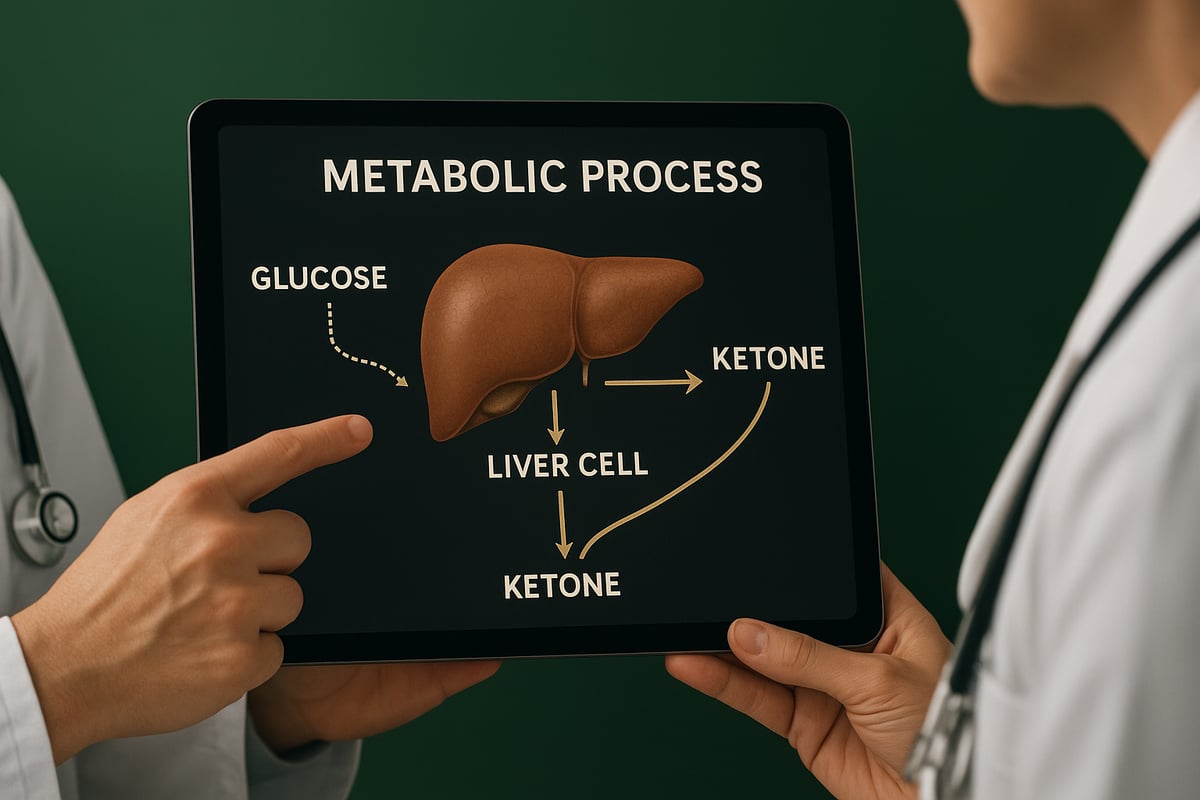
Metabolically, fast 800 keto induces ketosis, prompting a switch from glucose to fat oxidation as the primary energy source. This mechanism is achieved through carbohydrate restriction and a significant reduction in total caloric intake. The distinction between nutritional ketosis (from macronutrient manipulation) and fasting-induced ketosis is clinically important, as both states increase circulating ketone bodies but may differ in hormonal and metabolic effects.
Peer-reviewed clinical trials have demonstrated that very low-calorie ketogenic diets can produce substantial weight loss and improvements in metabolic markers among individuals with obesity and metabolic syndrome. Compared to classic ketogenic diets, fast 800 keto protocols often result in better adherence and fewer side effects, partly due to the Mediterranean emphasis and more moderate carbohydrate intake. For a comprehensive review of clinical efficacy and safety, see this systematic review on VLCKD efficacy and safety.
Emphasis is also placed on fiber intake, unsaturated fats, and micronutrient adequacy, addressing common nutritional shortcomings of standard ketogenic diets. These adjustments contribute to improved tolerability and long-term feasibility.
Clinical Rationale for Rapid Weight Loss
The clinical rationale for the fast 800 keto approach is grounded in evidence that rapid, intensive weight loss can yield significant improvements in insulin sensitivity and reduction of metabolic risk factors. Mechanistically, a swift reduction in adiposity leads to decreased hepatic and pancreatic fat, which is closely linked to better glycemic control and reversal of type 2 diabetes in some individuals.
Randomized controlled trials indicate that short-term, intensive interventions using fast 800 keto can be both safe and effective when conducted under medical supervision. Most guidelines recommend a maximal duration of 8 to 12 weeks for such protocols to minimize risks and ensure nutritional adequacy.
Compared to gradual weight loss strategies, fast 800 keto offers the benefit of prompt clinical improvements, which can enhance patient motivation and adherence. However, rapid weight loss protocols may also carry risks, including transient side effects and potential for weight regain if not followed by a structured maintenance phase. Therefore, individualized assessment and ongoing monitoring are essential components of care.
In summary, the fast 800 keto approach leverages metabolic science and clinical trial data to support rapid, safe, and sustainable weight reduction. While promising, its application should be tailored to individual needs, with careful attention to safety and long-term outcomes.
Mechanisms of Action: How Fast 800 Keto Works
Understanding the mechanisms behind the fast 800 keto approach is essential for evaluating its efficacy and safety. This method combines caloric restriction with ketogenic macronutrient balance to drive rapid metabolic changes. Below, we explore how this process induces ketosis and how it affects metabolic health.
Induction and Maintenance of Ketosis
The fast 800 keto protocol initiates ketosis by sharply reducing daily carbohydrate intake to less than 50 grams while maintaining total energy intake at approximately 800 kilocalories. This dual restriction leads to a rapid depletion of liver glycogen stores, prompting the liver to convert fatty acids into ketones, which become the primary energy source for peripheral tissues.
Clinical studies indicate ketosis typically begins within 2 to 5 days of strict adherence to fast 800 keto guidelines. Hepatic ketone production is accompanied by a marked reduction in circulating insulin levels, which facilitates increased lipolysis and mobilization of adipose tissue for energy.
A notable aspect of the fast 800 keto approach is its impact on appetite regulation. Ketosis influences key hormones, including ghrelin, leptin, and peptide YY, resulting in suppressed hunger and improved satiety. Evidence from randomized trials demonstrates that these hormonal adaptations support adherence and reduce caloric intake. For a deeper understanding of these hormonal effects, see Hormonal Traps of Obesity.
Compared to traditional ketogenic diets, fast 800 keto is associated with a more rapid onset of ketosis and greater reductions in appetite, likely due to combined effects of calorie and carbohydrate restriction. This synergy is crucial for achieving quick, clinically significant weight loss.
Effects on Metabolic Health
The metabolic benefits of fast 800 keto are supported by a growing body of clinical evidence. Controlled trials report significant improvements in glycemic control, with reductions in fasting glucose and HbA1c among individuals with obesity or prediabetes. Insulin sensitivity is enhanced, and hepatic steatosis is often reduced after several weeks of intervention.
In addition, reductions in visceral adiposity and improvements in lipid profiles, including lower triglycerides and higher HDL cholesterol, have been documented in fast 800 keto studies. These effects contribute to lower cardiovascular risk markers and overall metabolic risk.
Below is a summary of key metabolic changes observed in published protocols:
| Parameter | Baseline | Post Fast 800 Keto | Typical Change |
|---|---|---|---|
| Fasting Glucose (mmol/L) | ~6.0 | 4.5–5.0 | -1.0 to -1.5 |
| HbA1c (%) | 6.5–7.0 | 5.5–6.0 | -0.5 to -1.0 |
| Triglycerides (mmol/L) | 1.8 | 1.1–1.3 | -0.4 to -0.7 |
| HDL Cholesterol (mmol/L) | 1.1 | 1.3–1.4 | +0.2 to +0.3 |
| Liver Fat (%) | >10 | <5 | -5% to -7% |
Emerging research suggests the fast 800 keto protocol may also offer neuroprotective benefits, including improved cognitive function and reduced neuroinflammation, although these findings require further large-scale validation.
In summary, fast 800 keto initiates rapid metabolic shifts through ketosis, hormonal modulation, and targeted nutrient intake, resulting in clinically meaningful improvements in metabolic health.
Evidence Summary: Clinical Outcomes and Safety
The clinical evidence for the fast 800 keto approach is grounded in large-scale trials and systematic reviews evaluating very low-calorie ketogenic diets. We see consistent findings regarding rapid weight loss, significant metabolic improvements, and a defined safety profile. Below, we summarize the main outcomes associated with fast 800 keto, focusing on efficacy, cardiometabolic benefits, safety considerations, and long-term sustainability.

Weight Loss Efficacy
Randomized controlled trials and meta-analyses consistently demonstrate that the fast 800 keto protocol leads to substantial weight reduction over short-term periods. Studies report average losses ranging from 5 to 10 kg within the first four to eight weeks, with some protocols achieving over 15 kg at 12 weeks. Compared to standard ketogenic or low-fat diets, fast 800 keto often achieves greater initial weight loss due to its dual strategy of calorie restriction and ketosis.
Importantly, evidence indicates that the fast 800 keto approach preserves lean body mass and resting metabolic rate more effectively than traditional low-calorie diets. This preservation is attributed to the higher protein intake and the metabolic effects of ketosis. However, the magnitude of these benefits may vary based on individual adherence and baseline metabolic status. Maintaining these results requires structured transition planning, as rapid weight loss can predispose to subsequent weight regain if not managed appropriately.
Metabolic and Cardiovascular Benefits
Clinical data show that fast 800 keto produces significant improvements in glycemic control, insulin resistance, and lipid profiles. Trials involving individuals with type 2 diabetes or prediabetes have documented reductions in HbA1c and fasting plasma glucose, with some participants achieving normoglycemia. Blood pressure, triglycerides, and LDL cholesterol levels also tend to decrease, while HDL cholesterol often increases.
Key Metabolic Outcomes Observed:
| Outcome | Change (Typical) | Evidence Source |
|---|---|---|
| Weight | -7 to -15 kg (8–12 weeks) | RCTs, Meta-analyses |
| HbA1c | -0.6% to -1.5% | Diabetes-focused VLCKD trials |
| Triglycerides | -20% to -30% | Systematic Reviews |
| HDL Cholesterol | +5% to +15% | RCTs, Meta-analyses |
| Blood Pressure | -5 to -10 mmHg | Clinical Trials |
Emerging evidence also supports improvements in hepatic steatosis and markers of metabolic syndrome. For a comprehensive review of cardiometabolic risk and ketogenic diets, we recommend the ACC on low-carb diets and cardiometabolic risk summary.
Safety Profile and Monitoring
The safety of the fast 800 keto method has been evaluated in multiple clinical settings. Common adverse effects include transient symptoms such as headaches, fatigue, mild gastrointestinal upset, and the so-called "keto flu." These effects typically resolve with adequate hydration and electrolyte management. More serious risks, such as hypoglycemia or significant electrolyte imbalances, are rare when the protocol is closely monitored.
Contraindications include pregnancy, active eating disorders, severe renal or hepatic impairment, and certain chronic illnesses. Medical supervision is essential, particularly for individuals taking glucose-lowering medications or with complex health histories. Baseline laboratory assessment and ongoing monitoring of metabolic markers are recommended throughout the intervention period.
Long-Term Outcomes and Sustainability
While short-term outcomes of fast 800 keto are robust, the sustainability of weight loss and metabolic benefits remains a critical focus. Data suggest that structured transition to maintenance diets, such as the Mediterranean or 5:2 plans, supports ongoing weight management and reduces the risk of weight cycling. Metabolic adaptation, characterized by reductions in resting metabolic rate, can occur post-rapid weight loss, underscoring the need for gradual dietary reintroduction and lifestyle modification.
Studies on adherence indicate that patient-reported outcomes, including satiety and quality of life, are generally favorable during the intervention. However, long-term data beyond 12 months are limited. Ongoing research is assessing the durability of fast 800 keto outcomes and optimal strategies for preventing relapse.
Step-by-Step Guide to Implementing Fast 800 Keto
Embarking on the fast 800 keto approach requires a structured, clinically informed process. Each step is designed to maximize safety, efficacy, and long-term sustainability. We outline the essential phases for successful implementation, grounded in current medical evidence and best practice guidelines.

Step 1: Pre-Assessment and Medical Considerations
Before starting the fast 800 keto protocol, a comprehensive baseline assessment is essential. We recommend evaluating body mass index, metabolic panel, and screening for comorbidities such as diabetes, hypertension, and renal or hepatic impairment.
Identifying individuals at higher risk, including those with eating disorders, pregnancy, or severe chronic illness, is critical. These groups may require alternative approaches or specialist referral.
Setting realistic, evidence-based goals tailored to individual health profiles supports both motivation and adherence. This foundational step ensures that fast 800 keto is implemented safely and with measurable outcomes.
Step 2: Dietary Planning and Macronutrient Targets
Planning the fast 800 keto diet involves precise calculation of daily caloric and macronutrient intake. The protocol typically prescribes approximately 800 kcal per day, with carbohydrates restricted to under 50 grams, protein intake above 50 grams, and the remainder from healthy fats.
We prioritize nutrient-dense, minimally processed foods to meet micronutrient needs. Mediterranean diet principles guide food selection, emphasizing:
- Extra-virgin olive oil as the primary fat source
- Fatty fish such as salmon or sardines
- Non-starchy vegetables like spinach, broccoli, and tomatoes
- Limited legumes, incorporated when compatible with carbohydrate targets
A sample daily meal plan for fast 800 keto might include:
| Meal | Example Foods |
|---|---|
| Breakfast | Greek yogurt, walnuts, berries |
| Lunch | Grilled salmon, leafy greens, olive oil dressing |
| Dinner | Chicken breast, roasted vegetables, avocado |
This approach supports ketosis, maintains satiety, and provides essential vitamins and fiber.
Step 3: Initiation and Early Adaptation
The initial days of fast 800 keto may be challenging as the body transitions to ketosis. Common symptoms include fatigue, headache, and hunger, sometimes referred to as “keto flu.”
To mitigate these effects, we recommend:
- Maintaining adequate hydration (minimum 2 liters daily)
- Supplementing with electrolytes such as sodium, potassium, and magnesium
- Gradually reducing carbohydrate intake over several days, if possible
Monitoring ketone levels using urine strips or blood meters can help confirm metabolic adaptation. Behavioral support, including structured meal planning and accountability, enhances psychological adjustment during this critical phase of fast 800 keto.
Step 4: Monitoring Progress and Adjusting the Plan
Consistent monitoring is vital for optimizing outcomes on fast 800 keto. We advise tracking:
- Body weight and waist circumference
- Body composition (lean mass vs. fat mass)
- Metabolic markers (glucose, lipids, blood pressure)
Adjustments to caloric intake or macronutrient ratios should be made based on individual progress and tolerance. Regular follow-up, ideally weekly or biweekly, allows for early identification of adverse events and timely intervention.
If symptoms such as persistent fatigue, gastrointestinal upset, or signs of electrolyte imbalance occur, prompt clinical evaluation is warranted. This proactive approach supports both safety and efficacy in the fast 800 keto journey.
Step 5: Transitioning to Maintenance and Preventing Weight Regain
After the initial intensive phase, a gradual transition to higher caloric intake and reintroduction of complex carbohydrates is recommended. Shifting toward a Mediterranean or 5:2 eating pattern facilitates long-term sustainability beyond fast 800 keto.
Key strategies for preventing weight regain include:
- Increasing dietary fiber to support satiety and gut health
- Maintaining regular physical activity and structured meal times
- Monitoring weight and metabolic markers periodically
Sustaining weight loss can be challenging. For additional strategies, we recommend reviewing Sustaining Weight Loss Naturally, which provides evidence-based guidance for maintaining results after fast 800 keto.
Ongoing lifestyle modification, including attention to sleep quality and stress management, further supports durable metabolic improvements.
Practical Considerations and Challenges
Adopting the fast 800 keto approach requires more than understanding the science. Real-world implementation is shaped by psychological, medical, and social factors. Recognizing these challenges is essential for safe and effective results.
Adherence and Behavioral Strategies
Sticking to the fast 800 keto regimen can be challenging. Evidence from clinical trials shows that structured meal planning and behavioral support increase adherence rates. Digital tools, such as meal tracking apps and online communities, provide ongoing motivation and accountability.
Common barriers include busy schedules, limited food choices in social settings, and emotional eating triggers. Strategies to address these include:
- Preparing meals in advance
- Setting reminders for hydration and meals
- Seeking support from healthcare professionals or peer groups
Structured guidance and clear goals can help maintain long-term commitment. Consistent self-monitoring, paired with professional feedback, further supports adherence to the fast 800 keto plan.
Managing Side Effects and Nutritional Risks
The fast 800 keto diet, while effective, can lead to side effects if not carefully managed. Common issues include “keto flu,” constipation, and electrolyte imbalances. Ensuring adequate hydration and supplementing with magnesium, potassium, and sodium can reduce these risks.
Micronutrient deficiencies may occur due to restricted calorie intake. Prioritizing nutrient-dense foods and, if needed, a multivitamin can help. Adequate fiber intake is also crucial for gut health and preventing constipation. Consuming non-starchy vegetables and compatible legumes supports digestive health.
Importantly, dietary changes can impact the gut microbiome. Evidence suggests that maintaining a diverse and balanced gut flora is beneficial for metabolic health. For more information on this topic, see Gut Microbiome and Metabolic Health. Monitoring symptoms and making gradual adjustments are key to minimizing discomfort on the fast 800 keto plan.
Special Populations and Individualization
Not every individual will respond the same way to the fast 800 keto approach. Older adults, those with chronic conditions, and people from different cultural backgrounds may require tailored adaptations. For example, vegetarians can focus on high-protein plant foods such as tofu and compatible legumes.
People with food intolerances should select alternatives that align with the fast 800 keto macronutrient targets. In cases of complex medical histories or multiple comorbidities, consultation with a specialist or multidisciplinary team is recommended.
Personalizing the fast 800 keto plan increases safety and enhances outcomes. Regular medical supervision is advised, especially during the early phase and for anyone with elevated medical risk. This individualized approach supports both the effectiveness and the sustainability of fast 800 keto, helping to prevent complications and promote lasting health improvements.
Limitations and Areas for Further Research
The fast 800 keto approach is grounded in promising metabolic science, yet several limitations warrant careful consideration. While short-term results are encouraging, the evidence base for long-term safety, efficacy, and sustainability remains incomplete.
Current clinical trials for fast 800 keto and similar protocols largely span 8 to 12 weeks, with few extending beyond one year. This limits our understanding of whether initial metabolic improvements and weight loss are maintained over time. There is also a lack of large-scale randomized controlled trials evaluating the impact of this approach on cardiovascular events, cancer incidence, and cognitive outcomes. While surrogate markers such as HbA1c and lipid profiles improve, data on hard clinical endpoints are minimal.
Another key limitation is the potential for weight regain after rapid weight loss. Metabolic adaptation, including reductions in resting metabolic rate and hormonal shifts, may predispose individuals to regain weight once they transition off fast 800 keto. Structured maintenance protocols are recommended, but more research is needed to identify strategies that prevent weight cycling.
Safety in vulnerable populations remains an area of concern. Individuals with kidney or liver impairment, eating disorders, or advanced age may face increased risks. Recent studies on very low-calorie ketogenic diets in patients with mild kidney failure suggest caution is necessary, and close monitoring is advised (VLCKD safety in mild kidney failure). Ethical considerations also arise when applying rapid weight loss strategies to high-risk groups, underscoring the importance of medical oversight.
Personalization is another research priority. The fast 800 keto method may not suit every individual due to genetic, metabolic, or psychosocial factors. The interplay between diet, gut microbiome diversity, and long-term metabolic health is only beginning to be understood. Digital health tools and remote monitoring offer new opportunities for individualized care, yet require rigorous evaluation in the context of fast 800 keto.
Table: Key Gaps and Future Research Directions
| Area | Current Gap | Ongoing/Future Research |
|---|---|---|
| Long-term outcomes | Few studies >12 months | Multi-year RCTs in progress |
| Cardiovascular/cancer risk | Lack of endpoint data | Registry and cohort studies planned |
| Weight maintenance | Strategies for sustained loss needed | Transition protocol trials |
| High-risk populations | Safety in renal, hepatic impairment unclear | Subgroup analyses, safety studies |
| Personalization | Limited data on genotype, microbiome effects | Precision nutrition trials |
| Digital interventions | Efficacy of apps and remote support unknown | Digital health RCTs |
In summary, while the fast 800 keto approach offers a structured, evidence-informed path to rapid weight loss, its long-term impact and broader applicability require further study. As research progresses, we anticipate greater clarity on sustaining benefits, minimizing risks, and individualizing care for diverse populations.
References
Below is a curated selection of key scientific references underpinning the fast 800 keto approach:
- Diabetes Remission Clinical Trial (DiRECT), Lancet 2018.
- Public Health England: Very Low Calorie Diets, 2018.
- Acid-base safety during VLCKD, Diabetes Research and Clinical Practice, 2017.
- American Diabetes Association Standards of Medical Care in Diabetes, 2024.
- NICE Guideline NG28: Type 2 Diabetes in Adults, 2022.
- Hallberg SJ et al. Effectiveness and safety of a novel care model for the management of type 2 diabetes at one year: an open-label, non-randomized, controlled study, Diabetes Ther, 2018.
- Causes of Obesity Explained, Preventiv, 2023.
- Sumithran P et al. Ketosis and appetite-mediating nutrients and hormones after weight loss, Obesity Reviews, 2013.
- RCT: Mediterranean Ketogenic Diet, Frontiers in Nutrition, 2021.
These references offer a foundation for clinical application and safety of the fast 800 keto method.
As you’ve seen, achieving rapid, sustainable results with the Fast 800 Keto approach is possible when you have the right knowledge and support. If you’re ready to take the next step and want clear, doctor-led guidance rooted in evidence—not hype—you don’t have to do it alone. Let’s make lasting change together, with practical tools and expert insight tailored to your needs. I encourage you to explore a science backed approach to weight loss and start your journey to better metabolic health with confidence and clarity.
