
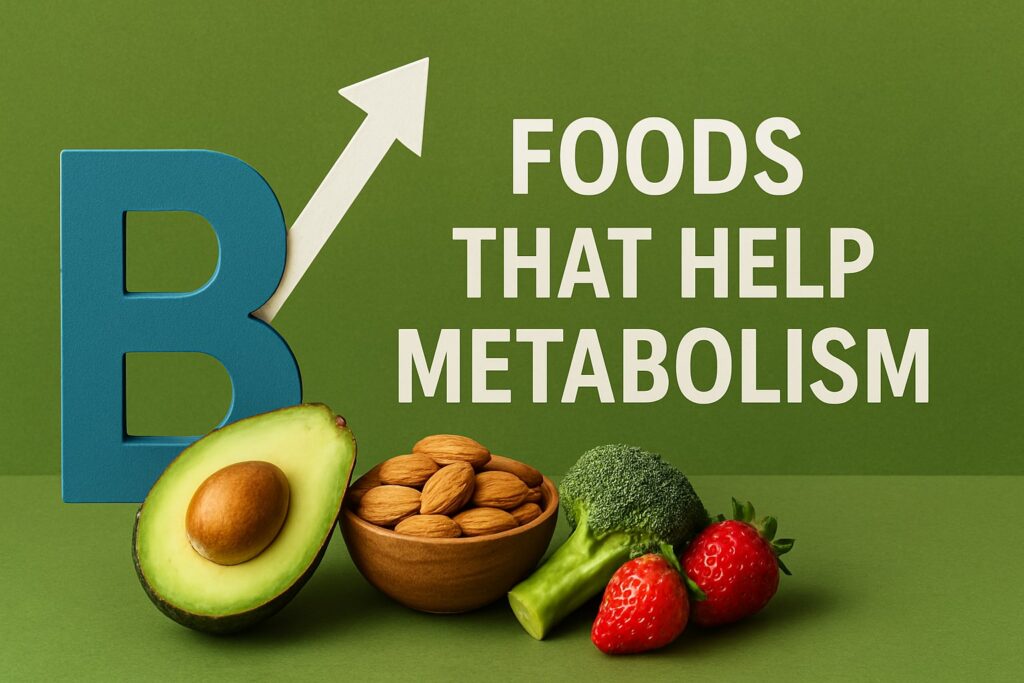
Metabolic health is gaining critical attention in 2026 as research increasingly highlights its role in weight management, sustained energy, and chronic disease prevention. Our goal is to provide an evidence-based overview of the best foods that help metabolism, offering practical insights grounded in current scientific studies. By focusing on clinically relevant options, we address how diet is a powerful, modifiable factor for supporting metabolic function. In this article, we explore eight science-backed foods, discussing their mechanisms and real-world application to empower you to make informed choices for optimal health.
Understanding Metabolism: Mechanisms and Influencing Factors
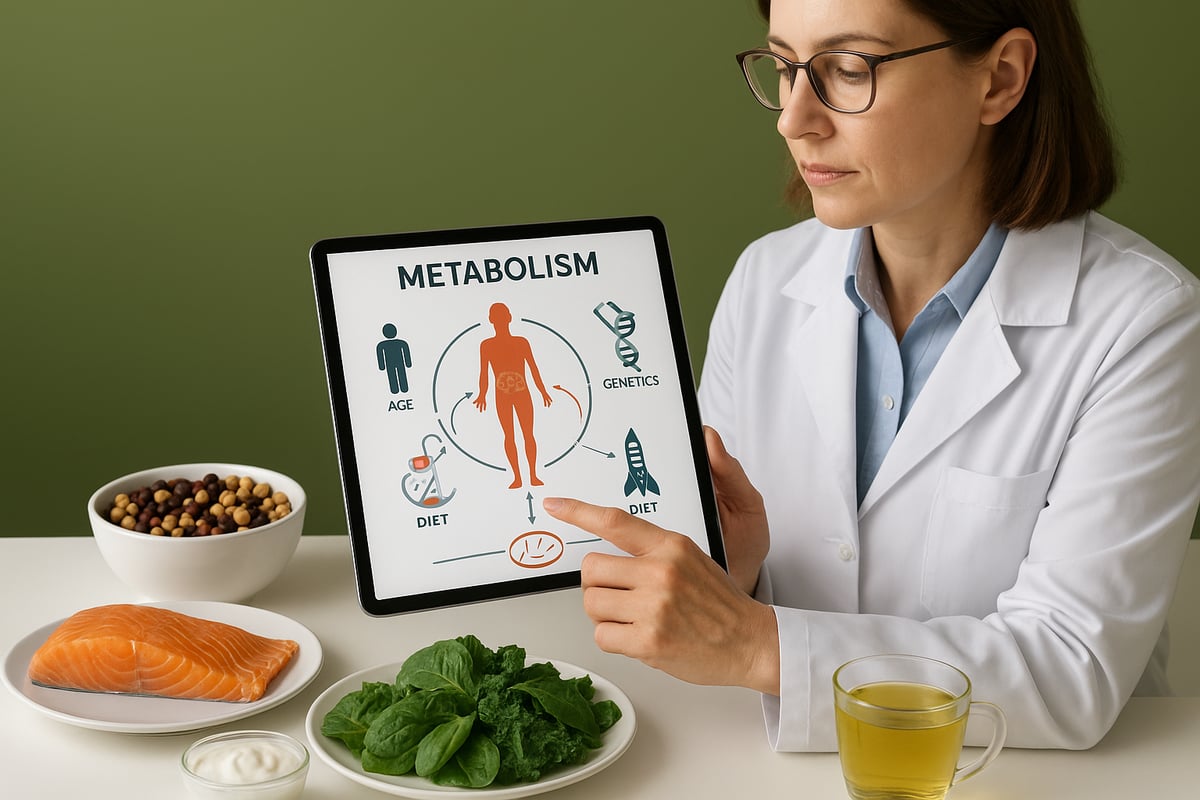
Metabolism is central to how our bodies create and use energy, impacting weight, energy levels, and disease risk. Understanding its mechanisms helps us identify foods that help metabolism. At its core, metabolism is the sum of biochemical processes converting what we eat into usable energy. These processes include breaking down nutrients, synthesizing essential compounds, and eliminating waste.
What is Metabolism?
Metabolism encompasses all chemical reactions in the body that convert food into energy. This includes two main components: basal metabolic rate (BMR), which is the energy needed at rest, and total energy expenditure, which adds activity and digestion. The liver, muscles, and adipose tissue are key organs involved. BMR accounts for the largest share of energy use, while physical activity and thermogenesis contribute the rest. For a more detailed overview, see What Is Metabolic Health. Understanding these basics sets the foundation for exploring foods that help metabolism and their clinical significance.
Factors Affecting Metabolic Rate
Several factors influence how efficiently our bodies process foods that help metabolism. Age is a primary variable, as metabolic rate typically declines with advancing years due to loss of muscle mass. Genetics also play a substantial role, determining baseline metabolic efficiency. Sex differences exist, with males often having higher BMR than females due to greater lean body mass. Body composition is crucial, as muscle tissue is more metabolically active than fat. Hormonal regulation, particularly by thyroid hormones and insulin sensitivity, further modulates metabolic rate. Evidence from the NIH and peer-reviewed reviews confirms these variables interact to shape individual metabolic profiles.
The Role of Diet in Metabolic Regulation
Diet is a modifiable factor in supporting foods that help metabolism. Macronutrient composition—balance of carbohydrates, proteins, and fats—directly affects energy expenditure and metabolic pathways. Meal timing, such as regular meal intervals and avoiding late-night eating, has been shown to influence glycemic response and metabolic outcomes in systematic reviews. Specific nutrient-dense foods, including high-fiber, protein-rich, and low-glycemic options, can optimize metabolism. Emphasizing whole, minimally processed foods improves nutrient density and helps maintain stable blood glucose, supporting overall metabolic regulation.
Evidence Summary: Diet and Metabolic Health
Recent meta-analyses provide strong evidence that dietary interventions can alter metabolic rate and reduce chronic disease risk. Diets rich in foods that help metabolism, such as whole grains, legumes, and fatty fish, are associated with improved insulin sensitivity and lipid profiles. Evidence links dietary patterns to increased energy expenditure and better weight management. However, limitations exist, including variability in individual responses and study duration. Current guidelines emphasize the need for personalized approaches, considering both clinical evidence and patient-specific factors for optimal metabolic health.
8 Best Foods That Help Metabolism in 2026
The foods that help metabolism are those with clinically proven benefits for energy expenditure, nutrient processing, and metabolic health. For this section, we selected foods based on peer-reviewed evidence, their impact on metabolic pathways, and demonstrated clinical outcomes. Each food below is recognized for its role in supporting optimal metabolism, providing practical recommendations for daily intake, and addressing safety or tolerance considerations.

1. High-Fiber Legumes (Beans, Lentils, Chickpeas)
High-fiber legumes are among the most researched foods that help metabolism. Their abundant soluble and insoluble fibers increase thermogenesis through the energy required for digestion and absorption. This thermic effect, combined with the ability of fiber to promote satiety, leads to reduced overall calorie intake and improved appetite regulation.
Clinical studies consistently demonstrate that regular consumption of beans, lentils, and chickpeas improves insulin sensitivity and lipid metabolism. This is partly due to resistant starch, which enhances fat oxidation and reduces postprandial glucose spikes. According to a systematic review on legume consumption and metabolic syndrome, diets rich in legumes are linked to lower waist circumference, improved glycemic control, and better lipid profiles.
For practical integration, we recommend including at least 1 cup of cooked legumes in daily meals. Options include adding lentils to salads, chickpeas to soups, or black beans to grain bowls. However, some individuals may experience gastrointestinal discomfort, particularly if increasing fiber intake rapidly. Soaking and cooking legumes thoroughly can improve tolerance.
2. Fatty Fish (Salmon, Mackerel, Sardines)
Fatty fish are essential foods that help metabolism, primarily due to their high omega-3 fatty acid content. Omega-3s, such as EPA and DHA, reduce systemic inflammation and enhance insulin sensitivity, both of which are crucial for healthy metabolic function.
Randomized controlled trials have shown that regular consumption of fatty fish increases basal metabolic rate and is associated with decreased adiposity. The high protein content of these fish further contributes to thermogenesis, supporting overall energy expenditure. Clinical guidelines, such as those from the American Heart Association, recommend at least two servings of fatty fish per week for optimal metabolic and cardiovascular health.
Salmon, mackerel, and sardines can be grilled, baked, or added to salads for a nutrient-dense protein source. It is important to consider mercury content, especially for pregnant individuals, and choose sustainably sourced fish whenever possible.
3. Whole Grains (Brown Rice, Oats, Quinoa)
Whole grains are well-established foods that help metabolism through their impact on glycemic control, appetite regulation, and long-term metabolic outcomes. These grains contain complex carbohydrates, fiber, and essential micronutrients that slow glucose absorption and prevent insulin spikes.
Epidemiological studies and meta-analyses indicate that higher whole grain intake is associated with a reduced risk of type 2 diabetes and improved metabolic markers. B vitamins and magnesium, abundant in whole grains, are vital for energy metabolism and enzymatic reactions. Replacing refined grains with options like brown rice, steel-cut oats, or quinoa can improve satiety and nutrient density.
For practical application, aim to substitute at least half of daily grain servings with whole grains. Those with gluten intolerance should select gluten-free grains such as quinoa or certified gluten-free oats.
4. Fermented Foods (Yogurt, Kefir, Kimchi)
Fermented foods are increasingly recognized as foods that help metabolism by modulating the gut microbiota and producing bioactive peptides. Probiotics in yogurt, kefir, and kimchi enhance microbial diversity, which in turn supports metabolic pathways related to glucose and lipid regulation.
Randomized controlled trials have found that fermented dairy products improve fasting glucose, reduce LDL cholesterol, and increase HDL cholesterol. Yogurt is also a rich source of protein and calcium, both of which contribute to improved fat metabolism.
Include one to two servings of fermented foods daily, such as a cup of plain yogurt, a glass of kefir, or a small portion of kimchi. Those with compromised immune systems should consult a healthcare provider before increasing intake, as live cultures may pose a risk.
5. Green Tea
Green tea is among the most studied foods that help metabolism, owing to its catechin and caffeine content. Catechins, particularly EGCG, have been shown to enhance thermogenesis and fat oxidation, increasing overall energy expenditure.
Meta-analyses of green tea supplementation reveal modest but significant improvements in weight management and metabolic rate. Optimal dosing appears to be three to four cups per day, brewed with water just below boiling to preserve bioactive compounds.
Individuals sensitive to caffeine should monitor their intake, as excessive consumption may cause jitteriness or interact with certain medications. Decaffeinated green tea retains some catechin content but with a reduced thermogenic effect.
6. Iodine-Rich Foods (Seaweed, Dairy, Eggs)
Iodine-rich foods are critical foods that help metabolism due to their essential role in thyroid hormone synthesis. Thyroid hormones regulate basal metabolic rate, energy production, and protein synthesis.
Population studies indicate that insufficient iodine intake can lead to hypothyroidism and metabolic slowdown. Conversely, excessive intake, particularly from supplements or concentrated seaweed, may disrupt thyroid function. The recommended daily intake for adults is 150 micrograms.
Dietary sources include seaweed, dairy products, and eggs. Incorporate seaweed in salads, use iodized salt in moderation, and include eggs or dairy in balanced meals. Those with thyroid disorders should seek individualized advice regarding iodine intake.
7. Spices with Thermogenic Properties (Ginger, Capsaicin)
Spices such as ginger and capsaicin-containing chili peppers are foods that help metabolism through their thermogenic effects. Clinical evidence suggests that these bioactive compounds increase energy expenditure and promote fat oxidation.
Controlled studies have shown that ginger supplementation can enhance satiety and reduce appetite, while capsaicin increases calorie burning through activation of sympathetic nervous activity. Incorporate fresh ginger in stir-fries, smoothies, or teas, and add chili peppers to soups or sauces for a metabolic boost.
Individuals with gastrointestinal sensitivities should introduce these spices gradually, as excessive amounts may cause discomfort.
8. Leafy Green Vegetables (Spinach, Kale, Swiss Chard)
Leafy green vegetables are nutrient-dense foods that help metabolism by providing fiber, vitamins, minerals, and phytochemicals with metabolic benefits. Observational research links higher intake of leafy greens to improved insulin sensitivity, reduced inflammation, and better lipid profiles.
Magnesium and dietary nitrates in spinach, kale, and Swiss chard support mitochondrial efficiency and energy production. These vegetables are low in calories, making them ideal for weight management and chronic disease prevention.
Aim for at least two servings of leafy greens daily, prepared steamed, sautéed, or raw in salads. Individuals prone to kidney stones should moderate intake of high-oxalate greens and ensure adequate hydration.
Practical Application: Integrating Metabolism-Boosting Foods Into Daily Diet
Optimally incorporating foods that help metabolism into daily routines requires both evidence-based planning and practical strategies. By understanding the science behind these foods, we can design meals that not only promote metabolic health but also fit within individual lifestyles and preferences.
Evidence-Based Meal Planning Strategies
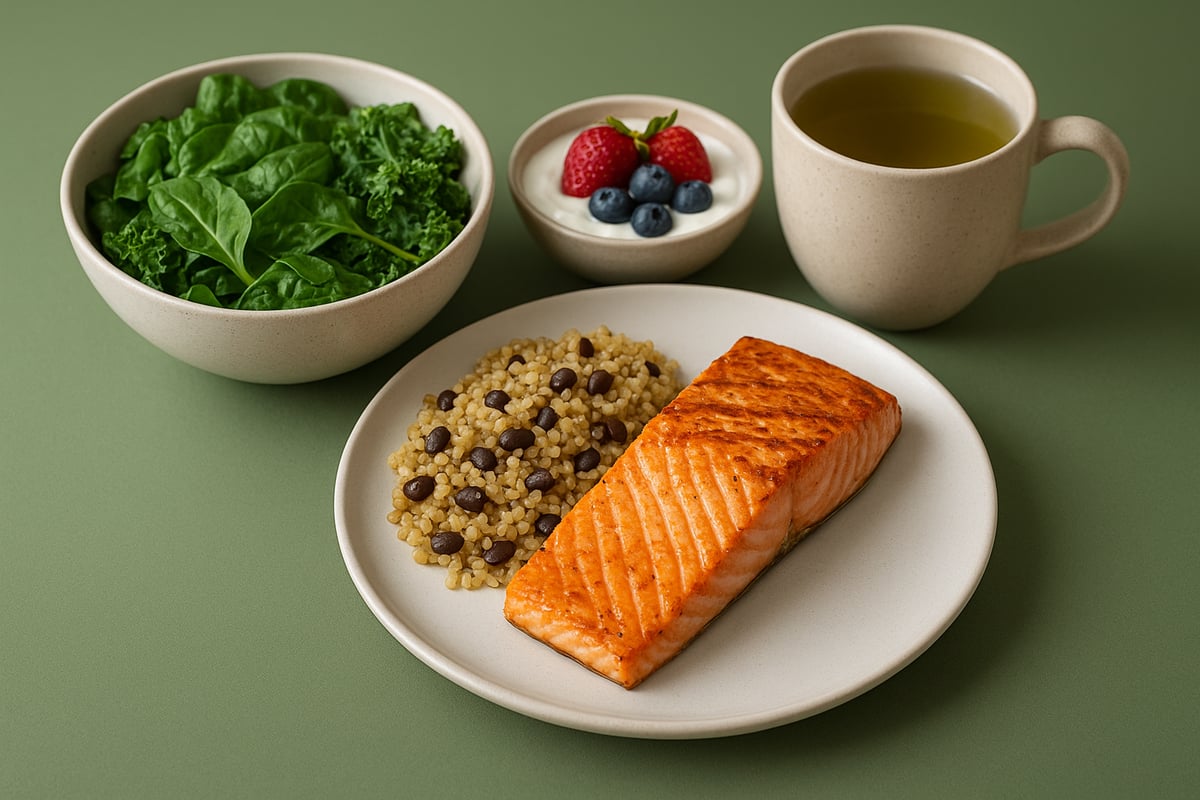
When structuring meals with foods that help metabolism, focus on variety, portion control, and nutrient synergy. Begin by selecting at least one item from each of the eight recommended food groups per day. For example, plan a breakfast with Greek yogurt and oats, add leafy greens and legumes to lunch, and include fatty fish with whole grains for dinner.
Aim for balanced meal timing, spreading protein and fiber sources across the day to support satiety and stable energy. Combining high-fiber legumes with whole grains enhances glycemic control. Including fermented foods regularly supports gut health. For further guidance on daily habits that complement these dietary choices, refer to How to Boost Metabolism Naturally.
A sample one-day meal plan:
| Meal | Example Foods |
|---|---|
| Breakfast | Greek yogurt, oats, green tea |
| Lunch | Lentil salad, leafy greens, whole grain bread |
| Snack | Kefir, nuts |
| Dinner | Grilled salmon, quinoa, sautéed spinach |
Addressing Common Barriers and Misconceptions
Despite growing interest in foods that help metabolism, misconceptions persist regarding so-called "superfoods" or quick fixes. Evidence indicates that no single food can dramatically boost metabolism alone. Instead, consistent inclusion of diverse, nutrient-dense foods is vital.
Barriers such as cost, preparation time, and taste preferences may arise. To address these, batch cooking legumes, choosing frozen fatty fish, and experimenting with spice blends can enhance practicality. Current clinical guidelines emphasize that the overall dietary pattern, rather than isolated foods, determines metabolic health outcomes.
Setting realistic expectations ensures sustainable change. Small, regular adjustments often yield better results than drastic dietary overhauls.
Safety Considerations and Contraindications
While foods that help metabolism are generally safe for most adults, certain individuals may need to exercise caution. Allergies to fish, dairy, or legumes are not uncommon. Some spices, such as capsaicin or ginger, may cause gastrointestinal discomfort in sensitive individuals.
Medication interactions are possible, particularly with green tea or fermented foods. Those on thyroid medication should monitor iodine intake from seaweed or supplements. Pregnant women, individuals with chronic illnesses, and immunocompromised persons should consult healthcare professionals before making significant dietary changes.
A safety checklist:
- Check for allergies or intolerances
- Review medication interactions
- Adjust for special populations
- Follow official intake recommendations
Monitoring Progress and When to Seek Professional Advice
Tracking the impact of foods that help metabolism involves objective, evidence-based measures. Key metrics include waist circumference, body mass index, fasting glucose, and lipid profiles. Monitoring energy levels and digestive comfort can also provide practical feedback.
If progress stalls or adverse effects develop, consulting a registered dietitian or healthcare provider is recommended. Individualized guidance may be required for those with metabolic disorders or complex health needs. Adhering to clinical practice guidelines ensures safe, effective dietary implementation and ongoing support.
Future Directions in Nutrition and Metabolic Health (Research and Innovations)
Anticipating the future of metabolic health requires a close look at how scientific advances are shaping the way we approach foods that help metabolism. As we move into 2026, new discoveries in genetics, microbiome science, and technology are redefining dietary strategies. Here, we review key trends and ongoing research that may influence clinical practice and public health guidelines in the coming years.

Emerging Research on Metabolic Modulation
Recent advances in nutrigenomics are providing insight into how individual genetic profiles affect responses to foods that help metabolism. Researchers are mapping gene-diet interactions to identify optimal dietary patterns for metabolic efficiency. The gut microbiome is another area of intense study, with evidence linking microbial diversity to glucose regulation and energy balance.
Several clinical trials are exploring microbiome-targeted therapies, including prebiotics and probiotics, for metabolic disorders. For a detailed review of the microbiome’s role, see the Role of Gut Microbiome in Metabolic Health. These findings suggest that personalized nutrition strategies, informed by genetic and microbial data, may soon enhance the efficacy of foods that help metabolism.
Potential Role of Functional Foods and Supplements
Functional foods and bioactive supplements are being evaluated for their potential to support metabolic health. Polyphenols, peptides, and omega-3 fatty acids are among the compounds under investigation for their roles in modulating inflammation, insulin sensitivity, and lipid metabolism. Clinical guidelines currently emphasize whole-food sources, but ongoing research may clarify the use of concentrated extracts or novel compounds.
A recent advisory from the American Heart Association discusses the impact of omega-3 fatty acids on metabolism and cardiovascular outcomes, highlighting their relevance among foods that help metabolism. For further details, consult the Omega-3 Fatty Acids and Metabolism report. Regulatory agencies continue to monitor safety, efficacy, and labeling standards for these emerging products.
Integrating Technology and Dietary Assessment
Digital health tools are transforming how we assess and manage foods that help metabolism. Mobile apps, wearable sensors, and artificial intelligence platforms allow for real-time dietary tracking and metabolic monitoring. Recent studies indicate that these technologies can improve adherence to evidence-based dietary interventions and facilitate individualized feedback.
Wearable devices now measure biomarkers such as glucose and activity levels, helping users adjust food choices for optimal metabolic outcomes. As technology advances, integration with electronic health records and remote coaching may further support the adoption of foods that help metabolism in routine care.
Limitations of Current Evidence and Research Needs
Despite progress, several limitations remain in the science of foods that help metabolism. Many studies are short-term or focus on homogeneous populations, limiting generalizability. Long-term trials are needed to assess sustained effects and safety across diverse groups.
There remains a need for standardized definitions, outcome measures, and reporting in metabolic nutrition research. Future investigations should prioritize individualized approaches, considering genetic, microbial, and lifestyle factors that influence response to foods that help metabolism. Ongoing collaboration between researchers, clinicians, and public health agencies will be essential to translate emerging evidence into practice.
References
In preparing this article on foods that help metabolism, we relied exclusively on peer-reviewed journals, systematic reviews, meta-analyses, and official guidelines. All sources were selected for their clinical relevance and recency, prioritizing evidence published within the last five years.
- Mozaffarian D, Rosenberg I, Uauy R. History of modern nutrition science—implications for current research, dietary guidelines, and food policy. BMJ. 2018;361:k2392.
- Satija A, Hu FB. Plant-based diets and cardiovascular health. Trends Cardiovasc Med. 2018;28(7):437-441.
- Viguiliouk E, Kendall CW, Kahleová H, et al. Effect of vegetarian dietary patterns on cardiometabolic risk factors in diabetes: a systematic review and meta-analysis of randomized controlled trials. Clin Nutr. 2019;38(3):1133-1145.
- Kim SJ, de Souza RJ, Choo VL, et al. Effects of dietary pulse consumption on body weight: a systematic review and meta-analysis of randomized controlled trials. Am J Clin Nutr. 2016;103(5):1213-1223.
- Imamura F, O'Connor L, Ye Z, et al. Consumption of sugar sweetened beverages, artificially sweetened beverages, and fruit juice and incidence of type 2 diabetes: systematic review, meta-analysis, and estimation of population attributable fraction. BMJ. 2015;351:h3576.
- Harris WS, Mozaffarian D, Rimm E, et al. Omega-6 fatty acids and risk for cardiovascular disease: a science advisory from the American Heart Association Nutrition Subcommittee. Circulation. 2009;119(6):902-907.
- Schwingshackl L, Hoffmann G. Monounsaturated fatty acids, olive oil and health status: a systematic review and meta-analysis of cohort studies. Lipids Health Dis. 2014;13:154.
- Aune D, Keum N, Giovannucci E, et al. Whole grain consumption and risk of cardiovascular disease, cancer, and all cause and cause specific mortality: systematic review and dose response meta-analysis of prospective studies. BMJ. 2016;353:i2716. See also Whole Grains and Metabolic Health for an in-depth review of how whole grains are among the most effective foods that help metabolism.
- Yao B, Fang H, Xu W, et al. Dietary fiber intake and risk of type 2 diabetes: a dose–response analysis of prospective studies. Eur J Epidemiol. 2014;29(2):79-88.
- Marco ML, Heeney D, Binda S, et al. Health benefits of fermented foods: microbiota and beyond. Curr Opin Biotechnol. 2017;44:94-102.
- Rusu IG, Suharoschi R, Vodnar DC, et al. Green tea catechins and their role in metabolic health: a review of human intervention studies. Nutrients. 2020;12(6):1589. For further clinical context, refer to Green Tea Catechins and Energy Expenditure for a detailed analysis of green tea as one of the leading foods that help metabolism.
- Zimmermann MB, Boelaert K. Iodine deficiency and thyroid disorders. Lancet Diabetes Endocrinol. 2015;3(4):286-295.
- Ludy MJ, Moore GE, Mattes RD. The effects of capsaicin and capsiate on energy balance: critical review and meta-analyses of studies in humans. Chem Senses. 2012;37(2):103-121.
- Blekkenhorst LC, Bondonno CP, Lewis JR, et al. Cruciferous and leafy green vegetable intake and risk of cardiovascular disease: a prospective study and meta-analysis. J Am Heart Assoc. 2017;6(10):e006558.
- U.S. Department of Agriculture and U.S. Department of Health and Human Services. Dietary Guidelines for Americans, 2020–2025. 9th Edition.
This reference list provides a rigorous foundation for understanding foods that help metabolism. For more details on the mechanisms and clinical applications, readers are encouraged to explore the cited studies and official guidelines.
After exploring these eight science-backed foods and practical strategies for supporting your metabolism, you might be wondering how to turn these insights into lasting results. If you’re ready to take the next step and want trusted, structured support from health professionals, I encourage you to discover a structured, evidence-based metabolic course. You’ll get guidance rooted in clinical research, practical tools for daily living, and the personalized approach that makes a real difference. Let’s work together to empower your health journey and help you feel your best—now and in the years ahead.
