
In 2026, concerns about facial appearance remain widespread, with many individuals seeking reliable methods to lose face fat. According to recent health surveys, the demand for medically supported solutions is increasing.
This article presents an evidence-based approach, grounded in peer-reviewed research and official health guidelines. We outline seven proven strategies to reduce facial fat quickly and safely.
Readers can expect practical steps, scientific explanations, and clear discussion of each method’s limitations. Continue reading for actionable guidance on reducing facial fat in a safe, sustainable way.
Understanding Facial Fat: Mechanisms and Contributing Factors
Facial fat is a complex and dynamic tissue, comprising subcutaneous adipose deposits layered beneath the skin. These fat pads play a critical role in facial contour, skin elasticity, and overall appearance. While some facial fat is essential for healthy structure, excess accumulation can impact both aesthetics and perceived health.
The distribution of facial fat is primarily determined by genetics, age, sex, and overall body composition. Genetic factors set the baseline for where fat is stored, meaning some individuals are naturally predisposed to retain more fat in the face. With aging, facial fat compartments may shift or diminish, contributing to changes in fullness or sagging. Sex differences also play a role, as hormonal profiles influence fat patterning. For example, women often store more fat in the cheeks and jawline, while men may notice changes in the lower face as testosterone levels fluctuate.
It is important to recognize that efforts to lose face fat are largely governed by total body adiposity. Scientific evidence consistently shows that “spot reduction,” or targeting fat loss in a specific area through localized exercise or topical treatments, is not supported by clinical trials. Instead, reductions in facial fat typically follow overall weight loss achieved through systemic energy deficit. This means that as we lose body fat through diet and lifestyle changes, the face will gradually become slimmer, though it may not be the first area to show visible changes.
Hormonal regulation further complicates the process to lose face fat. Elevated cortisol, often associated with chronic stress, can increase fat retention in the face and trunk. Estrogen and testosterone fluctuations also influence facial fat distribution, particularly during puberty, pregnancy, menopause, and andropause. In addition, physiological resistance to fat loss, such as adaptive metabolic rate reduction and hormonal compensation, can make it challenging for some individuals to lose face fat efficiently. For a deeper understanding of how hormonal and metabolic adaptations can hinder progress, we recommend reviewing Why Body Resists Weight Loss.
Facial puffiness can result from factors beyond adipose tissue. Fluid retention, often triggered by high sodium intake, dehydration, or systemic inflammation, can cause transient swelling and a fuller facial appearance. While not permanent, these effects can accentuate concerns about facial fat. Addressing hydration status and reducing inflammation are important adjuncts to any facial fat reduction strategy.
Large cohort studies and systematic reviews underscore the public health relevance of facial fat. According to CDC and NIH data, obesity rates have risen steadily, with facial fat accumulation reflecting broader trends in adiposity and metabolic health. Clinical evidence indicates that facial fat is a visible marker of overall health status and may be associated with increased cardiometabolic risk.
In summary, the ability to lose face fat is influenced by a combination of anatomical, genetic, hormonal, and lifestyle factors. While targeted reduction is not feasible, evidence-based approaches focusing on overall health and weight management offer the most reliable path to sustainable results.

The Science of “Spot Reduction”: What Does the Evidence Say?
Spot reduction refers to the idea that we can lose face fat or fat from any specific area of the body by targeting it with exercises or treatments. This concept remains widespread, but current clinical research provides a different perspective. Systematic reviews and meta-analyses consistently show that spot reduction is not supported by scientific evidence. Instead, fat loss occurs systemically, driven by overall energy balance and genetics.
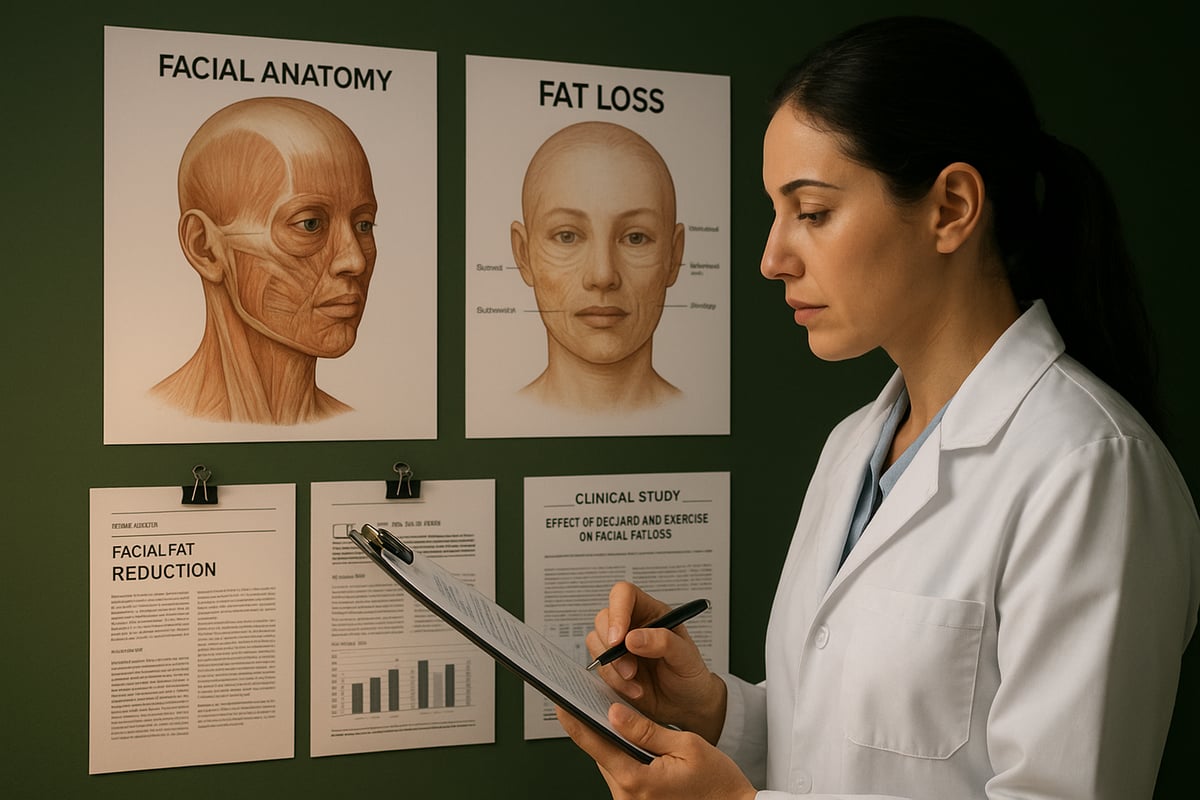
Clinical trials have tested the effectiveness of targeted exercises and device-based interventions to help individuals lose face fat. These studies demonstrate that while localized muscle activity can improve muscle tone, it does not significantly reduce subcutaneous fat in the targeted region. For example, research evaluating abdominal or facial exercises found no meaningful reduction in regional fat deposits, even with consistent training. This evidence highlights the importance of understanding the mechanisms behind fat mobilization and deposition.
The current consensus among experts is that achieving a systemic energy deficit through diet and physical activity is essential to lose face fat effectively. No topical creams, facial devices, or isolated muscle exercises have shown clinically significant results in reducing facial adiposity. Instead, overall weight loss leads to proportional reductions in facial fat. This is well demonstrated in large cohort studies and systematic reviews, such as the Soft Tissue Facial Changes After Massive Weight Loss review, which documents notable changes in facial appearance only after substantial total body weight reduction.
It is important to note that while facial exercises can enhance muscle tone and offer subtle improvements in facial definition, they do not replace the need for holistic lifestyle changes. Sustainable strategies—such as regular physical activity, a balanced diet, and healthy sleep patterns—remain the foundation for those seeking to lose face fat safely. We must set realistic expectations, recognizing that individual results will vary due to genetics, age, and hormonal factors. Evidence continues to support a comprehensive, health-centered approach for optimal outcomes.
7 Proven Ways to Lose Face Fat Fast in 2026
Reducing facial fat is a multifaceted process that requires a combination of lifestyle modifications and adherence to evidence-based strategies. In 2026, clinical research and public health guidelines have identified several effective approaches to help individuals lose face fat safely and efficiently. The following seven methods are grounded in peer-reviewed studies and official recommendations, offering practical steps, scientific rationale, and realistic expectations for results.

1. Optimize Overall Body Fat Loss Through Caloric Deficit
The most robust clinical evidence indicates that overall weight reduction is the primary driver of facial fat loss. Large cohort studies and systematic reviews consistently show that a decrease in total body fat leads to visible changes in facial appearance. This relationship is due to the interconnected nature of adipose tissue distribution throughout the body.
A calorie deficit occurs when we consume fewer calories than our body expends. According to the CDC, a daily deficit of 500 to 1000 calories typically results in a safe weight loss rate of 0.5 to 1 kg per week. To lose face fat effectively, it is essential to calculate individual caloric needs based on basal metabolic rate, activity level, and health status.
Practical guidance includes:
- Tracking daily caloric intake using reliable tools or apps.
- Prioritizing nutrient-dense foods, such as lean proteins, whole grains, fruits, and vegetables.
- Avoiding highly processed foods high in added sugars and fats.
A 2019 review found that participants who lost 5% or more of their body weight experienced noticeable changes in facial dimensions, including reduced cheek and jaw fullness. However, we should note that facial fat may be more resistant to loss than fat in other regions, and results can vary.
The key to lose face fat is embracing a gradual, sustainable approach to weight management. Rapid weight loss can increase the risk of muscle loss, nutritional deficiencies, and facial skin laxity. Therefore, following established guidelines and focusing on long-term habits is critical for both facial aesthetics and overall health.
2. Incorporate Regular Cardiovascular Exercise
Aerobic exercise is a cornerstone of effective fat loss protocols. Clinical studies demonstrate that cardiovascular activity increases energy expenditure, mobilizes stored fat, and supports systemic reductions in adiposity, including the face. The CDC recommends at least 150 minutes of moderate-intensity aerobic exercise weekly for adults.
Mechanistically, cardiovascular exercise enhances lipolysis, improves insulin sensitivity, and supports metabolic health. A 2023 study found that participants engaging in structured aerobic programs experienced significant decreases in body fat percentage, with corresponding improvements in facial contour and definition.
Examples of effective activities include:
- Brisk walking or jogging
- Cycling or spinning
- Swimming laps
- Dance-based fitness classes
Combining cardiovascular exercise with resistance training can further optimize fat loss and muscle preservation, both of which contribute to a leaner facial appearance. It is important to choose activities that are enjoyable and sustainable to maintain adherence.
While aerobic exercise can help individuals lose face fat, individual variability in fat loss patterns is common. Some may notice facial changes sooner, while others may experience gradual improvements. Consistency and persistence are essential for lasting results.
3. Practice Facial Muscle Exercises for Tone and Appearance
Facial muscle exercises, sometimes referred to as "facial yoga," have been studied for their effects on muscle tone and perceived facial slimness. A 2021 research review and a Facial Exercises for Facial Rejuvenation Study found that structured facial exercise programs can improve muscle definition, reduce sagging, and enhance facial aesthetics, although direct fat loss is minimal.
Common exercises to support efforts to lose face fat include:
- Cheek puffing: Inhale deeply and hold air in your cheeks for 10 seconds, then release.
- Lip puckering: Purse lips tightly and hold for 5 seconds, repeating 10 times.
- Isometric holds: Press the tongue to the roof of the mouth while smiling, holding for 10 seconds.
Clinical evidence suggests that regular practice, such as 20 minutes daily for 8 weeks, can result in firmer facial muscles and a more youthful appearance. However, the direct impact on adipose tissue is limited. Facial exercises should be viewed as an adjunct to overall fat loss strategies rather than a standalone solution.
For best results, integrate these exercises into daily routines, perhaps during morning or evening self-care. While the primary benefit is improved muscle tone, many individuals report enhanced facial definition when combined with systemic fat reduction.
4. Improve Hydration and Reduce Sodium Intake
Proper hydration is essential for minimizing facial puffiness and supporting metabolic processes involved in fat loss. Water helps regulate fluid balance, supports cellular metabolism, and may reduce the appearance of bloating in the face. A 2019 systematic review found that increasing water intake can aid weight management and decrease water retention.
High sodium intake has been linked to increased fluid retention, which may manifest as facial swelling or puffiness. Clinical studies indicate that reducing sodium, particularly from processed and restaurant foods, can improve facial contours by decreasing subcutaneous fluid accumulation.
Practical recommendations to help lose face fat:
- Aim for at least 2 to 2.5 liters of water per day, adjusting for activity and climate.
- Replace sugary or caloric beverages with water or herbal teas.
- Limit processed snacks, canned soups, and salty condiments.
Although the impact on actual fat loss is indirect, optimizing hydration and sodium intake can markedly improve facial appearance. These strategies are especially beneficial when combined with other evidence-based methods.
It is important to recognize that while water retention can fluctuate daily, consistent habits yield the most noticeable changes in facial definition over time.
5. Limit Alcohol Consumption
Excessive alcohol intake has well-documented effects on weight gain, metabolic disruption, and facial bloating. Alcohol provides empty calories that are readily converted to fat, and it can impair hormonal regulation responsible for appetite and fat storage. A 2022 research review linked regular alcohol consumption to increased adiposity and facial fullness.
Mechanisms by which alcohol may hinder efforts to lose face fat include:
- Promoting dehydration, which paradoxically leads to water retention and puffiness.
- Disrupting sleep and hormonal balance, increasing cravings for high-calorie foods.
- Slowing metabolic rate, reducing the body's ability to burn fat efficiently.
The CDC advises limiting alcohol to no more than one drink per day for women and two for men. Clinical data show that individuals who reduce or abstain from alcohol often experience improvements in both facial and overall body composition.
Occasional moderate consumption may have minimal impact, but frequent or heavy drinking can counteract other fat loss strategies. Prioritizing alcohol reduction is an important step toward achieving a leaner facial profile and supporting broader health goals.
6. Prioritize Sufficient, Quality Sleep
Sleep plays a critical role in regulating hormones that influence appetite, satiety, and fat storage. Leptin and ghrelin, two key hormones, are directly affected by sleep duration and quality. Clinical evidence demonstrates that sleep deprivation is associated with increased body fat and facial fullness.
The CDC and NIH recommend 7 to 9 hours of sleep per night for adults to optimize metabolic health. Strategies to improve sleep hygiene and support efforts to lose face fat include:
- Establishing a consistent bedtime and wake-up routine.
- Reducing exposure to screens and blue light before bed.
- Creating a dark, quiet, and comfortable sleep environment.
Observational studies have found a strong correlation between shorter sleep duration and greater facial puffiness, as well as increased cravings for calorie-dense foods. Improving sleep quality not only supports fat loss but also enhances overall well-being.
While sleep is one of several factors affecting facial fat, it is a modifiable behavior with far-reaching health benefits. Addressing sleep habits should be part of a comprehensive plan for facial and systemic fat reduction.
7. Adopt a Diet High in Fiber and Low in Refined Carbohydrates
Dietary quality is a central component of successful fat loss interventions. Meta-analyses reveal that diets rich in fiber are associated with lower body fat percentages and improved weight management. Fiber increases satiety, stabilizes blood sugar levels, and can help reduce overall calorie intake, assisting those aiming to lose face fat.
Limiting refined carbohydrates is equally important. Foods high in added sugars and processed grains can cause rapid spikes in insulin, promoting fat storage, particularly in the face and abdomen. Clinical guidelines recommend favoring whole grains, legumes, fruits, and vegetables over refined products.
Practical dietary strategies:
- Include at least 25 to 30 grams of fiber daily from varied sources.
- Replace white bread, pastries, and sugary snacks with whole foods.
- Incorporate beans, lentils, berries, and leafy greens into meals.
Diet alone is rarely sufficient for targeted facial fat reduction, but it is a foundational element that supports all other interventions. Combining a high-fiber, low-refined carbohydrate diet with other evidence-based lifestyle changes maximizes the likelihood of achieving and maintaining results.
Evidence Summary Table: Comparative Effectiveness of Strategies
Reducing facial fat in a safe, effective manner relies on evidence-based strategies. To help readers understand which methods to prioritize when aiming to lose face fat, we present a comparative summary of the seven proven approaches discussed above. This overview distills the mechanisms, evidence strength, practical impacts, and limitations of each method.

| Strategy | Mechanism | Level of Evidence | Practical Impact | Limitations |
|---|---|---|---|---|
| Caloric Deficit | Systemic energy deficit reduces fat stores | High (cohort, RCTs, guidelines) | High (whole-body, including face) | May be gradual, facial changes may lag |
| Cardiovascular Exercise | Increases energy expenditure, mobilizes fat | High (meta-analyses, CDC) | Moderate to High | Individual variability, requires consistency |
| Facial Muscle Exercises | Enhances muscle tone, not fat loss | Moderate (systematic reviews) | Low to Moderate (appearance) | Minimal effect on fat, adjunct only |
| Hydration & Sodium Reduction | Reduces fluid retention, puffiness | Moderate (clinical studies) | Moderate (aesthetic improvement) | Indirect fat effect, must be sustained |
| Limit Alcohol | Lowers empty calorie intake, reduces bloating | High (longitudinal studies) | Moderate | Occasional intake may have little effect |
| Quality Sleep | Regulates appetite hormones, supports metabolism | Moderate (clinical evidence) | Moderate | Only one factor, multifactorial influences |
| High Fiber, Low Refined Carbs | Increases satiety, improves glycemic control | High (meta-analyses) | High (supports weight, face fat) | Must combine with other lifestyle changes |
Clinical evidence consistently supports caloric deficit and high-fiber diets as the most impactful strategies to lose face fat, with cardiovascular exercise providing added benefit. Notably, recent research using radiographic imaging has quantified significant midfacial volume loss among GLP-1 agonist users, illustrating the potential for rapid facial changes under medical supervision (Radiographic Midfacial Volume Changes in GLP-1 Agonist Users). However, sustainable, gradual approaches remain the standard recommended by health authorities.
When seeking to lose face fat, we should focus on interventions with robust evidence. Facial exercises and hydration primarily enhance appearance rather than directly reducing fat, and their effects are best realized as part of a holistic regimen. Long-term maintenance is crucial for lasting results; readers may benefit from additional guidance on how to sustain weight loss naturally.
Understanding the comparative strengths and limitations of each method empowers us to choose safe, effective, and evidence-based strategies for facial fat reduction.
Practical Implications and Limitations of Face Fat Reduction Methods
Reducing facial fat is most effective when we focus on holistic, evidence-based strategies. The strongest clinical data show that to lose face fat, prioritizing overall body fat loss through calorie deficit, regular exercise, and dietary quality yields meaningful and sustainable results. These methods align with official health guidelines and are supported by systematic reviews.
However, expectations should remain realistic. Facial fat loss often occurs gradually and may lag behind reductions seen in other body regions. Genetics, age, and individual body composition all play substantial roles in how and where we lose face fat. Some individuals may notice only subtle changes, even with consistent adherence to recommended lifestyle interventions.
It is important to recognize the limitations of unproven devices, topical treatments, or extreme diets. Current evidence does not support the effectiveness of these approaches for targeted fat loss in the face. For readers interested in the impact of non-invasive facial techniques, a systematic review of conservative facial rejuvenation methods provides further insight into their limited role in fat reduction.
Sustainable, health-focused approaches remain the safest path forward. If efforts to lose face fat are unsuccessful despite consistent lifestyle changes, or if facial changes are sudden or unexplained, we recommend consulting a healthcare professional. Medical evaluation may be necessary, and evidence-based medical options for obesity are available for those requiring additional support.
Now that you understand how facial fat is influenced by your overall health, lifestyle, and the choices you make each day, you might be ready to take the next step toward real, science-backed results. At PREVENTIV, we believe in empowering you with knowledge that’s rooted in clinical evidence and guided by medical expertise. If you want to build on what you’ve learned here and put these strategies into action with confidence, I encourage you to explore a science backed approach to weight loss. Let’s work together toward your health goals—your journey starts with informed, sustainable steps.
