
Struggling to lose thigh fat is a persistent concern for many, often leading to frustration when standard approaches fail. This challenge is widespread, affecting individuals across ages and backgrounds, with both health and aesthetic implications.
This comprehensive guide is designed to help you lose thigh fat effectively in 2026 using strategies grounded in the latest clinical research and official health guidelines. We focus on what is supported by evidence, not myths or quick fixes.
We will examine the mechanisms behind thigh fat accumulation, the roles of genetics and hormones, proven lifestyle and dietary interventions, recommended exercise protocols, available medical options, and answers to common questions. Our goal is to empower you with practical, stepwise recommendations for sustainable results.
Understanding Thigh Fat: Anatomy, Physiology, and Health Implications
Thigh fat is a common concern for adults of all ages, affecting both health and aesthetics. To effectively lose thigh fat, it is vital to understand how and why fat accumulates in this region. Thigh fat exists primarily as subcutaneous fat beneath the skin, but can also include smaller amounts of visceral fat. The distribution of thigh fat varies by sex, age, and genetic factors.
Definition and Distribution of Thigh Fat
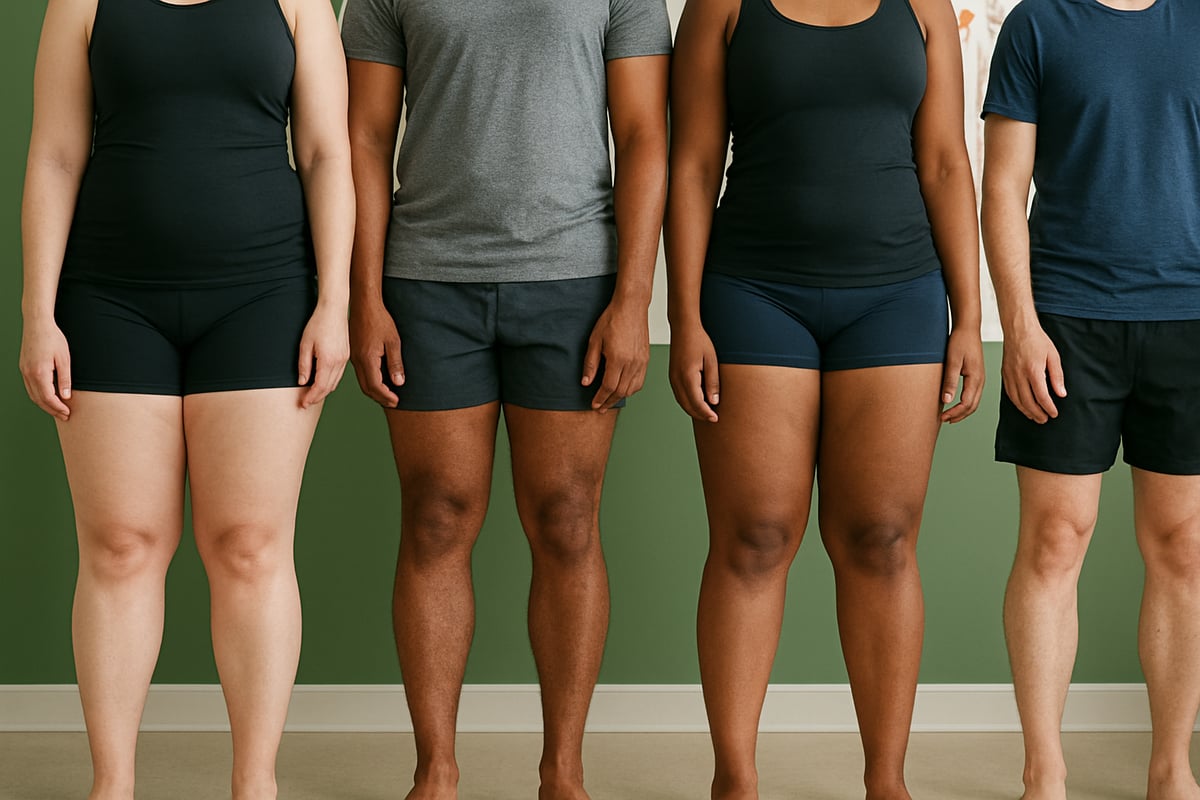
Thigh fat is predominantly subcutaneous, located just under the skin, while visceral fat is found deeper around internal organs. Women tend to store more subcutaneous fat in the thighs and hips, while men have a greater tendency for central, abdominal fat. Age also influences fat distribution, with increases in thigh fat often observed after menopause.
Recent MRI-based analysis of thigh intramuscular fat demonstrates that both age and body mass index significantly affect thigh fat content. Understanding these patterns is essential for anyone aiming to lose thigh fat in a targeted, evidence-based way.
Thigh Muscles and Fat Metabolism
The major muscles of the thigh—quadriceps, hamstrings, and adductors—play a central role in regional metabolism and fat storage. These muscles influence basal metabolic rate and contribute to overall energy expenditure. Increased muscle mass in the thighs is associated with improved glucose utilization and may help reduce regional fat over time.
To lose thigh fat, strategies that build and activate these muscle groups are supported by clinical studies. Strong thigh muscles also support joint health and functional mobility, which are critical for long-term health.
Health Implications of Thigh Fat
Excessive thigh fat, particularly when associated with overall obesity, is linked to increased risk of metabolic syndrome, type 2 diabetes, and cardiovascular disease. Peer-reviewed studies and NIH data show that higher thigh circumference, when due to muscle, may be protective, but elevated thigh fat itself is a risk marker for insulin resistance.
Distinguishing between normal fat distribution and pathological accumulation is important. While some thigh fat is physiologically necessary for energy storage and hormone production, excessive fat can negatively impact metabolic health. Individuals seeking to lose thigh fat should consider both cosmetic and health-related motivations.
Cellulite: Pathophysiology and Prevalence
Cellulite is a common skin condition affecting up to 90 percent of adult women and around 10 percent of men. It results from structural changes in subcutaneous fat and connective tissue, leading to a dimpled skin appearance. Systematic reviews indicate that cellulite is more prevalent in the thighs and buttocks due to hormonal and anatomical factors.
Although cellulite is not a direct health risk, it is frequently cited as a reason individuals want to lose thigh fat. Evidence suggests that while lifestyle interventions can modestly improve cellulite, genetic predisposition and hormonal status play larger roles in its severity.
Gender, Hormones, and Thigh Fat
Estrogen profoundly influences where fat is stored in the body. During puberty, women experience increased fat deposition in the thighs and hips. This pattern can shift after menopause, with fat redistributing toward the abdomen. Pregnancy and hormonal fluctuations further affect thigh fat accumulation.
Men typically store less fat in the thighs due to lower estrogen levels. These biological differences underscore why efforts to lose thigh fat may require tailored approaches based on sex and life stage.
Prevalence and Clinical Considerations
Epidemiological studies estimate that over 50 percent of adult women and 25 percent of men have significant thigh adiposity. For most, thigh fat is a cosmetic concern. However, when accompanied by metabolic dysfunction or rapid changes in fat distribution, medical evaluation is warranted. Understanding when to address thigh fat for health versus appearance helps guide proper intervention.
Mechanisms and Causes of Thigh Fat Accumulation
Accumulation of fat in the thighs is influenced by a complex interplay of genetic, hormonal, metabolic, and lifestyle factors. Understanding these mechanisms is crucial for anyone seeking to lose thigh fat. Evidence from clinical and epidemiological studies reveals that both biological and behavioral determinants shape regional fat distribution, including the thighs.
Genetic and Hormonal Mechanisms
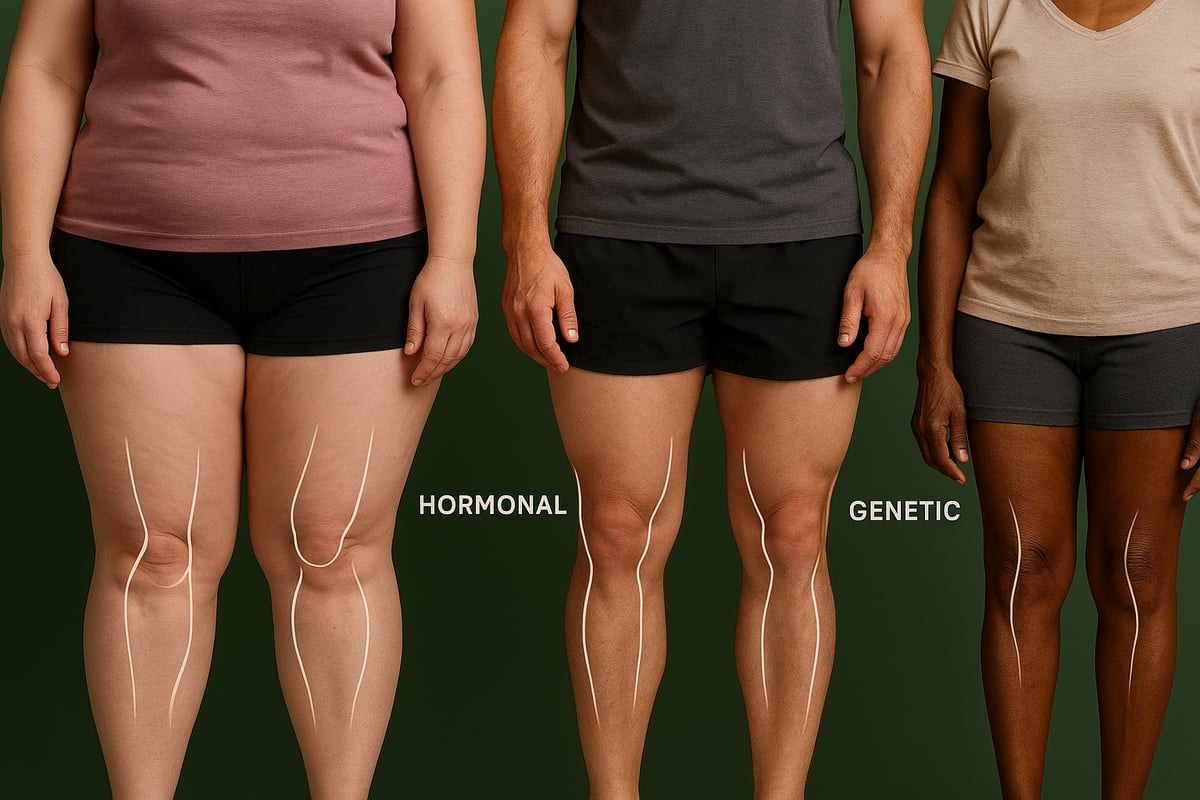
Genetic predisposition is a primary factor in determining where fat is stored in the body, including the thighs. Twin and genome-wide association studies indicate that up to 50 percent of variation in fat distribution may be inherited. Specific gene variants influence whether individuals tend to accumulate more fat in the lower body.
Hormonal regulation is equally significant. Estrogen promotes the storage of fat in the thigh and hip regions, especially in premenopausal women. Insulin, cortisol, and leptin also play critical roles. Elevated insulin levels favor fat storage, while chronic cortisol elevation, often linked to stress, can increase fat accumulation in the lower body. Leptin resistance, seen in obesity, disrupts normal fat metabolism, making it more challenging to lose thigh fat.
Age, Lifestyle, and Stress Factors
As we age, physiological changes such as reduced muscle mass (sarcopenia) and declining metabolic rate contribute to increased fat storage in the thighs. After age 30, the body’s ability to burn fat diminishes, and fat redistribution often occurs, especially in women post-menopause.
Lifestyle factors are equally important. Physical inactivity and sedentary behavior are associated with greater thigh fat deposition. Diets high in processed foods and sugars further exacerbate fat accumulation. Chronic stress and inadequate sleep have been shown in systematic reviews to disrupt hormonal balance, increasing the likelihood of fat storage in the thighs. Prioritizing regular exercise and healthy sleep patterns is therefore essential for those aiming to lose thigh fat.
Spot Reduction Myths and Individual Variation
Scientific evidence consistently refutes the notion of spot reduction, the idea that exercising a specific body part will selectively reduce fat from that region. Fat loss occurs systemically, not locally. For a detailed discussion, refer to Weight loss myths explained.
There is significant ethnic and individual variability in fat storage patterns, influenced by genetics, hormones, and environmental factors. For example, studies comparing premenopausal and postmenopausal women show that menopause is associated with a shift from lower-body (thigh) to abdominal fat accumulation, highlighting the role of hormonal changes.
| Comparison | Premenopausal Women | Postmenopausal Women |
|---|---|---|
| Main Fat Storage | Thighs, hips | Abdomen, trunk |
| Dominant Hormone | Estrogen | Decreased estrogen |
| Fat Loss Challenge | Lose thigh fat | Lose abdominal fat |
Understanding these mechanisms allows us to address both the biological and lifestyle aspects needed to lose thigh fat effectively.
Evidence-Based Lifestyle Interventions for Thigh Fat Reduction
Reducing thigh fat effectively requires a multi-faceted approach grounded in clinical evidence. The most reliable strategies to lose thigh fat integrate both physical activity and dietary modifications, as supported by systematic reviews and official health guidelines. Below, we examine the key lifestyle interventions with the strongest scientific backing.

Physical Activity and Exercise Modalities
Regular exercise is fundamental to any program designed to lose thigh fat. Systematic reviews indicate that both aerobic and resistance training play significant roles in reducing overall and regional body fat, although fat loss is generally systemic rather than localized.
Aerobic activities such as brisk walking, running, cycling, and swimming are effective for increasing energy expenditure and promoting fat loss. According to WHO and CDC guidelines, adults should aim for at least 150–300 minutes of moderate-intensity aerobic exercise weekly. Clinical studies consistently report reductions in thigh circumference and subcutaneous fat following structured aerobic programs.
Resistance training is equally important. Exercises targeting the quadriceps, hamstrings, and adductors—such as squats, lunges, and leg presses—help preserve and build lean muscle, which supports metabolic rate during efforts to lose thigh fat. Combining resistance training with aerobic activity has been shown to enhance total fat loss while minimizing muscle loss.
High-Intensity Interval Training (HIIT) is another evidence-based modality. Meta-analyses suggest that HIIT may accelerate reductions in body fat, including thigh fat, by alternating short bursts of intense activity with periods of recovery. For example, a 12-week trial combining aerobic and resistance training resulted in significant decreases in thigh circumference compared to control groups.
Key considerations for exercise protocols include:
- Progressive overload: Gradually increasing intensity or volume to sustain adaptation.
- Recovery: Allowing adequate rest to prevent injury and optimize results.
- Variety: Incorporating different exercise types to target multiple muscle groups.
It is important to note that no scientific evidence supports the concept of spot reduction. Fat loss occurs throughout the body, and regional changes reflect overall progress.
For additional guidance on effective exercises and strategies to lose thigh fat, see this Exercises and methods to lose leg fat resource, which provides detailed, evidence-based recommendations.
Dietary Strategies and Nutritional Approaches
Nutritional interventions are essential when aiming to lose thigh fat. Clinical evidence consistently demonstrates that creating a sustained caloric deficit is the primary driver of fat reduction. This involves consuming fewer calories than expended, as validated by multiple meta-analyses.
Macronutrient composition warrants careful attention. Higher protein intake (1.2–1.6 g/kg body weight per day) is recommended to preserve lean muscle mass during fat loss. Low glycemic index carbohydrates and healthy fats—such as those from nuts, seeds, and olive oil—promote satiety and stable energy levels. Emphasizing whole foods over processed options supports better appetite control and metabolic health.
Hydration also influences the appearance of thigh fat. Maintaining adequate fluid intake and moderating sodium consumption help minimize water retention, which can affect thigh circumference.
Evidence from randomized controlled trials suggests that dietary patterns like the Mediterranean diet, rich in fruits, vegetables, whole grains, and lean proteins, are associated with reductions in total and regional fat stores, including the thighs. Individualized nutrition plans, tailored to personal and cultural preferences, enhance adherence and long-term success.
A sample meal plan for thigh fat reduction might include:
- Breakfast: Greek yogurt with berries and oats
- Lunch: Grilled chicken salad with mixed vegetables and olive oil
- Dinner: Baked salmon, quinoa, and steamed broccoli
- Snacks: Fresh fruit, nuts, or cottage cheese
Limitations must be acknowledged. No single food or nutrient leads directly to thigh fat loss, and claims of “thigh fat burning” foods are not supported by clinical research. Sustainable results require consistent adherence to overall healthy eating patterns in conjunction with an active lifestyle.
Step-by-Step Guide: How to Lose Thigh Fat Effectively in 2026
Reducing thigh fat requires a systematic, evidence-based approach that integrates goal setting, exercise, nutrition, lifestyle modification, and ongoing evaluation. We will outline practical steps, supported by clinical research, to help you lose thigh fat in a sustainable and healthy manner.

Step 1: Set Realistic Goals and Assess Baseline
Setting clear, attainable goals is essential when aiming to lose thigh fat. We recommend following the SMART framework: Specific, Measurable, Achievable, Relevant, and Time-bound. Begin by measuring your thigh circumference with a flexible tape measure at the midpoint between the hip and knee. Record your baseline body composition using validated tools such as DEXA scans or bioelectrical impedance.
Regular health screening is advised to identify potential medical conditions that may affect your progress. Tracking progress every two to four weeks provides objective data and helps maintain motivation. Clinical evidence suggests that visible reductions in thigh fat typically occur after 8 to 12 weeks of consistent effort. For a detailed overview of the scientific principles behind effective fat loss, refer to Evidence-based weight loss science.
Step 2: Implement Structured Exercise Program
Physical activity is a cornerstone intervention to lose thigh fat. A weekly plan should combine aerobic, resistance, and flexibility training to maximize results.
Aerobic exercises such as brisk walking, cycling, swimming, or running, performed at moderate intensity for at least 150 minutes per week, are recommended by the World Health Organization. These activities increase total energy expenditure and contribute to systemic fat reduction.
Resistance training is crucial for preserving lean muscle mass and enhancing metabolic rate. Focus on lower body exercises, including:
- Sumo squats
- Lateral lunges
- Inner thigh lifts
- Curtsy lunges
- Glider side lunges
- Resistance band adduction
- Wall sits with ball squeeze
- Frog jumps
- Pilates leg circles
- Skater hops
Clinical studies show that combining aerobic and resistance training leads to greater decreases in thigh circumference compared to either modality alone. For optimal progression, start with 2 to 3 sets of 10 to 15 repetitions per exercise, increasing load or intensity every 2 weeks.
Sample 4-Week Exercise Schedule
| Week | Aerobic (min) | Resistance (sessions) | Flexibility (sessions) |
|---|---|---|---|
| 1-2 | 150 | 2 | 2 |
| 3-4 | 180 | 3 | 3 |
Remember, to lose thigh fat, consistency and gradual progression are key. There is no scientific support for spot reduction, so focus on overall fat loss with targeted muscle strengthening.
Step 3: Optimize Nutrition for Fat Loss
A sustainable calorie deficit is the foundation to lose thigh fat. Calculate your daily caloric needs using validated formulas such as the Mifflin-St. Jeor equation, and aim for a 500- to 750-calorie daily deficit for gradual fat loss.
Protein intake should be prioritized (1.2–1.6 g/kg/day) to preserve lean muscle mass. Incorporate a variety of fruits, vegetables, whole grains, and lean proteins. Limit processed foods, added sugars, and high sodium intake to minimize water retention and promote metabolic health.
Meal timing and frequency may be individualized, as evidence suggests total daily intake is more important than meal frequency for fat loss. Clinical trials indicate that high-protein, nutrient-dense diets can lead to greater reductions in thigh fat compared to standard diets.
Example Daily Meal Plan
| Meal | Foods Included |
|---|---|
| Breakfast | Oats with berries, low-fat yogurt |
| Lunch | Grilled chicken, quinoa, spinach |
| Snack | Apple, handful of almonds |
| Dinner | Salmon, sweet potato, broccoli |
To lose thigh fat, maintain consistent eating patterns and adjust as needed based on your progress.
Step 4: Address Hormonal and Lifestyle Factors
Hormonal balance and lifestyle habits significantly influence the ability to lose thigh fat. Chronic stress elevates cortisol, which can promote fat storage in the lower body. Evidence supports mindfulness practices and cognitive-behavioral strategies for stress management.
Sleep hygiene is equally important. Adults should aim for 7 to 9 hours of sleep per night, as inadequate sleep is associated with increased fat accumulation and reduced fat loss. Monitor menstrual cycles, menopause symptoms, or signs of endocrine disorders, and consult a healthcare professional if irregularities arise.
A 12-week study demonstrated that improving sleep quality led to measurable reductions in body fat percentage, underscoring the value of holistic health strategies. Social support and accountability, such as exercise partners or group programs, are also beneficial.
Step 5: Monitor Progress and Adjust Interventions
Ongoing monitoring is vital for successful efforts to lose thigh fat. Track thigh circumference, body weight, and functional outcomes like strength and endurance every 2 to 4 weeks. Plateaus are common; strategies to overcome them include increasing physical activity, varying exercise routines, or adjusting caloric intake.
Consult a healthcare professional or registered dietitian if you experience persistent plateaus or health concerns. Re-evaluate goals periodically to ensure continued motivation and alignment with your health status.
Example Adjustment After 8 Weeks
- Increase aerobic exercise by 30 minutes per week
- Modify resistance exercises for higher intensity
- Reassess caloric needs and adjust intake accordingly
Sustained success in losing thigh fat depends on adaptability, persistence, and evidence-based adjustments.
Medical, Non-Surgical, and Surgical Options for Thigh Fat Reduction
Persistent thigh fat can be challenging to address with lifestyle changes alone. For individuals who struggle to lose thigh fat despite evidence-based exercise and nutrition, medical, non-surgical, and surgical interventions may be considered. These options are typically reserved for cases where excess thigh fat leads to health risks or significant distress, always in conjunction with healthy habits.
Topical Treatments: Evidence and Limitations
Topical creams and lotions are widely marketed for their alleged ability to help lose thigh fat and reduce cellulite. However, systematic reviews indicate that most topical products lack robust clinical evidence for significant fat loss. While ingredients such as caffeine or retinol may temporarily improve skin appearance, their effect on subcutaneous fat is minimal.
Recently, injectable treatments like deoxycholic acid have been studied for localized fat reduction. Clinical trials suggest that deoxycholic acid injections can modestly reduce upper inner thigh fat in selected patients, though results are variable and potential side effects include bruising and swelling. For further details, see this clinical trial on deoxycholic acid for inner thigh fat reduction. It is important to consult a qualified provider before considering such treatments.
Non-Invasive Procedures: Mechanisms and Effectiveness
Non-invasive procedures offer alternatives for those seeking to lose thigh fat without surgery. The most studied methods include cryolipolysis, radiofrequency, and acoustic wave therapy. Cryolipolysis, commonly known as CoolSculpting, uses controlled cooling to selectively target fat cells, leading to gradual fat layer reduction.
A prospective study demonstrated that cryolipolysis significantly reduced inner thigh fat thickness with a low risk of adverse events. To review the safety and efficacy data, refer to this study on cryolipolysis for inner thigh fat reduction. Radiofrequency and acoustic wave therapies use heat or mechanical energy to disrupt fat cells and improve skin texture. These methods are generally well-tolerated, though results are typically modest and may require multiple sessions.
While non-invasive procedures can assist individuals who wish to lose thigh fat, clinical guidelines emphasize that outcomes vary and should be viewed as adjuncts to, not replacements for, sustained lifestyle changes.
Invasive Procedures: Indications and Outcomes
Invasive procedures are considered when non-surgical approaches do not yield satisfactory results or when significant fat deposits impair function or quality of life. Liposuction remains the gold standard for surgical thigh fat removal, physically extracting fat cells from targeted areas. Clinical studies report durable reductions in thigh circumference and high patient satisfaction, but potential risks include infection, contour irregularities, and deep vein thrombosis.
Thigh lift surgery may be indicated for individuals with significant skin laxity following weight loss. This procedure removes excess skin and underlying fat, improving contour but requiring longer recovery. Subcision is sometimes performed for severe cellulite, releasing fibrous bands that tether the skin. Each of these interventions carries specific risks, and selection depends on patient anatomy, goals, and overall health.
Comparison, Guidelines, and Limitations
The following table summarizes key aspects of commonly used interventions to lose thigh fat:
| Intervention | Efficacy | Risks | Recovery Time | Durability |
|---|---|---|---|---|
| Topical Treatments | Low | Minimal | None | Temporary |
| Cryolipolysis | Moderate | Mild (swelling, pain) | 1-2 days | Months to years |
| Liposuction | High | Moderate (infection, DVT) | 1-2 weeks | Long-term |
| Thigh Lift | High | Moderate-High | 2-4 weeks | Long-term |
Clinical guidelines from the NIH and NHS recommend a thorough assessment to determine candidacy. Procedures are not substitutes for healthy lifestyle practices; they should be integrated into a comprehensive plan to lose thigh fat. Costs and accessibility vary by region and provider, and patients must have realistic expectations about results and possible complications.
In summary, while medical, non-surgical, and surgical options can assist those unable to lose thigh fat through lifestyle modification alone, these interventions require careful evaluation and should be tailored to individual needs and preferences.
Frequently Asked Questions: Thigh Fat Reduction Myths, Timelines, and Practical Concerns
Reducing excess fat in the thighs is a common goal, and many questions arise when we try to lose thigh fat. This section addresses the most frequent concerns using scientific evidence and official health guidelines.
Table 1: Thigh Fat Reduction Myths vs. Facts
| Myth | Evidence-Based Fact |
|---|---|
| Spot reduction is possible | Fat loss occurs systemically; targeted exercise shapes muscle only. |
| Thigh fat loss is quick with specific workouts | Measurable change typically takes 4–8 weeks with consistent effort. |
| Protein makes thighs bulky | Adequate protein preserves lean mass without causing excess growth. |
| Walking does not help reduce thigh fat | Regular walking supports overall fat loss, including thighs. |
Can we target fat loss in the thighs?
Spot reduction, or the idea that we can lose thigh fat by working a specific muscle group, is not supported by scientific evidence. Systematic reviews and randomized trials confirm that localized exercise increases muscle tone but does not selectively reduce subcutaneous fat in that region. To lose thigh fat, we must address total body fat through a combination of dietary changes and physical activity.
How long does it take to see thigh fat reduction results?
Clinical studies indicate that noticeable reductions in thigh circumference or appearance require consistent intervention. Most adults can expect measurable changes within 4 to 8 weeks when following structured programs. Factors such as genetics, baseline body composition, and adherence influence individual timelines. Setting realistic expectations is essential as gradual, sustained changes are more likely to persist.
Will strength training result in larger thighs rather than fat loss?
This is a common concern, especially among women. Resistance training helps preserve and build muscle mass, which can improve thigh definition as fat is lost. However, unless we engage in high-volume, progressive overload protocols, hypertrophy is minimal. Evidence shows that strength training combined with aerobic activity is effective for those seeking to lose thigh fat without unwanted muscle bulk.
Is walking effective for reducing thigh fat?
Yes, regular walking is an accessible aerobic exercise that supports systemic fat loss. Research demonstrates that daily walking, when paired with a caloric deficit, helps reduce overall body fat. While walking alone may lead to gradual changes, combining it with other modalities enhances outcomes. Government guidelines recommend at least 150 minutes of moderate-intensity aerobic activity per week to lose thigh fat effectively.
Are there specific foods that cause or prevent thigh fat accumulation?
No single food directly leads to thigh fat gain or loss. Rather, total energy balance and dietary patterns play a critical role. A diet rich in whole grains, lean proteins, fruits, and vegetables supports healthy fat distribution. To optimize results, many benefit from nutrition counseling for fat loss, which provides evidence-based, personalized guidance.
What role do genetics and hormones play in thigh fat storage?
Genetics and hormonal status significantly influence where our bodies store fat. For example, estrogen promotes fat accumulation in the thighs, especially among women before menopause. Genome-wide association studies confirm that individual variability in fat distribution is largely inherited. While we cannot alter our genes, understanding these factors can help us set realistic strategies to lose thigh fat.
How much exercise is needed per week to lose thigh fat?
International guidelines recommend a minimum of 150 minutes of moderate-intensity or 75 minutes of vigorous-intensity aerobic activity weekly, along with two sessions of muscle-strengthening exercises. Structured programs, like those outlined in a weight management program overview, provide comprehensive support for achieving and maintaining fat loss, including in the thighs.
When should medical or surgical intervention be considered?
Medical or surgical options should be evaluated when lifestyle interventions do not produce desired outcomes, or when thigh fat is associated with significant health risks. Candidates for procedures such as liposuction or non-invasive therapies are assessed based on clinical guidelines. Consulting a qualified healthcare professional is essential before considering such interventions.
How can we maintain results and prevent thigh fat regain?
Long-term maintenance relies on consistency with healthy eating, regular physical activity, and behavioral support. Evidence shows that ongoing monitoring, social support, and adapting strategies as needed are key to preventing fat regain. Building sustainable habits is more effective than short-term, restrictive approaches.
If you’re ready to turn knowledge into action and finally see real progress with thigh fat reduction, you’re not alone. We’ve explored the science, practical steps, and critical lifestyle factors that make lasting change possible. At PREVENTIV, our doctor-led, evidence-based approach is all about empowering you with structured guidance and ongoing support—so you don’t have to navigate this journey by yourself. For a deeper dive and personalized strategies grounded in the latest research, I encourage you to discover a structured, evidence-based metabolic course. Let’s take the next step toward your health goals together.
