
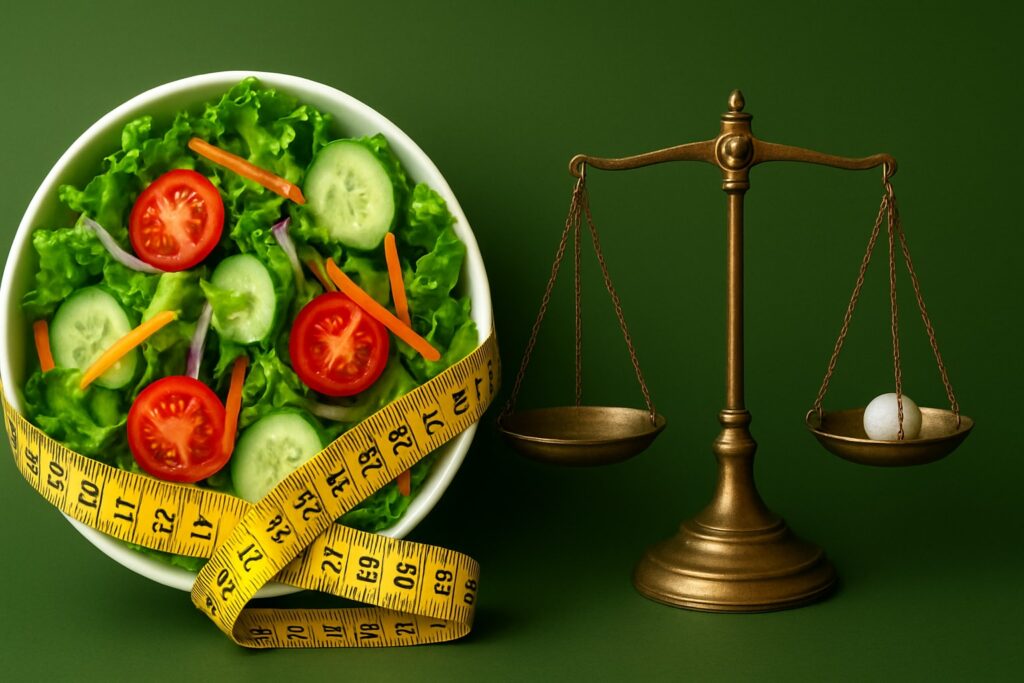
Growing public interest in evidence-based dietary approaches has led many to seek effective, sustainable methods for weight management. One strategy gaining scientific attention is the use of salad for weight loss, leveraging nutrient-dense vegetables and other low-energy-density ingredients.
Clinical evidence suggests that thoughtfully composed salads can promote satiety and support healthy body composition. In this article, we provide an overview of the scientific rationale for salads, review the latest research, and present 12 evidence-based salad ideas for 2026. We invite readers to explore practical meal strategies that align with current dietary guidelines and support long-term health.
The Science of Salads and Weight Loss
Understanding the relationship between salad for weight loss and scientific evidence is essential for developing effective dietary strategies. In this section, we examine the mechanisms by which salads may contribute to healthy weight management, review clinical data, detail preparation strategies, and highlight important limitations.
Mechanism: How Salads Can Support Weight Loss
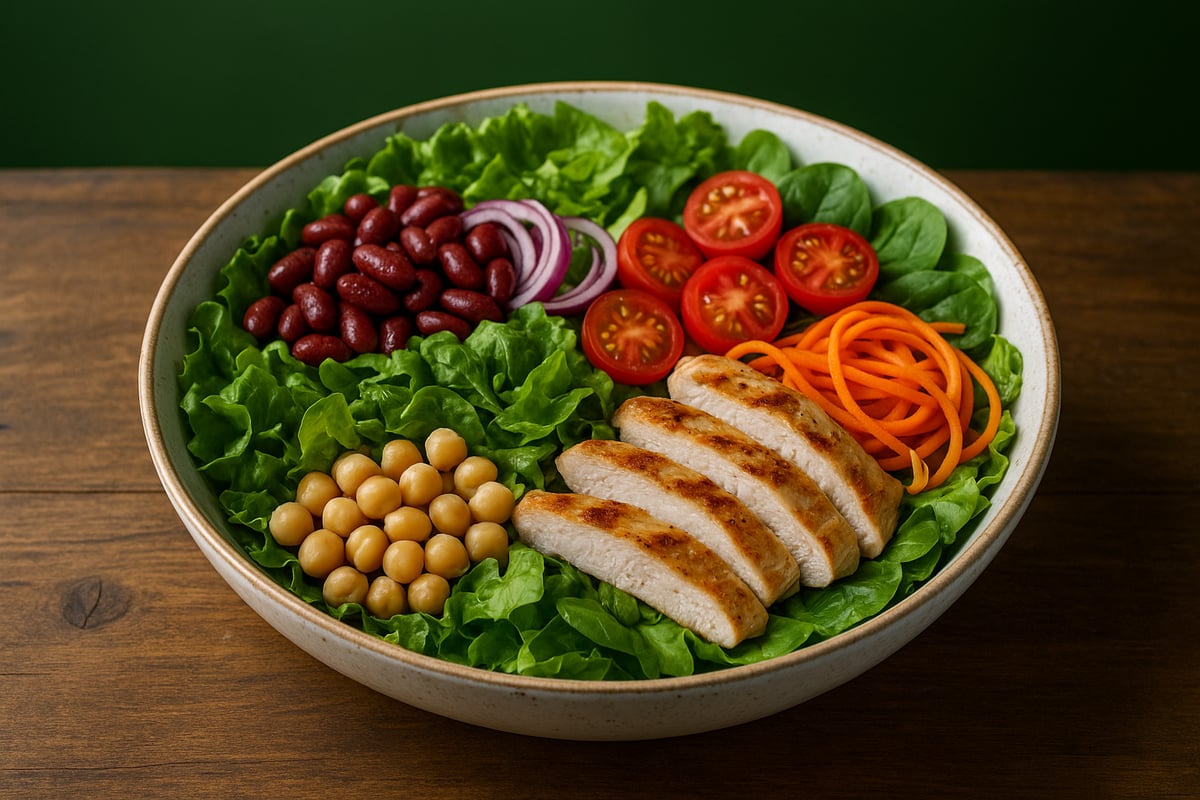
The foundation of the salad for weight loss approach lies in the principle of energy density. Foods with low energy density, such as vegetables and legumes, provide a larger food volume for fewer calories. This promotes satiety and helps reduce overall caloric intake, as demonstrated by Rolls BJ et al. (Am J Clin Nutr, 2005).
Fiber is another crucial component in a salad for weight loss. Vegetables and legumes are rich in dietary fiber, which slows gastric emptying and prolongs fullness after a meal. High water content in salad ingredients also increases food volume, further enhancing satiety signals. Additionally, micronutrients in these foods, such as potassium and magnesium, support overall metabolic health.
The glycemic index (GI) of common salad ingredients is generally low to moderate. Foods with a lower GI cause a slower rise in blood glucose, potentially reducing appetite and supporting stable energy levels throughout the day. By combining low-GI vegetables, legumes, and lean proteins, we can create a salad for weight loss that aligns with evidence-based dietary recommendations.
Evidence Summary: Clinical Studies on Salad Consumption and Weight Management
Substantial research supports the role of salad for weight loss in both short-term and long-term contexts. Randomized controlled trials and meta-analyses have shown that increasing vegetable intake is associated with a reduction in total calorie consumption and greater weight loss outcomes (Boeing H et al., Crit Rev Food Sci Nutr, 2012). Observational cohort studies also indicate that individuals who regularly consume salads tend to have healthier body weights over time (Ledoux TA et al., J Am Diet Assoc, 2011).
Recent analyses of national dietary surveys suggest that incorporating salads into daily meals is linked with improved adherence to dietary guidelines and increased vegetable consumption. For instance, Salad consumption and dietary adherence highlights that regular salad intake correlates with better overall nutrient profiles and healthier weight status in diverse populations.
It is important to recognize, however, that much of the available evidence is associative rather than causal. While the link between salad for weight loss and positive outcomes is strong, more interventional research is needed to establish direct effects.
Practical Implications for Salad Preparation
Effective preparation of a salad for weight loss requires thoughtful ingredient selection and portion control. We recommend limiting high-calorie dressings, processed meats, and added sugars. Instead, focus on incorporating lean proteins such as grilled chicken, legumes, or tofu, as well as whole grains like quinoa or brown rice.
Healthy fats, like those from nuts or olive oil, should be used in moderation. Portion control is essential; measuring dressings and toppings can prevent inadvertent calorie excess. Meal timing also matters—serving salads as a main course for lunch or dinner can help replace more calorie-dense options and support sustained fullness throughout the day.
Limitations and Considerations
While a salad for weight loss can be a valuable component of a balanced diet, it is not a standalone solution. Achieving and maintaining a healthy weight requires a holistic approach, including regular physical activity and overall calorie control.
Individualized dietary planning remains essential, especially for individuals with specific medical or nutritional needs. Salads must be part of a varied, nutrient-dense eating pattern tailored to personal goals and health status. Evidence continues to evolve, and ongoing research will further clarify best practices for integrating salad for weight loss into comprehensive weight management strategies.
12 Delicious Salad for Weight Loss Ideas to Try in 2026
Creating a salad for weight loss requires a thoughtful combination of ingredients that promote fullness, optimize nutrient intake, and align with clinical guidelines. Each of the following 12 salads is crafted to maximize satiety and nutrient density while supporting evidence-based weight management. For those seeking additional inspiration, curated weight-loss friendly salad recipes can further expand healthy options.
1. Mediterranean Chickpea and Quinoa Salad
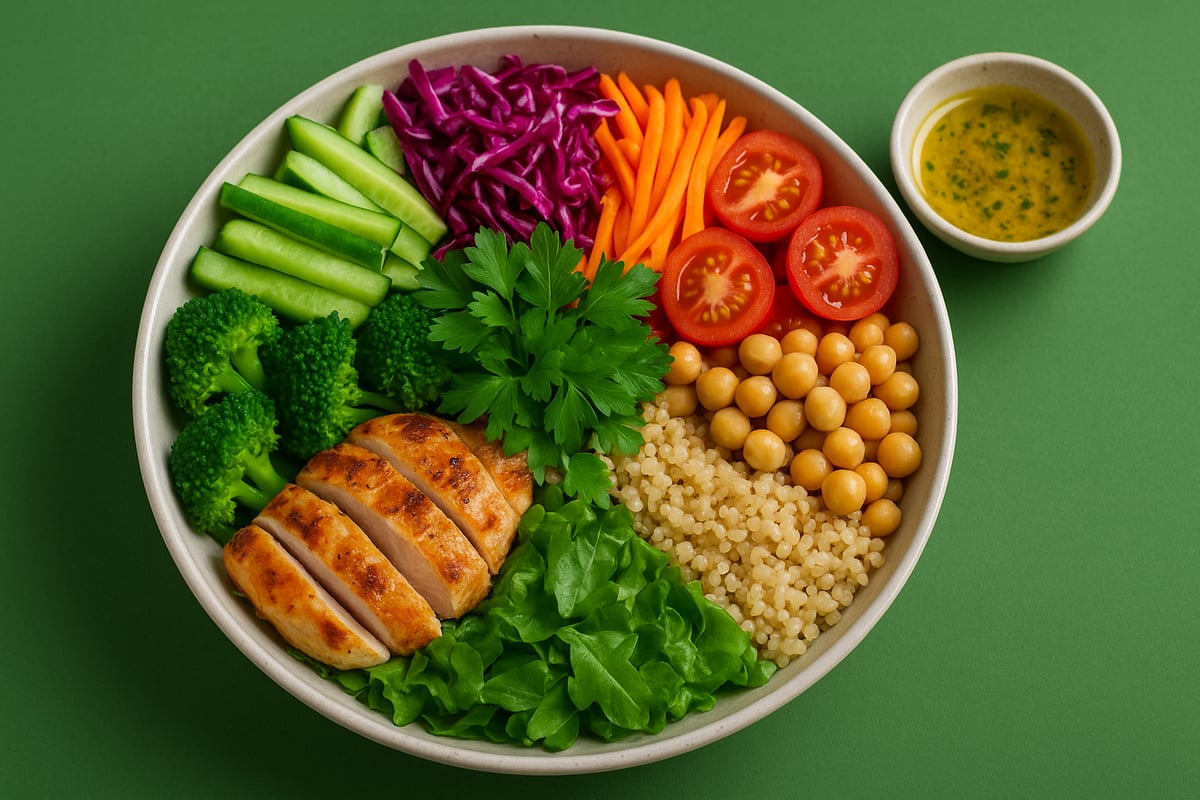
A Mediterranean chickpea and quinoa salad for weight loss emphasizes fiber, plant-based protein, and a range of micronutrients. This salad combines chickpeas, quinoa, cucumbers, tomatoes, red onion, and a lemon-olive oil vinaigrette. The use of whole grains and legumes contributes to sustained satiety and stable energy levels.
Evidence from randomized controlled trials indicates that Mediterranean-style dietary patterns are associated with improved weight outcomes and metabolic health. Chickpeas and quinoa provide both soluble and insoluble fiber, which support gut health and appetite regulation. Tomatoes and cucumbers offer hydration and antioxidants, further enhancing the salad for weight loss benefits.
For preparation, drain and rinse canned chickpeas to reduce sodium. Cook quinoa according to package instructions and allow it to cool before mixing. Limit the olive oil to 1–2 tablespoons per serving to control calorie content. Add fresh herbs such as parsley or mint for flavor without increasing energy density.
2. Grilled Salmon and Mixed Greens Salad
A grilled salmon and mixed greens salad for weight loss combines omega-3 fatty acids, lean protein, and a variety of phytonutrients. This dish includes grilled salmon, arugula, spinach, cherry tomatoes, and a light vinaigrette. Dark leafy greens are selected for their high micronutrient content and low energy density.
Clinical evidence demonstrates that regular fish intake, particularly salmon, supports weight maintenance and cardiovascular health. Omega-3 fatty acids have been shown to modulate inflammation and may contribute to improved satiety. The inclusion of mixed greens and tomatoes increases fiber and water content, both of which are important for a salad for weight loss.
To prepare, grill salmon fillets with minimal oil and season with herbs. Assemble the greens and tomatoes, then top with the warm salmon. Use a vinaigrette made from lemon juice, vinegar, and a small amount of olive oil to enhance flavor without adding excess calories.
3. Roasted Squash, Lentil, and Kale Salad
The roasted squash, lentil, and kale salad for weight loss offers a substantial portion of fiber, plant protein, and essential vitamins. Roasted butternut squash, green lentils, kale, and pumpkin seeds are combined with a balsamic dressing. This salad is rich in carotenoids, magnesium, and iron.
Meta-analyses indicate that increased consumption of lentils and legumes is linked to higher satiety and modest weight loss. Kale, a cruciferous vegetable, is associated with reduced risk of metabolic diseases and supports a low-calorie dietary pattern. Pumpkin seeds provide healthy fats and additional protein.
When preparing this salad for weight loss, roast butternut squash without added sugars or excessive oil. Massage kale with a small amount of lemon juice to improve texture. Toss lentils and seeds with the vegetables, then add a moderate amount of balsamic dressing for flavor.
4. Asian-Inspired Chicken and Cabbage Salad
An Asian-inspired chicken and cabbage salad for weight loss emphasizes lean protein, high-volume vegetables, and a flavorful yet calorie-conscious dressing. This salad features shredded cabbage, carrots, grilled chicken breast, edamame, and a ginger-sesame vinaigrette.
Evidence from randomized trials highlights the importance of protein-rich salads in reducing hunger and preserving lean mass during weight loss. Cabbage and carrots are low in energy density and high in water, making them ideal for a salad for weight loss. Edamame provides additional plant-based protein and fiber.
For best results, use skinless chicken breast, grilled or poached with minimal oil. Prepare the vinaigrette with a small amount of sesame oil, rice vinegar, and fresh ginger. Combine all ingredients and toss lightly to ensure even distribution of dressing and flavor.
5. Sweet Potato and Chickpea Power Bowl
A sweet potato and chickpea salad for weight loss combines resistant starches, fiber, and vitamins to promote fullness and stable blood sugar. Roasted sweet potatoes, chickpeas, baby spinach, red bell pepper, and a cumin-yogurt dressing form the base of this nutrient-dense salad.
Clinical research suggests that resistant starch in sweet potatoes supports glycemic control and increases satiety. Chickpeas provide plant protein and additional fiber, while spinach and bell peppers offer vitamin C and antioxidants important for a salad for weight loss.
To prepare, roast sweet potato cubes with a light spray of oil. Rinse and drain canned chickpeas, then combine with spinach and bell pepper. Whisk Greek yogurt with cumin, lemon juice, and a splash of water for the dressing, using it sparingly to control calories.
6. Tuna Niçoise Salad with Green Beans
The tuna Niçoise salad for weight loss is a high-protein, high-vegetable dish featuring tuna (packed in water), boiled eggs, green beans, new potatoes, olives, and tomatoes. This classic French salad delivers a balanced mix of macronutrients and micronutrients.
Randomized studies confirm that high-protein, high-vegetable salads improve satiety and help maintain nutrient adequacy during calorie restriction. Green beans and tomatoes add volume and fiber, supporting the effectiveness of this salad for weight loss.
To assemble, boil new potatoes and green beans until tender, then cool. Arrange with tuna, sliced boiled eggs, olives, and tomatoes on a bed of greens. Use a minimal amount of vinaigrette, and avoid frying or adding excess oil to keep the calorie count appropriate.
7. Broccoli and Lentil Salad with Lemon
A broccoli and lentil salad for weight loss combines cruciferous vegetables, plant-based protein, and a zesty lemon-tahini dressing. Steamed broccoli, cooked lentils, cherry tomatoes, parsley, and a light dressing are the main components.
Epidemiological data associate cruciferous vegetable intake with lower body weight and improved metabolic markers. Lentils add protein and fiber, which are essential for a salad for weight loss that promotes satiety and muscle preservation.
Steam broccoli until just tender to retain nutrients, then combine with cooked lentils and tomatoes. Prepare a dressing of tahini, lemon juice, and water, using it sparingly. Toss with chopped parsley for added freshness and micronutrients.
8. Wild Rice, Quinoa, and Cranberry Salad
The wild rice, quinoa, and cranberry salad for weight loss features whole grains, unsweetened dried cranberries, toasted walnuts, and spinach. This salad is rich in fiber, antioxidants, and omega-3 fatty acids.
Prospective cohort studies indicate that diets high in whole grains and nuts are associated with a reduced risk of weight gain. Quinoa and wild rice supply complex carbohydrates and protein, while spinach and cranberries offer vitamins and phytonutrients vital for a salad for weight loss.
To prepare, cook wild rice and red quinoa until tender. Combine with spinach, cranberries, and walnuts, limiting walnuts to one tablespoon per serving. Use a light vinaigrette and avoid sweetened cranberries to maintain optimal calorie density.
9. Thai Zucchini Noodle Salad with Tofu
A Thai zucchini noodle salad for weight loss leverages the high volume and low energy density of spiralized zucchini, paired with baked tofu, shredded carrots, red cabbage, and a peanut-lime sauce.
Research shows that plant-based proteins and high-volume vegetables support calorie control and weight management. Zucchini noodles provide bulk with minimal calories, making this salad for weight loss filling and nutrient-rich.
Bake tofu cubes without oil for a firmer texture. Spiralize zucchini, shred carrots and cabbage, and mix with tofu. Prepare a sauce using lime juice, a small amount of peanut butter, and reduced-sodium soy sauce. Limit peanut butter to one teaspoon per serving to avoid excess calories.
10. Shrimp and Orzo Spinach Salad
The shrimp and orzo spinach salad for weight loss combines cooked shrimp, whole-wheat orzo, baby spinach, grape tomatoes, and a lemon-dill vinaigrette. This salad provides lean protein, complex carbohydrates, and ample micronutrients.
Evidence from longitudinal studies supports the role of seafood and whole grains in promoting satiety and metabolic health. Shrimp is a low-fat protein source, while spinach and tomatoes contribute fiber and antioxidants, supporting a salad for weight loss approach.
Cook orzo and allow to cool, then toss with spinach and tomatoes. Add cooked shrimp and dress with a vinaigrette made from lemon juice, vinegar, and fresh dill. Use whole-wheat orzo for added fiber and avoid creamy dressings.
11. Roasted Beet, Nectarine, and Feta Salad
A roasted beet, nectarine, and feta salad for weight loss features roasted beets, sliced nectarines, reduced-fat feta cheese, arugula, and a balsamic reduction. This combination offers fiber, vitamins, and a balance of sweet and savory flavors.
Observational studies show that increased fruit and non-starchy vegetable intake supports weight loss and metabolic health. Beets and nectarines provide antioxidants and dietary fiber, while arugula adds a peppery note to this salad for weight loss.
Roast beets until tender, slice nectarines thinly, and use reduced-fat feta to limit saturated fat. Drizzle with a balsamic reduction made without added sugar, and serve on a bed of arugula for a nutrient-dense meal.
12. Apple, Walnut, and Spinach Salad with Maple-Cider Vinaigrette
The apple, walnut, and spinach salad for weight loss combines sliced apples, baby spinach, toasted walnuts, and a homemade maple-cider vinaigrette. This salad is high in fiber, antioxidants, and healthy fats.
Evidence suggests that nuts and fruits, when consumed in moderation, contribute to satiety and support healthy weight management. Spinach and apples add volume and micronutrients, making this an ideal salad for weight loss.
Slice apples thinly and toss with spinach. Add a tablespoon of toasted walnuts per serving. Whisk together apple cider vinegar, a small amount of pure maple syrup, and olive oil for the vinaigrette, using it sparingly to control calorie density.
Tips for Maximizing Weight Loss Benefits from Salads
Choosing the right approach to preparing a salad for weight loss can significantly improve outcomes. Evidence-based strategies for ingredient selection, portion control, and dressing choices are essential for maximizing satiety and supporting effective calorie management.
Ingredient Selection and Preparation
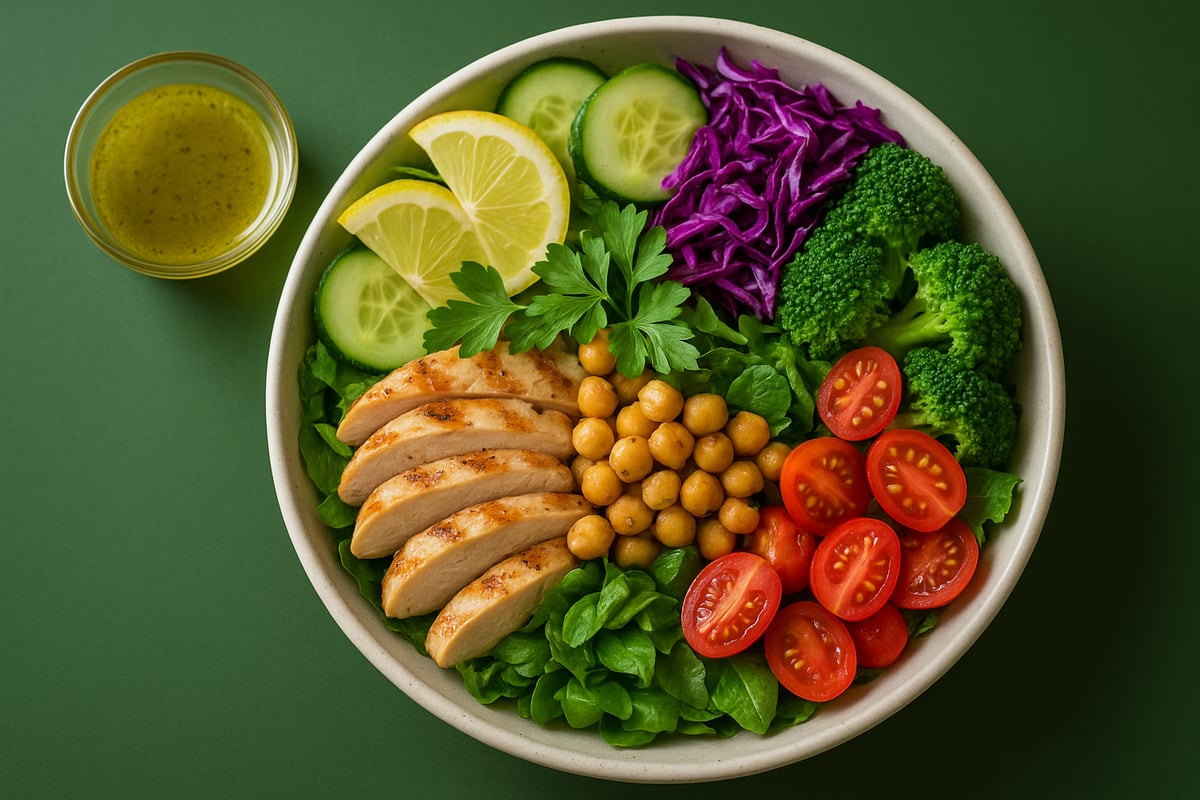
Selecting a diverse range of colorful, non-starchy vegetables increases the nutrient density of any salad for weight loss. Evidence suggests that higher vegetable intake provides essential vitamins, minerals, and fiber, supporting fullness and metabolic health. Limiting high-calorie toppings such as cheese, croutons, and creamy dressings is critical to prevent excess energy intake.
Instead, we can use fresh herbs, spices, and citrus juice to enhance flavor without adding unnecessary calories. Incorporating a mix of raw and lightly cooked vegetables further boosts texture and palatability. These strategies help ensure that each salad for weight loss is both satisfying and aligned with clinical guidelines.
Portion Control and Meal Timing
Managing portion sizes is vital when using a salad for weight loss as a main meal. Research indicates that serving salads as the primary course at lunch or dinner can displace higher-calorie foods and promote satiety. Using smaller plates or bowls is a simple technique to encourage appropriate serving sizes.
Pairing salads with lean protein sources, such as grilled chicken, legumes, or tofu, further increases satiety and aids muscle preservation. The timing of salad consumption may also influence energy intake, as discussed in studies on salad timing and meal energy intake. Consistent meal patterns and mindful eating habits support weight management goals.
Evidence-Based Dressing Choices
Choosing dressings carefully is a key aspect of preparing a salad for weight loss. Making homemade dressings with olive oil, vinegar, lemon juice, and herbs helps control both calories and sodium content. Avoiding commercially prepared dressings, which often contain added sugars and saturated fats, is recommended by current nutritional guidelines.
Measuring dressing portions precisely prevents accidental excess calorie intake. For more guidance on optimizing salad preparation and avoiding common pitfalls, review these common salad mistakes in weight loss. These evidence-based choices contribute to sustainable dietary habits and support long-term success.
Common Pitfalls and How to Avoid Them
While a salad for weight loss can be effective, several common mistakes may limit results or even hinder progress.
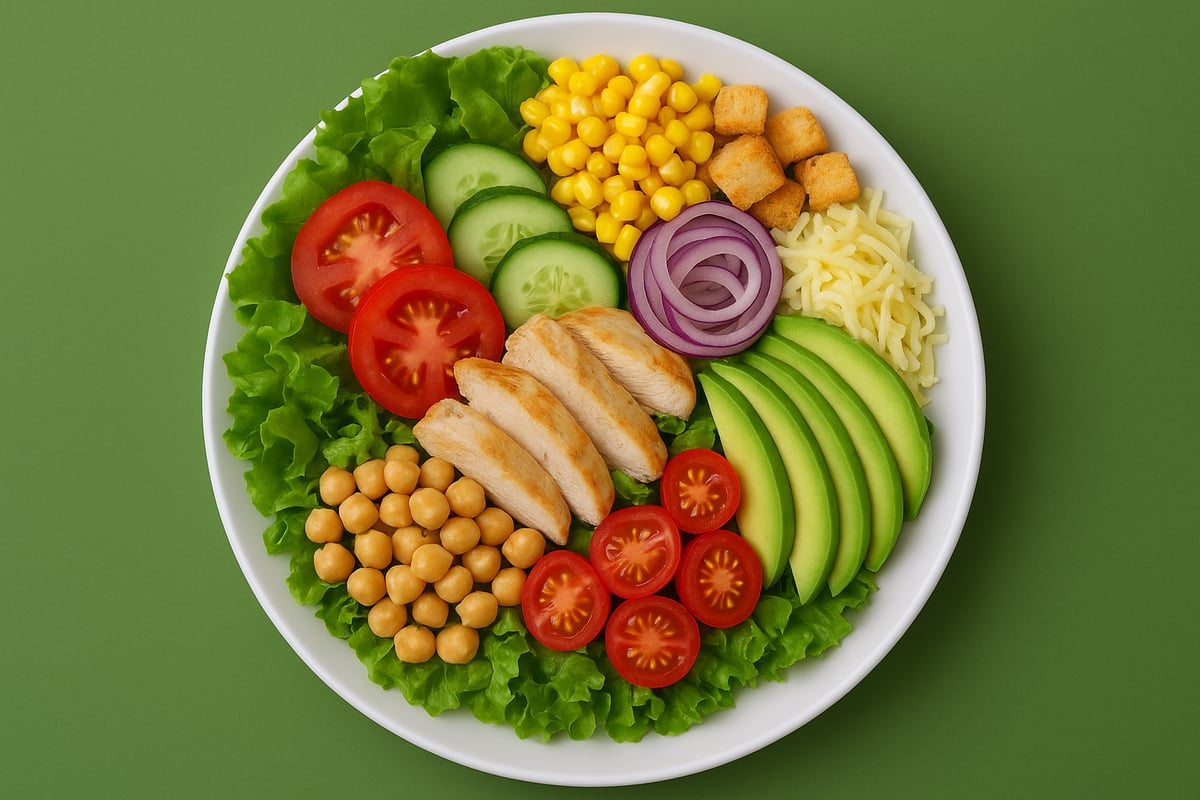
Key pitfalls include:
- Adding large amounts of cheese, nuts, or oils, which can quickly increase calorie density.
- Skipping protein sources, leading to insufficient satiety and possible muscle loss. For filling, balanced options, explore high-protein healthy salad ideas.
- Choosing commercial salads that contain hidden sugars, sodium, and unhealthy fats.
We recommend carefully selecting ingredients, measuring calorie-dense toppings, and preparing salads at home to maximize the benefits of a salad for weight loss.
Now that you’ve explored how thoughtfully prepared salads can make weight loss both satisfying and sustainable, why not take the next step with a structured plan you can trust? If you’re looking for guidance that goes beyond recipes—grounded in medical expertise and real science—you’ll find even more support at PREVENTIV. You don’t have to navigate the journey alone. For practical, doctor-led strategies tailored to metabolic health and weight management, I invite you to explore a science backed approach to weight loss. Let’s work together toward your healthiest self.
