
Interest in the weight loss patch has surged throughout 2026, with many individuals seeking convenient solutions for managing body weight. Despite their widespread appeal and bold marketing claims, questions remain about the true effectiveness and safety of these products.
In this comprehensive, evidence-based guide, we examine the science behind the weight loss patch, including how it works, its efficacy, potential risks, and current regulatory oversight.
Readers will gain insight into the mechanisms of action, a critical review of clinical studies, safety considerations, official recommendations, and practical steps to consider before use.
For those seeking reliable, expert guidance, we invite you to explore the facts and make informed decisions about weight loss patch options.
Understanding Weight Loss Patches: What Are They and How Do They Work?
In recent years, the weight loss patch has become a widely discussed tool in the realm of weight management. These patches promise a convenient, non-oral approach for those seeking alternatives to traditional supplements. To understand their place in modern health strategies, we must evaluate the types, mechanisms, ingredients, regulatory status, and prevalence of these products.
Definition and Types of Weight Loss Patches
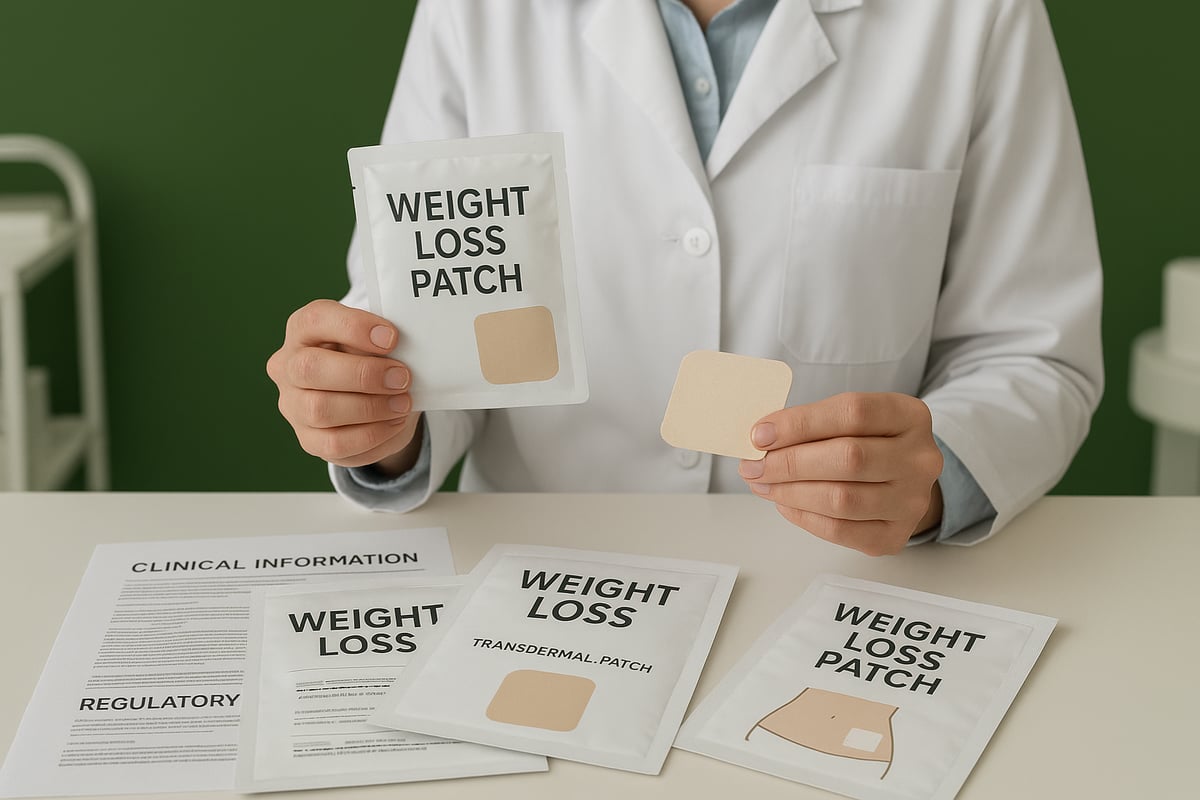
A weight loss patch is a transdermal product designed to deliver active ingredients through the skin into the bloodstream. This technology, originally developed for medications such as nicotine or hormone therapy, has been adapted for weight management purposes. Patches are generally classified as metabolism boosters, appetite suppressants, or combination products.
Common ingredients include herbal extracts, stimulants, and vitamins, though the precise formulation varies. Some patches claim to be medical-grade, while others are sold over the counter. Regulatory bodies like the FDA and EMA define these products based on their intended use and ingredient profile. For a detailed overview of specific patch products and their mechanisms, visit our slim patch product exploration.
Mechanism of Action: How Ingredients Are Delivered
The weight loss patch relies on transdermal absorption, where compounds move across the skin barrier into systemic circulation. Skin permeability is a key factor, influenced by the molecular size and solubility of the active ingredients, as well as the formulation of the patch.
Compared to oral administration, transdermal delivery bypasses the digestive tract and first-pass metabolism, potentially improving bioavailability for certain substances. However, not all weight loss agents are suitable for this route due to biological limitations. Clinical pharmacokinetic studies indicate that while some compounds can be absorbed effectively, others show limited systemic uptake when delivered via a patch.
Common Ingredients and Their Purported Roles
Many weight loss patch formulations include green tea extract, garcinia cambogia, acai berry, and green coffee bean. Evidence from clinical trials and systematic reviews suggests that these ingredients may have modest effects on metabolism or appetite, though results are inconsistent.
There is considerable variability in product composition, and a lack of standardization and quality control remains a concern. Regulatory agencies have noted issues with ingredient transparency, making it difficult for consumers and clinicians to assess the safety and efficacy of a given weight loss patch.
Regulatory Oversight and Quality Assurance
Regulatory oversight for the weight loss patch varies by region. In the United States, the FDA may classify these products as dietary supplements or drugs, depending on their claims and ingredients. The EMA and MHRA in Europe use similar frameworks.
When classified as supplements, patches are not subject to the same rigorous pre-market evaluation as medicinal products. This has led to challenges with unproven claims, product recalls, and safety advisories. Official enforcement actions highlight the need for stronger quality assurance and clearer labeling in the weight loss patch market.
Prevalence and Market Trends in 2026
The weight loss patch has seen increasing consumer interest, with industry reports indicating a rise in usage rates and product diversity. Market analyses suggest continued growth through 2026, fueled by demand for non-oral weight management solutions. Public health agencies continue to monitor the proliferation of these products and their impact on consumer safety.
Scientific Evidence: Do Weight Loss Patches Work?
Understanding the scientific foundation of any weight loss patch is crucial for informed decision-making. We will examine the available clinical evidence, assess ingredient-specific data, identify research gaps, and compare effectiveness against established weight loss interventions.

Review of Clinical Studies and Meta-Analyses
Randomized controlled trials (RCTs) and observational studies form the backbone of evidence for any weight loss patch. Most published studies on these products involve small sample sizes, short durations, and variable formulations.
A review of RCTs indicates that some weight loss patch formulations may lead to modest reductions in body weight compared to placebo. However, the magnitude of these effects is generally limited, with average weight loss often less than 2 kilograms over 8 to 12 weeks.
Meta-analyses highlight inconsistencies in study design, participant characteristics, and outcome measures. Some trials report no statistically significant benefit, while others demonstrate only minimal improvements. Importantly, few studies have evaluated long-term outcomes or provided data on maintenance of weight loss after discontinuation of the weight loss patch.
Ingredient-Specific Evidence
The efficacy of any weight loss patch depends on its active ingredients. Green tea extract is frequently included due to its catechin content, which has been associated with increased energy expenditure in some trials. Systematic reviews suggest the effect size is small and may not translate to clinically meaningful weight loss.
Garcinia cambogia is another common ingredient. Clinical outcomes are mixed, with some studies reporting modest weight reduction and others finding no effect. Safety concerns, particularly hepatotoxicity, have been documented in case reports.
Other ingredients, such as acai berry and green coffee bean, lack robust evidence from large, high-quality trials. The variability in formulations and doses complicates direct comparisons, and the mechanism by which these compounds would exert significant effects through transdermal delivery remains unproven for most.
Limitations and Gaps in Current Research
The current research base for the weight loss patch is limited by several factors. Most available studies enroll fewer than 100 participants, often lack blinding, and rarely extend beyond 12 weeks.
Long-term safety and efficacy data are notably absent, and few trials are independently funded. There is also a lack of standardized outcome measures, making it difficult to compare results across products or populations.
Calls for further research emphasize the need for larger, well-controlled studies with rigorous methodology. Until such evidence emerges, confidence in the effectiveness of any weight loss patch remains low among the scientific community.
Comparative Effectiveness: Patches vs. Other Weight Loss Interventions
When compared to established interventions, the weight loss patch generally demonstrates inferior outcomes. Lifestyle modifications, including dietary changes and increased physical activity, consistently outperform patches in both short-term and long-term studies.
Prescription medications, such as GLP-1 agonists, have demonstrated greater efficacy for weight reduction and improved metabolic parameters. Bariatric surgery remains the most effective intervention for sustained weight loss in eligible individuals.
A systematic review of nonsurgical weight loss interventions confirms that structured programs and pharmacotherapy yield more substantial and durable results than patch-based approaches. Clinical guidelines do not currently recommend the routine use of weight loss patch products as a primary or adjunctive therapy.
Expert Consensus and Official Recommendations
Medical societies, including the Obesity Society and the Endocrine Society, do not endorse the use of any weight loss patch as a stand-alone or preferred intervention. Official guidelines emphasize evidence-based lifestyle, pharmacological, or surgical options for weight management.
In summary, scientific scrutiny reveals limited support for the effectiveness of the weight loss patch. Further research is required to clarify its potential role, if any, in comprehensive obesity care.
Safety Profile, Side Effects, and Risks
Assessing the safety of any weight loss patch is critical before considering its use. Although marketed as convenient, these products can carry significant risks that warrant careful evaluation. We will examine the most common adverse reactions, systemic effects, contamination concerns, population-specific risks, and recent regulatory actions.
Common Adverse Effects and Dermatological Reactions
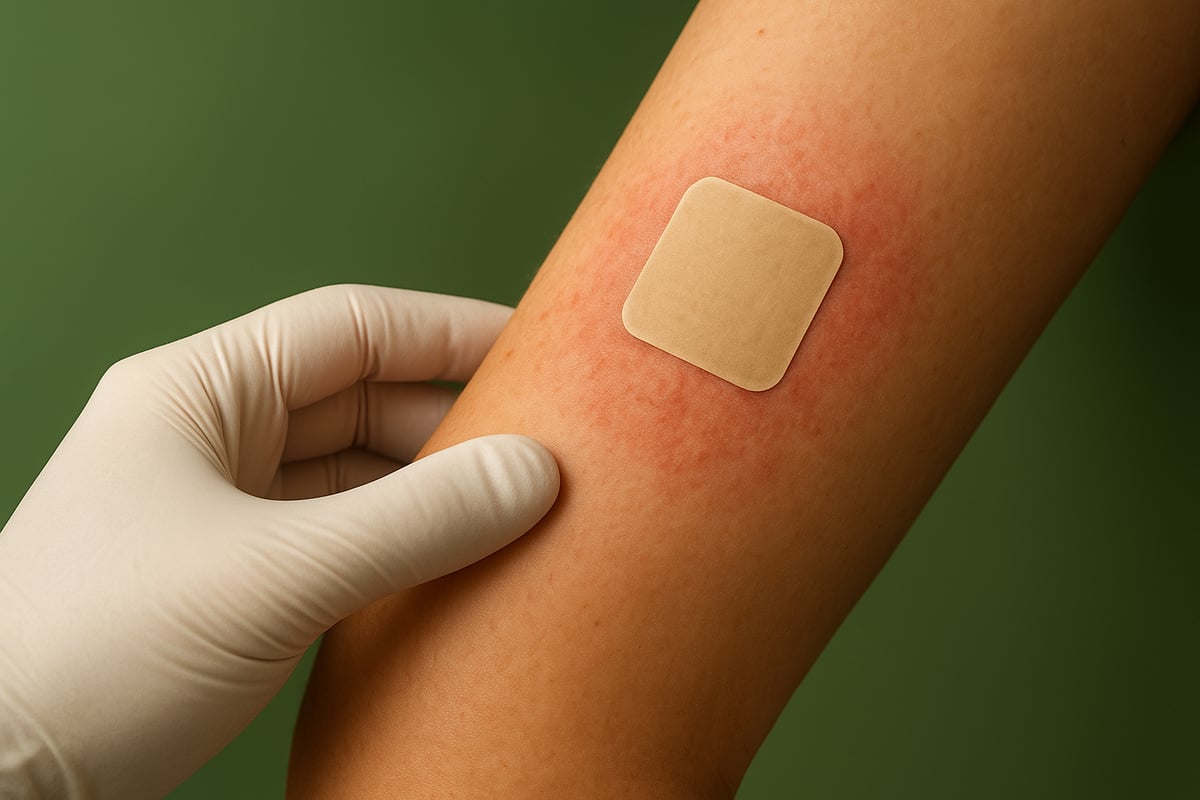
The most frequently reported side effects of a weight loss patch involve skin reactions at the application site. Clinical studies and post-marketing surveillance identify contact dermatitis, redness, itching, and swelling as leading complaints.
Patch adhesives and active ingredients can provoke allergic responses, especially with repeated use. Reports in dermatology journals confirm cases where individuals experienced worsening symptoms after prolonged application. Rotating patch sites and following manufacturer instructions may reduce risk, but adverse events can still occur. It is essential to monitor for persistent irritation and consult a healthcare professional if symptoms develop while using a weight loss patch.
Systemic Side Effects and Drug Interactions
Beyond local skin effects, a weight loss patch may cause systemic side effects depending on its active ingredients. Stimulants such as caffeine or synephrine, commonly included in patches, have been associated with increased heart rate, elevated blood pressure, and nervousness.
Herbal extracts and other compounds can interact with prescription medications, potentially altering drug levels or therapeutic effects. Pharmacovigilance databases note rare cases of palpitations, insomnia, or gastrointestinal symptoms linked to patch use. Individuals taking other medications should discuss potential interactions with a healthcare provider prior to starting a weight loss patch, as systemic risks may be underestimated.
Ingredient Contamination and Unregulated Substances
A major safety concern with weight loss patch products is the presence of undisclosed or banned substances. Regulatory agencies have identified cases where patches contained hidden drug ingredients not listed on the label. The FDA warning on hidden drug ingredients in weight loss patches illustrates the risk of contamination and the potential for harmful side effects.
Such findings highlight the lack of standardized quality control in many over-the-counter products. Consumers face significant risks from unregulated patches, including exposure to substances that may cause serious health complications. Vigilance and reliance on reputable sources are essential when considering a weight loss patch.
Vulnerable Populations: Special Considerations
Certain populations are at higher risk when using a weight loss patch. Children and adolescents are particularly vulnerable due to limited safety data and developmental concerns. Pregnant and breastfeeding individuals should avoid patches, as safety in these groups has not been established.
People with chronic medical conditions, such as cardiovascular disease, diabetes, or those on multiple medications, may experience exacerbated side effects or drug interactions. Official contraindications and warnings from regulatory agencies underscore the importance of individualized assessment. Before using a weight loss patch, these groups should seek medical advice to prevent avoidable harm.
Regulatory and Legal Actions in 2026
In 2026, regulatory bodies including the FDA, EMA, and MHRA intensified oversight of the weight loss patch market. Multiple enforcement actions targeted manufacturers making unproven claims or distributing contaminated products. Product recalls and public safety advisories were issued in response to adverse event reports and laboratory findings.
Recent statistics indicate a rise in reported side effects, prompting stricter requirements for ingredient disclosure and post-market surveillance. These actions reflect ongoing efforts to protect consumers and emphasize the need for evidence-based evaluation when considering a weight loss patch.
Step-by-Step Guide: What to Consider Before Using a Weight Loss Patch
Before considering a weight loss patch, it is essential to approach the decision systematically. We recommend following these five steps to ensure safety, efficacy, and compliance with current medical guidelines.

Step 1: Assessing Personal Health Status
The first step before using any weight loss patch is a thorough health evaluation. We advise consulting a healthcare provider to review your medical history, current medications, and any pre-existing conditions. Certain individuals, such as those with cardiovascular disease, metabolic disorders, or a history of allergic reactions, may be at increased risk of adverse effects.
A clinical assessment will help identify potential contraindications and ensure the chosen weight loss patch does not interfere with ongoing treatments. Current guidelines recommend individualized risk assessment as part of any weight management plan. This step is critical for minimizing harm and optimizing outcomes.
Step 2: Evaluating Product Claims and Ingredient Transparency
Carefully scrutinize all marketing claims associated with a weight loss patch. Verify that the manufacturer provides a complete list of ingredients, supported by scientific evidence or regulatory approval. Beware of products making unsubstantiated promises or those lacking transparency.
Consumers should be aware that regulatory agencies, including the Federal Trade Commission, have taken enforcement actions against companies making deceptive claims about weight loss patch effectiveness, as seen in this FTC action against deceptive weight loss patch claims. Always look for evidence from peer-reviewed clinical studies, and avoid products that do not disclose ingredient sources or concentrations.
Step 3: Consulting with Healthcare Professionals
Consultation with qualified healthcare professionals is strongly recommended before starting any weight loss patch. Physicians, pharmacists, and registered dietitians can provide guidance tailored to your individual health profile. They will help interpret clinical evidence, identify possible interactions with medications, and assess the appropriateness of a weight loss patch in the context of your overall treatment plan.
Openly share all supplements and treatments you are considering. This collaborative approach supports patient safety and aligns with best practices outlined in current clinical guidelines.
Step 4: Monitoring for Side Effects and Reporting Adverse Events
After starting a weight loss patch, monitor for any side effects, particularly skin irritation, allergic reactions, or unexpected symptoms. Early detection of adverse effects is essential for preventing complications.
If you experience any concerning reactions, discontinue use and seek medical advice promptly. Report adverse events through official channels, such as the FDA MedWatch program or the Yellow Card Scheme in the UK. Regulatory agencies rely on these reports to inform public safety advisories and update product recommendations.
Step 5: Integrating Evidence-Based Weight Management Strategies
A weight loss patch should never replace proven, evidence-based interventions. Integrate lifestyle modifications, such as structured diet and physical activity, alongside any chosen patch under professional supervision. Clinical guidelines consistently recommend comprehensive approaches for sustainable weight management and improved health outcomes.
Practical Implications: Cost, Accessibility, and User Experience
Financial Considerations
The financial impact of using a weight loss patch in 2026 warrants careful evaluation. The average cost for a one-month supply of a weight loss patch ranges from $60 to $150, depending on the brand, active ingredients, and whether the product is classified as supplement or medical device.
Insurance coverage for weight loss patch products remains limited, as most are considered non-essential or over-the-counter. Out-of-pocket expenses can accumulate quickly for prolonged use, especially if combined with other interventions. Clinical guidelines recommend comparing these costs to established weight management strategies, such as prescription medications or structured programs.
Below is a table summarizing average monthly costs:
| Intervention | Average Monthly Cost | Insurance Coverage |
|---|---|---|
| Weight loss patch | $60–$150 | Rarely |
| Prescription medication | $100–$300 | Sometimes |
| Lifestyle program | $40–$200 | Occasionally |
| Bariatric surgery (monthly) | $500+ (financed) | Often |
Cost-effectiveness analyses suggest the weight loss patch is less efficient than lifestyle or medical therapies, particularly given the modest evidence for sustained benefit.
Accessibility and Product Availability
Accessibility to a weight loss patch has increased, with products widely available through online retailers, pharmacies, and health stores. Consumers can purchase a weight loss patch without prescription in many regions, although availability may vary depending on local regulations.
In the United States and European Union, regulatory authorities have issued advisories regarding unproven claims and product quality. Some regions restrict sales of certain ingredients, affecting which weight loss patch options are offered. Market reports indicate a rise in cross-border online sales, raising concerns about product authenticity and safety.
Key points regarding accessibility:
- Online platforms offer the widest selection of weight loss patch products.
- Regional bans on specific substances may limit local availability.
- Regulatory oversight differs, impacting consumer protection measures.
Before purchasing, consumers should verify product registration status and check for official safety warnings.
User Instructions and Adherence Challenges
Proper use of a weight loss patch is critical for both safety and potential efficacy. Manufacturer guidelines typically recommend applying the weight loss patch to clean, dry skin, rotating sites to minimize irritation, and following specified duration instructions (often 8–24 hours per patch).
Common user errors include failing to adhere the patch securely, inconsistent application schedules, or premature removal. Surveys indicate up to 30% of users report difficulty maintaining consistent use, citing skin discomfort or adhesive issues. Additionally, improper disposal of used patches may result in accidental exposure to active ingredients, particularly among children and pets.
To improve adherence:
- Follow the manufacturer’s instructions for placement and duration.
- Monitor for skin reactions and consult a healthcare provider if irritation develops.
- Set reminders to change the weight loss patch at the appropriate intervals.
Adherence challenges may compromise any potential benefit and increase the risk of adverse effects.
Real-World User Experiences and Reported Outcomes
Real-world data on the weight loss patch highlight mixed user experiences. Published case reports and consumer surveys reveal that while some individuals perceive modest benefits, a significant proportion report minimal or no effect on weight. Adverse skin reactions, such as redness or itching, are among the most frequently cited complaints.
Registry data and independent consumer watchdog organizations have noted a lack of transparency regarding ingredient lists and variable product quality. Satisfaction rates appear lower than those for structured programs or medical therapies, as confirmed by multiple consumer advocacy reports. For individuals seeking more comprehensive, evidence-based support, a weight management program overview may provide valuable context on alternative approaches.
In summary, while a weight loss patch may offer convenience, current evidence and user feedback recommend careful consideration of both expectations and safety.
Alternatives to Weight Loss Patches: Evidence-Based Options
Exploring alternatives to the weight loss patch is essential for anyone seeking safe and effective weight management. Robust clinical evidence demonstrates that several strategies outperform or complement patches, especially when tailored to individual needs. We review leading options, supported by peer-reviewed research and clinical guidelines, to help inform your choices.
Lifestyle Interventions: Diet, Physical Activity, and Behavioral Support
Clinical trials consistently show that structured lifestyle interventions are the foundation of sustainable weight management. These programs combine dietary modification, increased physical activity, and behavioral support to induce meaningful weight loss.
Compared to the weight loss patch, lifestyle approaches deliver superior long-term outcomes, reducing risks for chronic diseases. Evidence from systematic reviews, including those referenced in Metabolism and sustainable health tips, highlights the value of individualized nutrition plans, regular exercise, and psychological support. Adherence to these interventions is associated with improved metabolic health and weight stability.
Pharmacological Treatments: Prescription Medications
For individuals who do not achieve sufficient results with lifestyle measures alone, pharmacological agents are often considered. Several FDA and EMA-approved medications target appetite regulation, fat absorption, or metabolic pathways.
Randomized controlled trials indicate that these drugs, when used under medical supervision, can produce greater weight loss than the weight loss patch alone. Comparative analyses, such as those reviewed in Medical options for obesity management, show that prescription therapies offer measurable benefits for eligible patients. However, they also require careful monitoring for adverse effects and contraindications.
Bariatric Surgery and Medical Devices
For those with severe obesity or weight-related comorbidities, bariatric surgery represents a highly effective intervention. Procedures like gastric bypass and sleeve gastrectomy lead to substantial, sustained weight loss and improvement in metabolic parameters.
Clinical guidelines position surgery as more effective than any weight loss patch, especially for patients with BMI above defined thresholds. Medical devices, such as gastric balloons or electrical stimulators, may offer less invasive alternatives, but their efficacy varies and long-term safety data are still emerging. All surgical or device-based approaches demand thorough preoperative evaluation and lifelong follow-up.
The Role of Medical Supervision and Personalized Care
Evidence strongly supports the importance of individualized, multidisciplinary care in weight management. Medical supervision ensures that interventions, whether lifestyle, pharmacological, or surgical, are appropriately selected and monitored for safety.
Relying solely on the weight loss patch without professional input may delay access to proven therapies or overlook underlying health issues. Official recommendations emphasize collaboration with healthcare providers, registered dietitians, and behavioral specialists to maximize outcomes and minimize risks.
Summary Table: Comparative Effectiveness and Risks
| Option | Efficacy | Safety Profile | Cost |
|---|---|---|---|
| Weight loss patch | Low-moderate | Variable, concerns | Moderate-high |
| Lifestyle interventions | Moderate-high | High | Low-moderate |
| Medications | Moderate-high | Moderate | Moderate-high |
| Bariatric surgery | High | Moderate | High |
This table synthesizes findings from systematic reviews and clinical guidelines, illustrating that the weight loss patch is generally less effective than evidence-based alternatives.
Future Directions and Ongoing Research in Weight Loss Patch Technology
Ongoing research is shaping the next generation of weight loss patch technology. Emerging studies and regulatory shifts are driving innovation, improving safety, and enhancing efficacy. In this section, we review advances in transdermal delivery, current clinical trials, evolving regulation, and the broader impact on public health.
Advances in Transdermal Delivery Systems
Recent advances in transdermal delivery systems are addressing key limitations of existing weight loss patch products. Newer technologies, such as microneedle arrays and nanocarrier-based formulations, are being explored to enhance skin permeability and improve controlled release of active compounds.
Biomedical engineering research has demonstrated that these innovations may allow for more consistent dosing and better absorption of therapeutic agents. However, challenges remain regarding the stability of complex ingredients and the risk of skin irritation with repeated use.
As we continue to see progress, the weight loss patch landscape is expected to benefit from more personalized and effective delivery methods, potentially improving patient outcomes in the future.
Ongoing and Upcoming Clinical Trials
Clinical trials registered in recent years are evaluating both the safety and efficacy of novel weight loss patch formulations. These studies, listed on platforms such as clinicaltrials.gov and the EU Clinical Trials Register, are investigating a range of active ingredients and delivery mechanisms.
Key research questions include optimal dosing strategies, long-term safety, and comparative effectiveness against established weight management interventions. Early-phase trials are also focusing on pharmacokinetics and skin tolerability.
While preliminary findings are promising, definitive evidence for widespread clinical adoption of any weight loss patch will require large, well-controlled studies with diverse populations and extended follow-up.
Regulatory Developments and Policy Changes
Regulatory agencies, including the FDA, EMA, and MHRA, are reviewing current frameworks for the oversight of weight loss patch products. Anticipated updates may include stricter requirements for ingredient disclosure, manufacturing quality, and substantiation of claims.
Recent policy papers highlight the importance of distinguishing between supplements and medicinal products, as this affects approval pathways and post-market surveillance. Agencies are also increasing enforcement actions against unsubstantiated health claims and undeclared substances.
These regulatory developments are expected to enhance consumer safety and promote the responsible development of future weight loss patch technologies.
Public Health Implications and Consumer Education
As the market for weight loss patch products grows, public health agencies are prioritizing evidence-based education to guide consumers. Accurate information on risks, benefits, and limitations is being disseminated through official campaigns and healthcare provider training.
Healthcare professionals play a critical role in counseling patients, addressing misconceptions, and reporting adverse events. Collaborative efforts between regulatory bodies, clinicians, and researchers aim to reduce misinformation and support safe, informed decision-making.
Continued public health vigilance is essential to ensure that advances in weight loss patch technology translate into meaningful benefits for individuals and populations.
After exploring the facts, safety considerations, and the latest research on weight loss patches in 2026, you might be wondering what the most effective next steps are for your health journey. If you’re looking for more than just quick fixes and want to understand the science behind sustainable results, we can help. At PREVENTIV, our doctor-led approach focuses on empowering you with trustworthy, evidence-based education and personalized support—so you can make choices with confidence. Ready to take the next step toward informed, lasting weight management?
Explore a science-backed approach to weight loss
