

Most American adults living with obesity never realize that true metabolic health goes far beyond the number on a scale. While nearly 88 percent of American adults show signs of poor metabolic health, persistent myths still tie wellness to weight alone. Understanding the science behind hormones, lifestyle, and nutrition reveals the full picture so you can make lasting changes for better energy and long-term wellbeing.
Table of Contents
- Defining Metabolic Health and Common Myths
- Key Markers of Metabolic Health
- Hormones, Gut Health, and Metabolism Connection
- Impact of Lifestyle on Metabolic Health
- Risks of Poor Metabolic Health and How to Improve
Key Takeaways
| Point | Details |
|---|---|
| Metabolic health involves more than weight | Key indicators include blood glucose levels, body composition, blood pressure, cholesterol, and triglyceride levels that provide insight into metabolic efficiency. |
| Lifestyle factors shape metabolic health | Nutrition, physical activity, sleep quality, and stress management collectively influence metabolic function and disease risk. |
| Comprehensive assessments are crucial | Request a metabolic panel with fasting and postprandial measurements to better understand your metabolic health. |
| Small changes yield big results | Focus on sustainable lifestyle modifications rather than extreme interventions for improving metabolic wellness. |
Defining Metabolic Health and Common Myths
Metabolic health represents far more than simply maintaining a healthy weight. It encompasses a complex biological system determining how effectively your body processes nutrients, regulates energy, and maintains critical physiological functions. Metabolic dysfunction extends beyond visible obesity and involves intricate interactions between hormones, cellular processes, and biochemical pathways.
Contrary to popular belief, metabolic health isn’t solely determined by body weight. Millions of people with seemingly normal body mass can experience significant metabolic challenges. Key indicators of metabolic health include blood glucose levels, body composition, blood pressure, cholesterol profiles, and triglyceride levels. These metrics provide a comprehensive view of how efficiently your body converts food into energy and manages internal processes.
Common myths about metabolic health often oversimplify the underlying biological complexity. Many individuals mistakenly believe that diet and exercise are the only factors influencing metabolic function. However, scientific research reveals a more nuanced picture. Genetic predispositions, hormonal balance, stress levels, sleep quality, and environmental factors all play critical roles in determining metabolic efficiency. Understanding these interconnected systems helps individuals develop more holistic approaches to metabolic wellness.
Pro Tip: Request a comprehensive metabolic panel from your healthcare provider to gain deeper insights into your individual metabolic health markers beyond standard weight measurements.
Key Markers of Metabolic Health
Metabolic health is best understood through a comprehensive set of biomarkers that reveal how efficiently your body processes nutrients and manages energy. Advanced metabolic assessment goes beyond simple weight measurements, providing critical insights into overall physiological function.
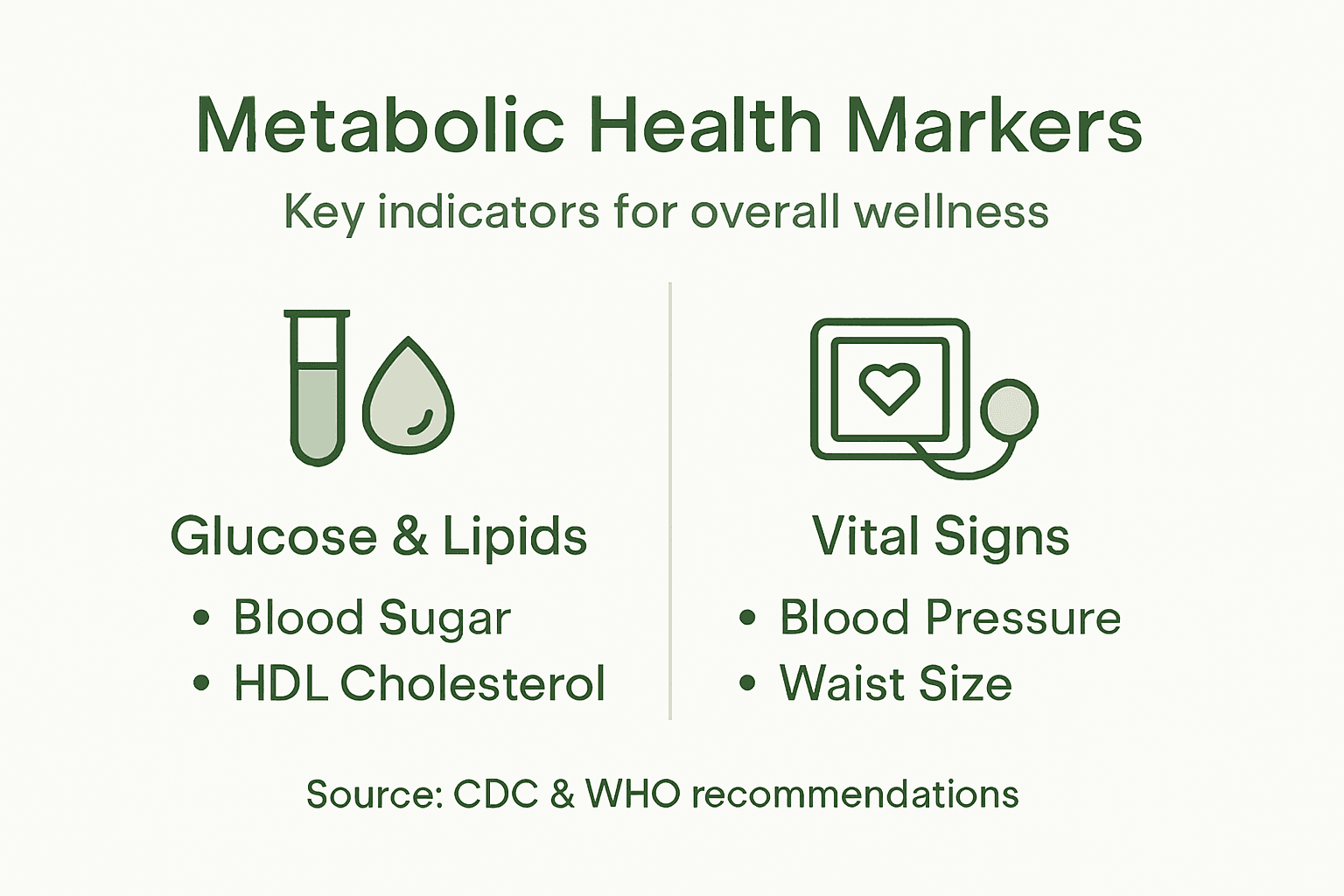
The primary markers of metabolic health include blood glucose regulation, insulin sensitivity, lipid profiles, blood pressure, and body composition. Each of these indicators offers a unique window into your metabolic performance. Blood glucose levels, for instance, demonstrate how effectively your body manages sugar metabolism. Insulin sensitivity reveals how well your cells respond to this critical hormone, while lipid profiles show how efficiently your body processes and transports fats.
Comprehensive metabolic evaluation requires both fasting and postprandial measurements, highlighting the dynamic nature of metabolic health. This approach recognizes that metabolic function isn’t a static state but a complex, responsive system. Key measurements include:
- Fasting blood glucose levels
- Insulin response
- Triglyceride levels
- High-density lipoprotein (HDL) cholesterol
- Waist-to-hip ratio
- Blood pressure readings
These markers collectively paint a detailed picture of metabolic efficiency, helping identify potential risks for chronic conditions like diabetes, cardiovascular disease, and metabolic syndrome. Understanding these indicators empowers individuals to take proactive steps toward optimizing their metabolic health.
Here’s a summary of how metabolic health markers relate to chronic disease risk:
| Marker | What It Indicates | Related Disease Risks |
|---|---|---|
| Fasting blood glucose | Sugar metabolism efficiency | Diabetes, heart disease |
| Insulin sensitivity | Cellular hormone response | Metabolic syndrome, obesity |
| Lipid profile | Fat metabolism and transport | Heart disease, stroke |
| Body composition | Fat and muscle distribution | Diabetes, hypertension |
| Blood pressure | Vascular health status | Stroke, cardiovascular risk |
Pro Tip: Request a comprehensive metabolic panel that includes both fasting and postprandial measurements to gain the most accurate assessment of your metabolic health.
Hormones, Gut Health, and Metabolism Connection
The intricate relationship between hormones, gut health, and metabolism represents a complex biological ecosystem that profoundly influences overall physiological function. Hormonal interactions play a critical role in metabolic regulation, demonstrating how interconnected our body’s systems truly are.

Insulin and glucagon-related peptides serve as key metabolic regulators, orchestrating glucose homeostasis and energy balance. These hormones interact dynamically with the gut microbiome, creating a sophisticated communication network that impacts nutrient absorption, inflammation, and metabolic efficiency. The gut microbiota emerges as a crucial player, not merely as a passive digestive system, but as an active participant in metabolic health through complex hormonal signaling pathways.
Emerging research reveals intricate gut microbiota interactions that modulate metabolic functions through sophisticated immune system and hormonal pathways. This interplay suggests that metabolic health is far more nuanced than traditional weight-based measurements, encompassing a delicate balance of microbial composition, hormonal responses, and systemic inflammatory markers. Key interactions include:
- Hormonal regulation of adipose tissue distribution
- Gut microbe influence on insulin sensitivity
- Metabolic pathway modulation through immune system interactions
- Nutrient absorption and metabolic resilience mechanisms
Understanding these interconnected systems provides a more holistic approach to metabolic wellness, moving beyond simplistic diet and exercise recommendations to a more comprehensive view of physiological health.
Pro Tip: Consider a comprehensive microbiome analysis to gain deeper insights into your unique metabolic health profile and potential intervention strategies.
Impact of Lifestyle on Metabolic Health
Lifestyle factors profoundly influence metabolic health, challenging the simplistic notion that metabolic performance is solely determined by individual choices. Metabolic wellness emerges from a complex interplay of nutrition, physical activity, stress management, and individual biological predispositions.
Nutrition stands as a cornerstone of metabolic function, with dietary quality directly impacting insulin sensitivity, inflammation levels, and overall metabolic resilience. The composition of meals, timing of eating, and nutrient density play crucial roles beyond mere calorie calculation. Physical activity emerges as another powerful metabolic regulator, with regular exercise improving cellular energy metabolism, enhancing insulin response, and supporting healthy body composition.
Chronic lifestyle patterns significantly impact metabolic disorders, demonstrating that sedentary behaviors and chronic stress can dramatically compromise metabolic efficiency. Key lifestyle factors include:
- Consistent physical activity levels
- Quality and timing of nutritional intake
- Sleep duration and quality
- Stress management techniques
- Environmental exposure and toxin reduction
- Social connection and psychological well-being
Understanding these interconnected lifestyle elements provides a holistic approach to metabolic health, moving beyond traditional weight-focused perspectives to a more comprehensive view of physiological wellness.
Below is a comparison of major lifestyle factors and their impact on metabolic health:
| Lifestyle Factor | Positive Impact | Risk If Neglected |
|---|---|---|
| Nutrition | Enhances insulin sensitivity | Increased inflammation |
| Physical activity | Boosts energy metabolism | Higher risk of metabolic issues |
| Sleep quality | Supports hormone regulation | Poor glucose management |
| Stress management | Reduces inflammatory markers | Elevated blood pressure |
Pro Tip: Implement small, consistent lifestyle modifications targeting multiple metabolic health dimensions rather than pursuing extreme, unsustainable interventions.
Risks of Poor Metabolic Health and How to Improve
Poor metabolic health presents significant long-term health risks, extending far beyond visible weight issues. Metabolic dysfunction can silently develop in individuals across different body types, creating potential vulnerabilities to chronic diseases such as diabetes, cardiovascular disorders, and certain cancers.
The progression of metabolic dysfunction involves complex interactions between genetic predispositions, lifestyle choices, and physiological responses. Insulin resistance, inflammatory markers, and compromised glucose metabolism emerge as critical warning signs. These indicators often appear years before traditional diagnostic markers, making early recognition and intervention crucial for preventing more severe health complications.
Addressing metabolic health requires comprehensive lifestyle interventions, focusing on sustainable modifications rather than extreme measures. Strategic improvements can include:
- Implementing consistent physical activity
- Optimizing nutritional intake
- Managing stress effectively
- Prioritizing quality sleep
- Maintaining regular medical screenings
- Supporting metabolic resilience through targeted nutrition
Understanding that small, consistent changes can yield significant metabolic improvements helps individuals approach health optimization with realistic expectations and long-term commitment.
Pro Tip: Consult with healthcare professionals to develop a personalized metabolic health strategy tailored to your unique physiological profile and risk factors.
Take Control of Your Metabolic Health Today
Understanding the complex nature of metabolic health is the first step toward overcoming challenges like insulin resistance, hormonal imbalances, and disrupted gut microbiome interactions. If you have felt frustrated by traditional dieting approaches focused only on weight or calorie counting, you are not alone. The article highlights key pain points such as the hidden risks behind normal body weight and the importance of addressing lifestyle factors including stress and sleep.
At Metabolism Guide you will find an evidence-based, doctor-led program that dives deep into how hormones, gut health, and metabolism work together to influence your weight and overall wellness. Our video lessons and community support provide the science-driven insights you need to understand your body’s unique biology instead of relying on quick fixes.

Ready to move beyond dieting myths and develop sustainable habits that improve your metabolic markers and long-term health? Visit Metabolism Guide now to start your personalized journey. Don’t wait for complications to arise take proactive steps to improve your metabolic health and reclaim your vitality today.
Frequently Asked Questions
What is metabolic health?
Metabolic health refers to a complex biological system that determines how effectively your body processes nutrients, regulates energy, and maintains critical physiological functions. It involves various markers such as blood glucose levels, body composition, blood pressure, cholesterol profiles, and triglyceride levels.
Why is metabolic health important?
Metabolic health is essential because it affects how well your body converts food into energy and manages physiological processes. Poor metabolic health can lead to chronic diseases such as diabetes, cardiovascular disorders, and certain cancers, even in individuals with a normal body weight.
What factors influence metabolic health?
Metabolic health is influenced by multiple factors, including diet, exercise, genetics, hormonal balance, stress levels, sleep quality, and environmental factors. Each of these elements plays a critical role in determining how efficiently your body functions.
How can I improve my metabolic health?
Improving metabolic health involves adopting a holistic approach, including consistent physical activity, optimizing nutritional intake, effectively managing stress, prioritizing quality sleep, and maintaining regular medical check-ups. Small, sustainable lifestyle changes can lead to significant improvements in metabolic performance.
