

Trying to lose weight when hormonal imbalances are at play can feel like an uphill battle. Many people in the United States believe metabolism is simply about burning calories, yet science shows it is a network of chemical processes that not only supports energy production but also regulates vital functions like growth and repair. By understanding the reality behind metabolic pathways, you can uncover why traditional approaches often fall short and discover more sustainable strategies for long-term health.
Table of Contents
- Defining Metabolism and Common Misconceptions
- How Metabolism Works in the Body
- Types of Metabolism and Individual Differences
- Hormones, Gut Health, and Metabolic Rate
- Lifestyle Factors That Influence Metabolism
- Debunking Diet Myths and Ineffective Approaches
Key Takeaways
| Point | Details |
|---|---|
| Understanding Metabolism | Metabolism involves catabolic and anabolic pathways that manage energy production and usage in the body. |
| Individual Variability | Metabolism is unique to each person, influenced by genetics, lifestyle, and hormonal balance. |
| Impact of Lifestyle | Physical activity, nutrition, stress management, and sleep quality significantly affect metabolic health. |
| Debunking Diet Myths | Focusing on balanced nutrition and avoiding extreme diets is crucial for sustainable metabolic health. |
Defining Metabolism and Common Misconceptions
Metabolism is far more complex than most people realize. It represents the intricate network of chemical processes that transform food and drink into energy, sustaining life through continuous biochemical reactions. Contrary to popular belief, metabolism isn’t simply about burning calories – it’s a sophisticated system involving multiple interconnected pathways.
At its core, metabolism encompasses two primary categories of chemical changes:
- Catabolic pathways: Break down complex molecules to release energy
- Anabolic pathways: Build complex molecules requiring energy input
These processes are driven by enzymes that act as critical catalysts, maintaining metabolic balance and efficiency. The human body’s metabolic system continuously adapts to different conditions like eating, physical activity, and rest, making it a dynamic and responsive mechanism.
Here’s a comparison of catabolic and anabolic pathways to clarify their distinct roles in metabolism:
| Pathway Type | Main Function | Energy Impact | Example Process |
|---|---|---|---|
| Catabolic | Breaks down complex molecules | Releases energy | Carbohydrate breakdown |
| Anabolic | Builds complex molecules | Requires energy input | Protein synthesis |
Common misconceptions about metabolism often reduce it to a simplistic calorie-burning equation. In reality, metabolic rates vary significantly based on factors like age, muscle mass, hormonal balance, and overall health. Your basal metabolic rate supports essential functions such as breathing and heartbeats, while additional energy expenditure occurs through food processing and physical activities.
Key Metabolism Misconceptions:
- Metabolism is just about weight loss
- Everyone’s metabolism works exactly the same way
- Metabolism is a fixed, unchangeable process
- Only diet and exercise impact metabolic speed
Pro tip: Understanding your unique metabolic profile can help you develop more personalized nutrition and fitness strategies tailored to your body’s specific needs.
How Metabolism Works in the Body
The human metabolism is a remarkably intricate system that operates continuously to sustain life, converting nutrients into energy through complex biochemical processes. Chemical reactions drive cellular energy production by breaking down and rebuilding molecules essential for bodily functions.
Two primary metabolic pathways govern these transformations:
-
Catabolic Pathways: – Break down complex molecules like carbohydrates, proteins, and fats
- Release energy stored in chemical bonds
- Convert nutrients into simpler forms for cellular use
-
Anabolic Pathways:
- Build complex molecules from simpler components
- Require energy input for constructing proteins, hormones, and cellular structures
- Support growth, repair, and maintenance of body tissues
At the cellular level, metabolism involves multiple interconnected processes that convert food into ATP (adenosine triphosphate), the primary energy currency used by cells. Enzymes play a crucial role in regulating these pathways, ensuring efficient energy production and maintaining precise biochemical balance.
Key Metabolic Functions:
- Generating energy for cellular activities
- Transforming nutrients into building blocks for cells
- Regulating body temperature
- Supporting hormone production
- Managing waste elimination
Pro tip: Track your energy levels and physical responses to understand how your unique metabolic processes adapt to different nutritional and activity inputs.
Types of Metabolism and Individual Differences
Metabolism is not a one-size-fits-all process, but a complex, personalized system that varies significantly between individuals. Metabolic pathways differ based on genetic and environmental factors, creating unique biochemical profiles that influence how each person processes nutrients and generates energy.
Types of Metabolic Processes:
-
Catabolic Metabolism:
- Breaks down complex molecules
- Releases energy for cellular functions
- Converts food into usable components
-
Anabolic Metabolism:
- Builds complex molecules
- Requires energy for tissue growth
- Supports cellular repair and development
Individual metabolic differences emerge from multiple interconnected factors, including genetic inheritance, hormone levels, muscle mass, age, and overall lifestyle. Some people naturally have faster metabolic rates, allowing them to burn calories more efficiently, while others experience slower metabolic processes that make weight management more challenging.
Key Factors Influencing Metabolic Variation:
- Genetic predisposition
- Muscle-to-fat ratio
- Hormonal balance
- Age and gender
- Physical activity levels
- Nutritional intake
Pro tip: Conduct periodic metabolic assessments to understand your unique biochemical profile and develop personalized nutrition and fitness strategies.
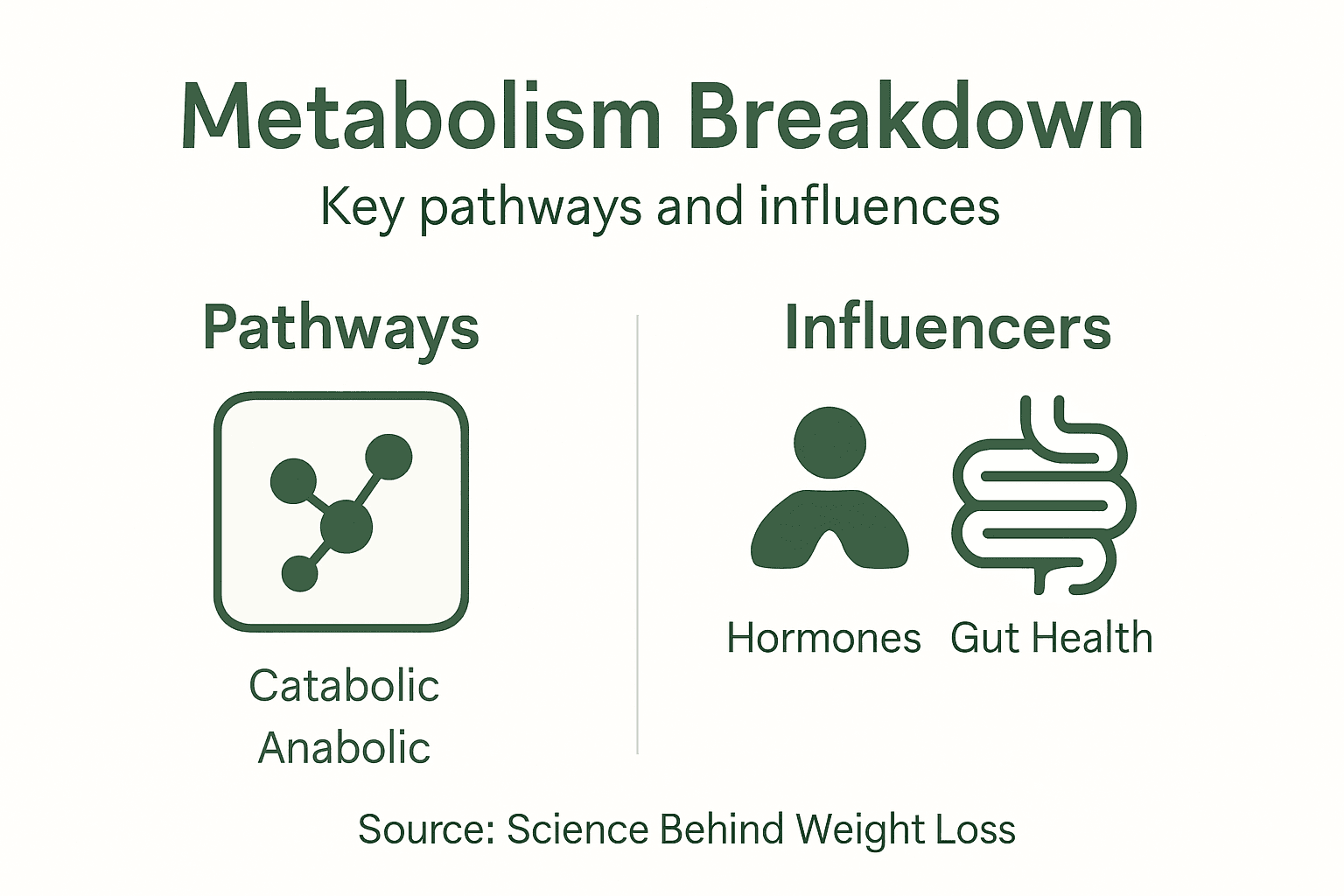
Hormones, Gut Health, and Metabolic Rate
The intricate relationship between hormones, gut health, and metabolic rate reveals a complex biological ecosystem far beyond simple calorie calculations. Gut microbiome profoundly influences metabolic processes by regulating critical hormonal interactions that impact energy metabolism, appetite, and overall health.
Key Hormonal Regulators of Metabolism:
-
Insulin:
- Controls blood glucose levels
- Manages energy storage and utilization
- Influences fat accumulation
-
Leptin:
- Regulates hunger signals
- Manages energy expenditure
- Communicates metabolic status to brain
Gut bacteria play a surprising role in metabolic regulation by producing metabolites that trigger hormonal responses. These microscopic organisms communicate with enteroendocrine cells, prompting the release of crucial hormones like glucagon-like peptide-1 (GLP-1) and peptide YY (PYY), which directly impact insulin sensitivity, appetite control, and fat storage mechanisms.
Factors Affecting Hormonal Metabolic Balance:
- Microbiome diversity
- Nutritional intake
- Stress levels
- Sleep quality
- Physical activity
- Genetic predisposition
Pro tip: Incorporate probiotic-rich foods and manage stress to support a healthy gut microbiome and optimize metabolic hormone function.

Lifestyle Factors That Influence Metabolism
Metabolism is not a fixed biological process, but a dynamic system continuously shaped by daily lifestyle choices. Multiple lifestyle factors critically impact metabolic health and determine how efficiently the body converts food into energy and manages weight.
Primary Lifestyle Metabolism Influencers:
-
Physical Activity:
- Increases muscle mass
- Boosts basal metabolic rate
- Enhances insulin sensitivity
-
Nutrition:
- Quality of food matters more than quantity
- Protein-rich diets support metabolic function
- Whole foods promote better energy metabolism
Chronic stress and inadequate sleep emerge as significant metabolic disruptors. When stress hormones like cortisol remain consistently elevated, they can trigger increased appetite, promote fat storage, and dramatically slow metabolic processes. Sleep deprivation further compounds these challenges by disrupting hormone production and metabolic regulatory mechanisms.
Metabolic Health Risk Factors:
- Sedentary lifestyle
- Processed food consumption
- Chronic stress
- Insufficient sleep
- Lack of muscle-building activities
- Consistent poor dietary choices
Pro tip: Prioritize consistent exercise, quality sleep, and stress management to create a holistic approach to metabolic health optimization.
Below is a summary of how different lifestyle factors influence metabolic health:
| Lifestyle Factor | Positive Impact | Negative Consequence |
|---|---|---|
| Physical Activity | Boosts metabolic rate | Lowers metabolism if absent |
| Nutrition | Supports energy production | Leads to imbalances if poor |
| Stress Level | Encourages hormone balance | Triggers fat storage |
| Sleep Quality | Maintains hormone stability | Disrupts metabolic processes |
Debunking Diet Myths and Ineffective Approaches
Diet culture has perpetuated numerous misconceptions about weight loss and metabolic health that can derail genuine progress and understanding. Dietary guidelines are grounded in extensive scientific research, challenging popular myths that oversimplify complex metabolic processes.
Common Diet Myths Exposed:
-
Carbohydrate Misconception:
- Not all carbs cause weight gain
- Quality matters more than elimination
- Complex carbohydrates support metabolic health
-
Fat Loss Fallacies:
- Low-fat labeled foods aren’t automatically healthy
- Calorie balance trumps restrictive approaches
- Sustainable weight management requires balanced nutrition
Many popular diets rely on extreme restrictions or pseudoscientific claims that ignore fundamental metabolic principles. Skipping meals, completely cutting out food groups, or following trendy quick-fix solutions often backfire, leading to metabolic adaptations that can slow down weight loss and create long-term health challenges.
Ineffective Dieting Approaches to Avoid:
- Extremely low-calorie diets
- Complete carbohydrate elimination
- Meal replacement programs
- Fad diet trends
- Single-food consumption plans
- Unrealistic exercise regimens
Pro tip: Focus on balanced nutrition, consistent physical activity, and understanding your unique metabolic needs rather than chasing quick-fix diet trends.
Unlock Your Unique Metabolic Potential with Science-Backed Support
Understanding metabolism is the first step to overcoming the frustration of slow or inconsistent weight loss. This article highlights the complex interaction of hormones, gut health, and lifestyle that influence your metabolic rate. If you are tired of one-size-fits-all diets and common myths about metabolism, it is time to discover a personalized approach that respects the science behind your body’s unique processes. Learn how to harness concepts like basal metabolic rate, anabolic and catabolic pathways, and hormonal regulators to finally take control of your health.
Start your journey with Metabolism Guide, where evidence-based education meets tailored support. Our doctor-led program offers concise video lessons, expert insights on hormones and gut health, plus a supportive virtual community to empower you beyond calorie counting or fad diets. Don’t wait to embrace a sustainable and scientifically grounded method for lasting weight management. Explore how your metabolism really works and take the next step today at Metabolism Guide.
Frequently Asked Questions
What is metabolism and how does it work?
Metabolism is the complex network of chemical processes that convert food and drink into energy in the body. It involves catabolic pathways that break down complex molecules to release energy, and anabolic pathways that build complex molecules, both driven by enzymes.
How do hormones affect metabolism?
Hormones such as insulin and leptin play crucial roles in regulating metabolism by managing appetite, energy storage, and glucose levels. A healthy gut microbiome also influences these hormonal interactions, thereby impacting overall metabolic health.
What lifestyle factors can influence my metabolism?
Lifestyle factors that significantly affect metabolism include physical activity levels, nutritional choices, stress management, and sleep quality. Regular exercise and a balanced diet can enhance metabolic rate, while poor sleep and high stress can negatively impact it.
Are there any common misconceptions about metabolism and weight loss?
Yes, common misconceptions include the belief that metabolism is solely about weight loss, that it works the same for everyone, and that it is a fixed process. Metabolism varies greatly based on individual factors such as age, muscle mass, and hormonal balance.
