
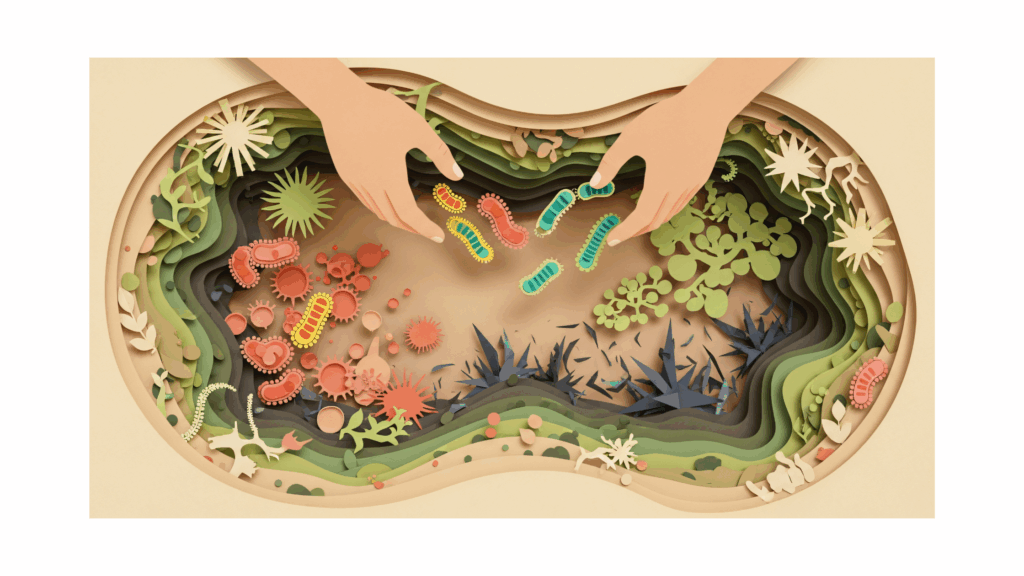
Most adults facing stubborn weight plateaus and digestive discomfort overlook a key fact: gut microbiome genes outnumber human genes by more than 100x. This microscopic network is far richer and more complex than the simple good or bad bacteria story. Understanding the real science behind your gut environment can be the key to breaking cycles of metabolic dysfunction and finding the right, personalised path toward lasting health.
Table of Contents
- Defining the Gut Microbiome and Common Myths
- Microbial Diversity and Types Influencing Metabolism
- How the Gut Microbiome Regulates Energy Balance
- Links Between Gut Dysbiosis and Obesity
- Therapeutic Approaches Targeting Gut Microbiome
- Diet, Probiotics, and Long-Term Gut Health
Key Takeaways
| Point | Details |
|---|---|
| Gut Microbiome Complexity | The gut microbiome is a diverse ecosystem of microorganisms significantly influencing overall health and metabolic processes. Each person’s microbiome is unique, shaped by genetics, diet, and lifestyle. |
| Variable Microbial Populations | Contrary to popular belief, gut bacteria compositions are not fixed; they vary and respond to environmental changes, necessitating personalised approaches to interventions. |
| Impact on Energy Regulation | The gut microbiome modulates energy metabolism through fermentation and by producing short-chain fatty acids, which are critical for maintaining energy balance and metabolic health. |
| Therapeutic Interventions | Personalised microbiome restoration strategies, including probiotics, prebiotics, and dietary modifications, offer promising avenues for addressing metabolic disorders and improving gut health. |
Defining the Gut Microbiome and Common Myths
The human gut microbiome represents a complex ecosystem of trillions of microorganisms living within our gastrointestinal tract, comprising not just bacteria, but also archaea, fungi, and protozoa. This microscopic community is far more than a passive resident in our bodies—it’s an active participant in our metabolic processes, dynamically influencing host health.
Contrary to popular belief, the gut microbiome is not simply a collection of ‘good’ or ‘bad’ bacteria, but a nuanced and highly individualised network. Each person’s microbiome is as unique as a fingerprint, shaped by factors including genetics, diet, lifestyle, and environmental exposures. Scientific research has revealed that this microbial community contains genetic material that vastly exceeds our human genome, suggesting its profound complexity and potential impact on our overall health.
Several persistent myths continue to circulate about the gut microbiome. One widespread misconception is the outdated notion of a fixed bacterial composition, when in reality, microbiome populations are highly variable and responsive to environmental changes. Another common fallacy is believing that probiotics represent a universal solution—in truth, microbiome interventions require personalised, evidence-based approaches tailored to individual metabolic profiles.
Pro tip: Track your diet and observe how different foods impact your digestive comfort to gain insights into your unique microbiome dynamics.
Microbial Diversity and Types Influencing Metabolism
The gut microbiome represents a remarkable ecosystem of diverse microbial populations that play a critical role in metabolic regulation. Multi-omics approaches reveal intricate metabolic interactions between these microorganisms and human physiological systems, demonstrating how different bacterial strains contribute to complex metabolic processes.
Functional diversity within the microbiome encompasses various bacterial groups with distinct metabolic capabilities. Some microbes specialise in breaking down complex carbohydrates, while others produce short-chain fatty acids, neurotransmitters, and metabolic signalling molecules. These microorganisms are not merely passive inhabitants but active participants in energy metabolism, nutrient absorption, and immune system modulation.
Scientific research highlights that microbial functional diversity correlates with metabolic energy yield, indicating that a more diverse microbiome can potentially enhance metabolic efficiency. Key bacterial phyla like Firmicutes and Bacteroidetes play particularly significant roles in metabolic regulation, with their relative proportions influencing processes such as fat storage, insulin sensitivity, and overall metabolic homeostasis.
Pro tip: Consider incorporating fermented foods into your diet to support microbial diversity and promote metabolic resilience.
Here’s a summary of key microbial groups and their metabolic functions in the gut ecosystem:
| Microbial Group | Main Function | Impact on Metabolism | Example Metabolic Product |
|---|---|---|---|
| Firmicutes | Fermentation, SCFA production | Influences fat storage | Butyrate, propionate |
| Bacteroidetes | Carbohydrate breakdown | Supports nutrient absorption | Acetate, propionate |
| Actinobacteria | Vitamin synthesis | Contributes to immune modulation | B vitamins |
| Proteobacteria | Degrades proteins | Associated with inflammation | Amines, endotoxins |
How the Gut Microbiome Regulates Energy Balance
The gut microbiome plays a pivotal role in energy metabolism through complex mechanisms that extend far beyond simple nutrient processing. Modulating metabolizable energy occurs through microbial fermentation in the colon, where bacterial populations transform undigested dietary components into metabolically active compounds that directly influence energy balance.
Dietary composition significantly impacts how gut microbes harvest and redistribute energy within the human body. Different bacterial strains specialise in breaking down specific substrates, producing short-chain fatty acids that serve as critical energy sources for intestinal cells and metabolic signalling molecules. These microbial metabolites can influence insulin sensitivity, fat storage, and overall energy utilisation, creating a sophisticated network of metabolic interactions that extend well beyond simple nutrient absorption.
Precision nutrition research reveals that gut microbiota metabolises undigested dietary substrates, fundamentally altering how the body processes and stores energy. Some bacterial populations can increase energy extraction from food, while others may help regulate metabolic efficiency, suggesting that microbiome composition could be a key factor in understanding individual variations in weight management and metabolic health.
Pro tip: Track your food intake and digestive responses to identify how different dietary choices impact your gut microbiome’s energy regulation mechanisms.
Links Between Gut Dysbiosis and Obesity
Gut microbiome alterations play a crucial role in obesity development, revealing a complex interplay between microbial composition and metabolic dysfunction. Dysbiosis fundamentally changes how the body processes energy, creating an environment that promotes weight gain and metabolic complications. These microbial shifts are not merely coincidental but represent active mechanisms that can significantly influence body weight regulation.
The intricate relationship between gut bacteria and metabolic health involves multiple pathways. Reduced microbial diversity leads to enhanced energy extraction from food, altered hormone signalling, and increased systemic inflammation. Specific bacterial populations influence key metabolic processes by producing short-chain fatty acids, modifying bile acid metabolism, and interacting with insulin sensitivity mechanisms that directly impact fat storage and energy utilisation.
Obesity demonstrates characteristic microbiome composition changes, including significant phylum-level shifts that disrupt normal metabolic regulation. These changes can create a self-perpetuating cycle where microbiome imbalances contribute to weight gain, which further alters microbial populations, making weight management increasingly challenging for individuals struggling with obesity.
Pro tip: Incorporate diverse, fibre-rich foods to support beneficial bacterial populations and promote a healthier gut microbiome ecosystem.
Therapeutic Approaches Targeting Gut Microbiome
Therapeutic strategies for modulating gut microbiome have emerged as a promising approach to addressing metabolic syndrome and associated health complications. These interventions range from targeted dietary modifications to advanced microbiological treatments, offering a nuanced approach to restoring microbial balance and metabolic health.
Traditional and emerging therapeutic approaches include probiotics, prebiotics, synbiotics, and more sophisticated interventions like bacterial consortia and phage therapy. Each strategy aims to enhance beneficial bacterial populations, reduce inflammation, and improve metabolic parameters such as insulin sensitivity. Personalised treatments are becoming increasingly important, recognising that individual microbiome compositions require tailored therapeutic interventions.
Innovative pharmacological approaches now explore advanced techniques like fecal microbiota transplantation, which directly introduces healthy microbial populations to restore gut ecosystem balance. These methods go beyond simple supplementation, targeting complex metabolic signalling pathways and addressing underlying causes of microbial dysbiosis that contribute to metabolic disorders.
Pro tip: Consult healthcare professionals to develop a personalised microbiome restoration strategy tailored to your specific metabolic health needs.
Diet, Probiotics, and Long-Term Gut Health
Probiotics and dietary bioactives play critical roles in maintaining gut microbiome health, offering a sophisticated approach to metabolic wellness. These nutritional interventions work by modulating microbial composition, reducing systemic inflammation, and supporting metabolic function through complex biological interactions that extend far beyond simple supplementation.
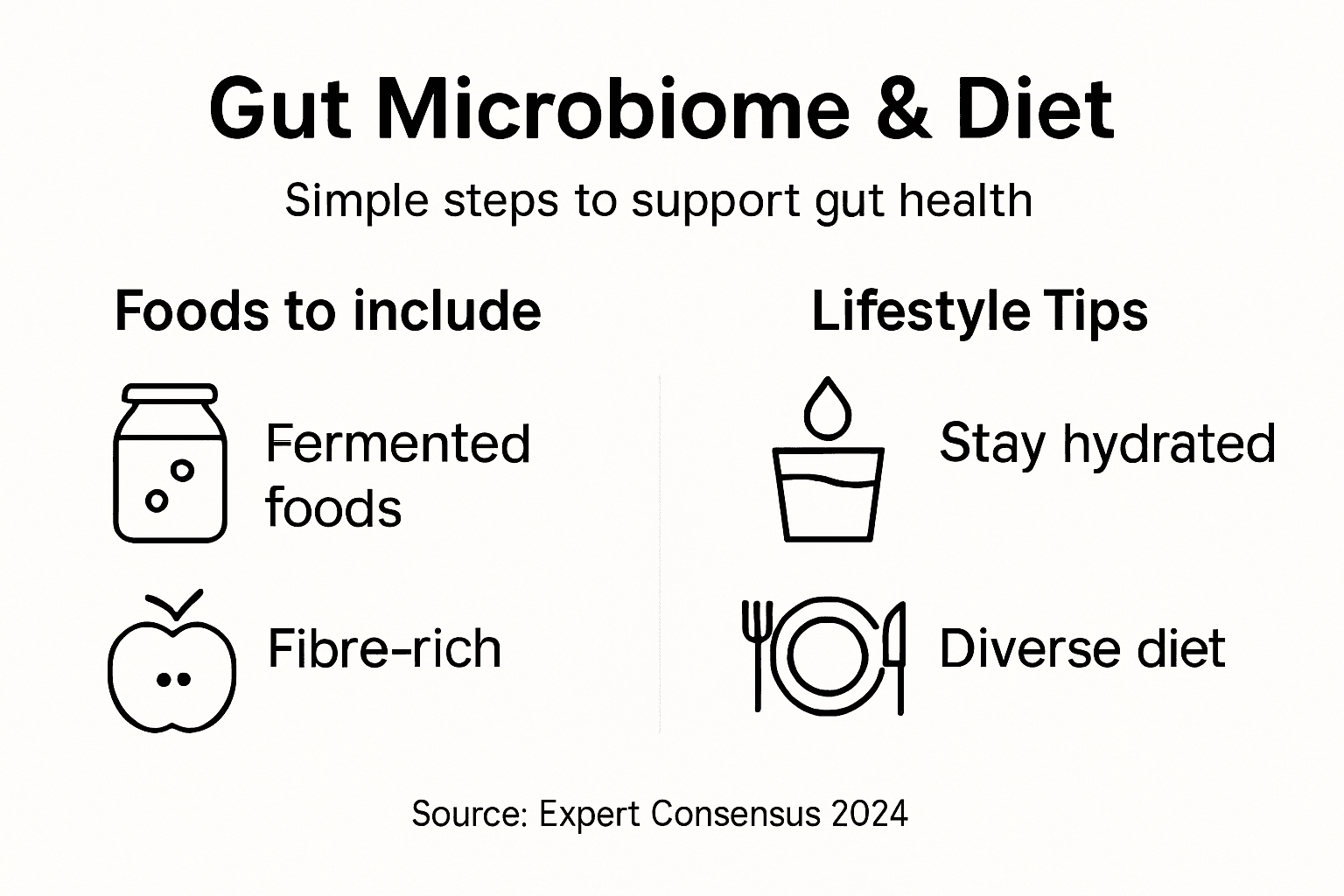
The spectrum of biotics includes probiotics, prebiotics, synbiotics, and postbiotics, each contributing uniquely to gut ecosystem balance. Probiotics introduce beneficial bacterial strains, prebiotics provide nourishment for these microorganisms, synbiotics combine both approaches, and postbiotics deliver metabolic by-products that support intestinal health. Comprehensive biotics strategies target multiple physiological mechanisms, including stimulating beneficial bacteria growth, producing short-chain fatty acids, and regulating immune responses.
Individual responses to dietary interventions vary significantly, highlighting the importance of personalised nutrition strategies. While general guidelines exist, the most effective approach involves understanding one’s unique microbiome composition and tailoring interventions accordingly. This nuanced perspective recognises that gut health is a dynamic, personalised journey requiring continuous adaptation and informed nutritional choices.
Pro tip: Gradually introduce diverse, fermented foods and monitor your body’s response to build a resilient gut microbiome ecosystem.
The table below compares common biotic interventions for gut health:
| Intervention Type | How It Works | Intended Benefit | Typical Sources |
|---|---|---|---|
| Probiotics | Introduces live beneficial bacteria | Restores microbial balance | Yogurt, kefir, supplements |
| Prebiotics | Fuels existing gut microbes | Stimulates beneficial bacteria | Chicory root, garlic |
| Synbiotics | Combines probiotics & prebiotics | Enhances microbial synergy | Fortified foods, blends |
| Postbiotics | Delivers bacterial by-products | Supports intestinal health | Fermented foods |
Reclaim Your Metabolic Health by Understanding Your Gut Microbiome
If you have struggled with weight loss plateaus or unexpected metabolic challenges despite following conventional advice, the root cause may lie deep within your gut microbiome. This article uncovers how microbial diversity and gut dysbiosis directly influence energy balance and fat storage, which explains why simply cutting calories is often not enough. Understanding these complex relationships is the first step to regaining control over your metabolism and long-term health.
Explore our collection of Gut Health Articles for evidence-based insights into how gut microbes affect metabolic function. Then discover how Preventiv’s expert-led MetabolismGuide programme can help you overcome metabolic dysfunction by addressing underlying gut health issues. Do not wait to take control of your wellbeing. Visit Preventiv today and start your personalised journey towards sustainable weight loss and improved metabolic balance.
Frequently Asked Questions
What is the gut microbiome and its role in metabolic health?
The gut microbiome is a complex ecosystem of trillions of microorganisms in the gastrointestinal tract that actively influences metabolic processes, including energy metabolism, nutrient absorption, and immune system modulation.
How does diet affect the gut microbiome’s influence on metabolism?
Diet plays a crucial role in shaping the gut microbiome composition, affecting how microbes harvest energy from food and influence metabolic efficiency. Consuming a diverse, fibre-rich diet can support beneficial bacterial populations and enhance metabolic health.
Can probiotics improve gut health and metabolic function?
Probiotics can introduce beneficial bacterial strains to the gut, which may help restore microbial balance, reduce inflammation, and improve metabolic parameters. Their effectiveness, however, can vary based on individual microbiome compositions.
What are common strategies for maintaining a healthy gut microbiome?
Maintaining a healthy gut microbiome involves incorporating a variety of fermented foods, prebiotics, and other dietary bioactives, tracking food intake, and making personalised nutritional choices based on individual digestive responses.

Great Article!